AI Customer Service Chatbots Across Industries Explained

Different industries look nothing alike on the surface. A retail website handles shoppers. A SaaS product supports active users. A hospital manages patient calls. A bank answers account questions. Yet the pressure inside these teams feels the same.
Questions repeat. Teams respond again and again. Speed helps, but it does not fix the root issue. As companies grow, consistency and availability start to matter even more than response time.
This is where an AI customer service chatbot fits naturally. It works as a shared answer layer that stays available and steady, even as demand increases. Instead of each team answering the same questions in different ways, one system delivers approved responses every time.
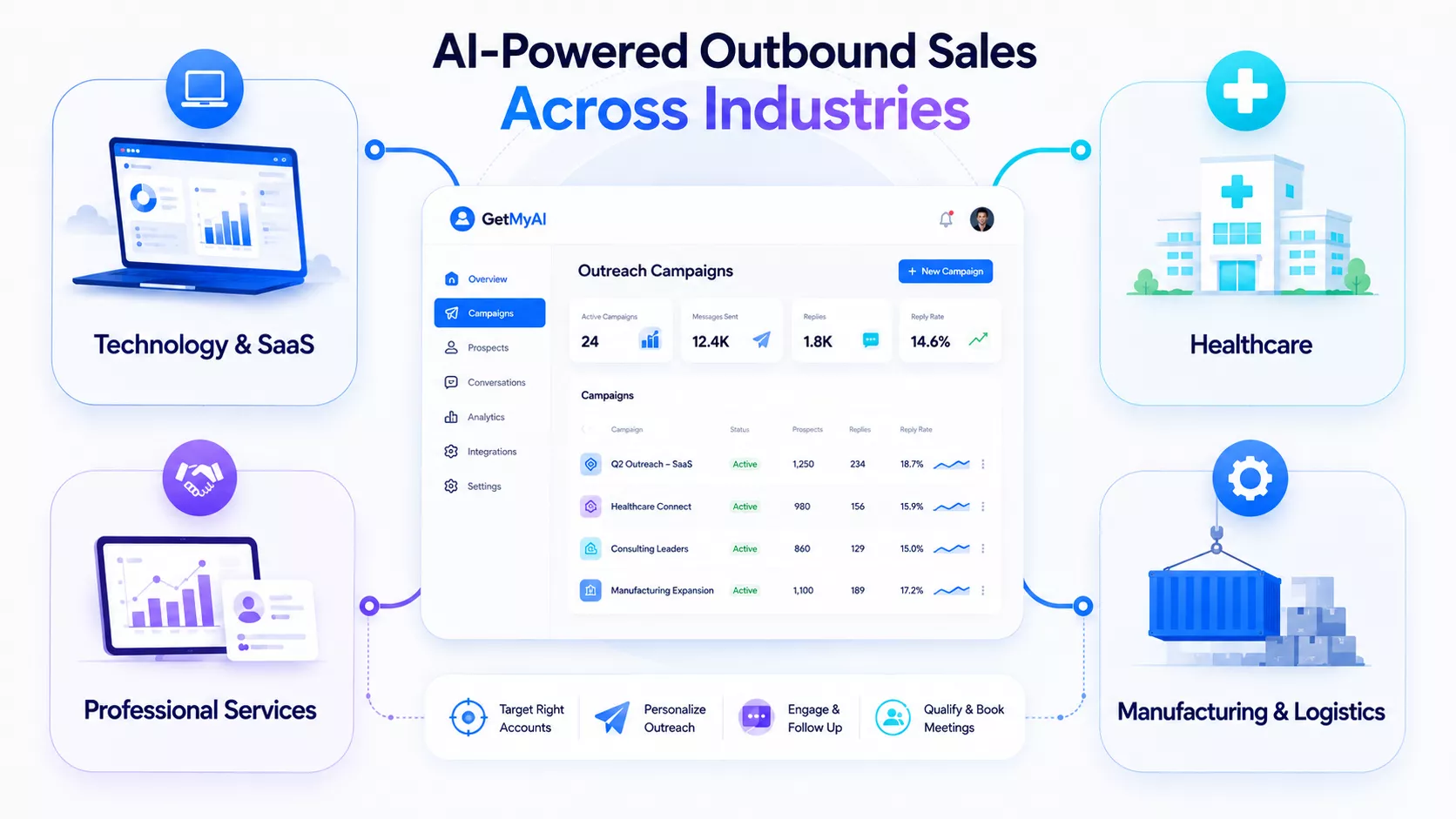
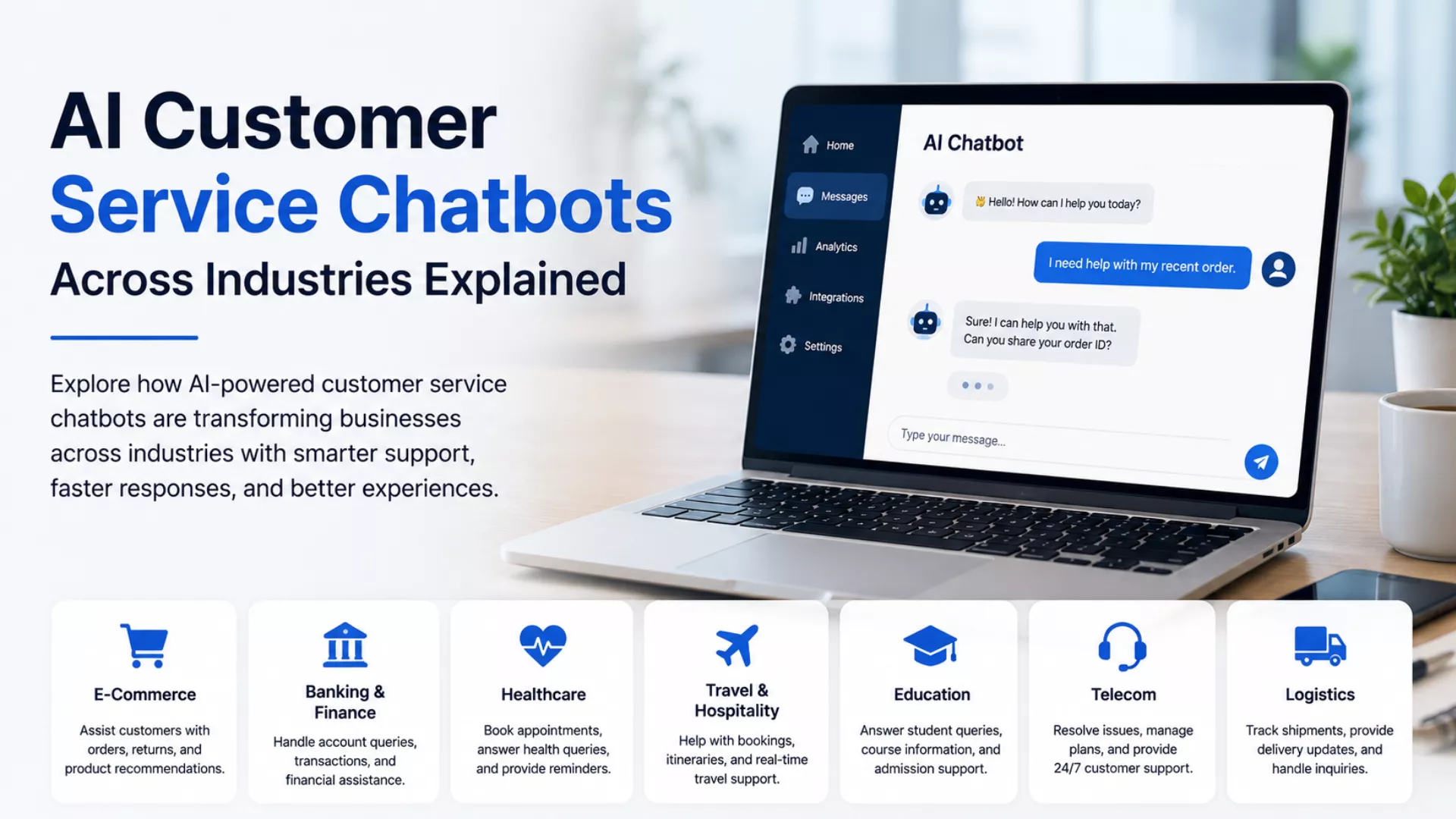
The same AI chatbot model now supports websites, SaaS platforms, healthcare enquiries, and banking customer service without changing how teams work.
What Businesses Expect from an AI Chatbot
An AI customer service chatbot is not meant to replace people. It exists to support them by handling repeated questions with consistency.
Most teams expect four things from this kind of system:
- A single set of approved answers that all teams rely on
- Support that stays available without increasing team size
- The same responses are shown across pages, tools, and channels
- Help for teams that do not disrupt daily tasks
When these expectations are met, the chatbot becomes part of operations. It absorbs routine questions so people can focus on cases that need judgment or context.
This foundation allows the same chatbot to work across industries without redesigning workflows each time.
Customer Service AI Chatbot Solutions for Websites
On websites, customer questions appear first. Visitors arrive curious, unsure, or comparing choices. They want quick answers without moving across pages.
A customer service AI chatbot solution for websites shows FAQs, product details, and general information so visitors get help when needed.
Common website use cases include:
Pre-sales clarity
Visitors ask about pricing, features, or policies before deciding. The chatbot answers quickly without pushing them toward a ticket.
Support FAQs
Return policies, account steps, and common issues are handled without pulling agents into repeat tasks.
Simple guidance
People get pointed in the right direction instead of bouncing between pages.
This improves the experience while keeping support volume steady.
Real-Time SaaS User Query Handling with AI
SaaS users ask questions while using the product. They do not want to stop, search documentation, and come back later.
Real-time SaaS user query handling AI delivers answers inside the product, at the moment the question appears.
This works well for:
- Feature explanations during use
- Set up and onboarding questions
- Usage reminders and limits
Documentation still matters. The difference is how it is accessed. The chatbot pulls from approved content and responds in context.
Product teams avoid constant interruptions, and users keep moving forward without friction.
Using an AI Chatbot for Patient Enquiries
Healthcare teams face steady volumes of repetitive questions. Patients ask about appointments, preparation steps, and service availability.
An AI chatbot for patient enquiries provides consistent, approved information without replacing staff.
Typical use cases include:
- Appointment scheduling information
- Clinic hours and service details
- Preparation instructions and policies
The chatbot supports front desks and care teams by handling routine enquiries. Staff time stays focused on care, not repeated explanations.
All responses stay informational and safe, using content the organization already approves.
AI Chatbots for Banking Customer Service
Banking customers want simple, reliable answers. When responses change, even a little, it can create worry.
An AI chatbot for banking customer service helps by giving consistent replies that customers know they can depend on.
Common areas where this helps include:
- General account questions
- Service explanations
- Branch details and support guidance
The chatbot follows clear limits, using approved wording and trusted information. This helps people rely on answers because they stay consistent and familiar.
Teams stay aligned because everyone points to the same answers.
Why One AI Customer Service Chatbot Works Across Industries
Different industries operate under different rules. The pattern underneath is the same.
Repetitive questions come from shared knowledge. When answers are inconsistent, questions repeat. When answers align, repetition fades.
One AI customer service chatbot can support multiple teams and channels because the requirement is shared. Consistency.
The chatbot becomes a shared interface to knowledge. It does not care whether the question comes from a shopper, a patient, a user, or a customer. It responds based on approved content every time.
That is why this model scales without complexity.
What to Look for in an AI Customer Service Chatbot Platform
Before deployment, leaders usually evaluate tools based on features. Long-term value comes from simpler checks.
Look for a platform that supports:
- Clear control over knowledge sources
- Easy updates without technical work
- Consistent answers across use cases
- Fit for customer-facing and internal teams
Platforms like GetMyAI are built for these needs. Teams manage answers from one Dashboard, so responses stay aligned as the business continues to grow.
This makes the chatbot useful today and steady over time.
AI as shared service infrastructure
AI customer service chatbots are no longer tied to one industry. The same system supports websites, SaaS products, healthcare teams, and banking services.
Long-term value comes from reuse and consistency. When answers stay aligned, teams feel calmer, and customers feel clearer.
The right platform turns scattered knowledge into shared infrastructure. GetMyAI helps businesses do this by supporting consistent answers across teams and channels, without changing how people work.
FAQs
1. What is a customer service AI chatbot for websites?
A customer service AI chatbot is an intelligent virtual assistant embedded on a website that answers customer questions, guides visitors, resolves common support requests, and captures leads in real time. Unlike rule-based chatbots, AI chatbots understand natural language and provide accurate, context-aware responses using your business content.
2. How does an AI customer service chatbot improve website support?
An AI chatbot provides instant responses 24/7, reducing customer wait times and handling repetitive questions automatically. It helps visitors find information quickly, assists with order or service inquiries, and allows support teams to focus on more complex customer issues.
3. What types of businesses can use a website AI chatbot?
AI customer service chatbots are suitable for businesses of all sizes, including eCommerce stores, SaaS companies, healthcare providers, educational institutions, financial services, travel agencies, real estate firms, and professional service businesses. Any organization that receives customer inquiries through its website can benefit from AI-powered support.
4. Can an AI chatbot reduce customer support costs?
Yes. AI chatbots automate repetitive customer interactions such as answering FAQs, tracking orders, booking appointments, and collecting customer information. This reduces support workload, improves agent productivity, and lowers operational costs while maintaining consistent customer service.
5. Can AI chatbots qualify leads as well as answer customer questions?
Yes. Modern AI chatbots can identify visitor intent, ask qualifying questions, collect contact information, recommend relevant products or services, and route high-intent prospects to the sales team while continuing to provide customer support.
6. Can a website AI chatbot integrate with existing business tools?
Most AI chatbot solutions integrate with CRM systems, help desks, knowledge bases, calendars, eCommerce platforms, and communication tools. These integrations allow businesses to automate workflows, synchronize customer data, and improve overall support efficiency.
7. Is an AI customer service chatbot available 24/7?
Yes. One of the biggest advantages of AI chatbots is their ability to provide round-the-clock customer support. They respond instantly to customer questions, even outside business hours, helping businesses improve response times and customer satisfaction.
8. How secure are AI chatbots for customer service?
Reliable AI chatbot platforms use encryption, secure authentication, role-based access controls, and compliance measures to protect customer data. Businesses should also ensure their chatbot provider follows applicable data privacy regulations and security best practices.
9. Can an AI chatbot replace human customer support agents?
No. AI chatbots are designed to handle routine questions, automate repetitive tasks, and provide instant assistance. Human agents remain essential for complex issues, sensitive conversations, and situations that require empathy, judgment, or specialized expertise.
10. What features should you look for in a customer service AI chatbot?
When choosing an AI chatbot for your website, look for features such as natural language understanding, knowledge base integration, multilingual support, lead qualification, live agent handoff, analytics, CRM integration, workflow automation, customization options, and enterprise-grade security. These capabilities help deliver faster, more accurate, and scalable customer support.