Benefits of AI in Customer Service for Faster, Smarter Support


Customer service is under pressure like never before. Not because teams are doing a bad job, but because expectations have changed faster than most systems can handle.
In 2026, customers will not just like fast responses. They expect them. And when they do not get them, they leave.
This shift is often called the speed imperative, and it is reshaping how businesses think about support, staffing, and technology.
According to a recent Zendesk CX Trends 2025 analysis, 59 per cent of customers expect a response within five seconds or less when using chat. Five seconds. That is less time than it takes most teams to open a ticket.
The cost of missing that window is high. 63 per cent of consumers say they are willing to switch to a competitor after just one bad experience, a number that has grown year over year.
At the same time, the volume of customer questions keeps rising. 87 per cent of support teams reported an increase in query volume over the last 12 months, driven by more digital touchpoints and always-on commerce.
This is where AI steps in. Not as an experiment. Not as a future idea. But as a core part of modern customer service.
Benefits of AI in Customer Service
For a long time, AI in customer service felt like a trial. Something teams tested on the side while the real work stayed manual.
That has changed.
Today, AI is becoming part of the foundation of how support works, much like email or live chat once did. The reason is simple. The benefits are clear, practical, and visible very quickly.
First, AI helps teams respond faster without adding pressure.
Instead of customers waiting in long queues, common questions are answered instantly. This reduces frustration, keeps conversations moving, and prevents small issues from turning into complaints. Speed is no longer a nice extra. It is expected.
This shift is already happening at scale.
AI is no longer being tested on the sidelines. Many businesses now use it as part of their daily support process to keep up with higher demand while still responding quickly.
As customer expectations rise and support volumes increase, AI is becoming a practical way to maintain speed, consistency, and availability without endlessly expanding teams. What was once optional is now becoming a standard part of how modern customer service operates.
Second, AI helps businesses scale without endlessly hiring.
As support volume grows, teams usually face a tough choice: hire more people or accept slower service. AI removes that trade-off. It handles repeat questions, simple requests, and routine workflows so human agents can focus on complex or sensitive issues.
That is why support leaders are paying attention. 79 per cent say investing in AI agents is essential to meeting business demands in 2025 and 2026.
The result is a healthier system. Customers get faster answers. Teams avoid burnout. Businesses grow without service quality falling behind.
This is why AI customer support chatbots are no longer optional tools. They are becoming a standard part of modern customer service operations.
AI Chatbots Reduce Operational Costs
One of the clearest benefits of AI in customer service is cost control.
Human support is expensive. And it keeps getting more expensive.
Today, a single human-handled support interaction costs between $6 and $12 on average, depending on region and complexity.
An AI-resolved interaction, by comparison, costs around $0.50, and in some simple cases, as low as $0.006.
That gap changes everything.
For early adopters, this shift is already paying off. AI-driven automation is reducing overall customer service operational costs by about 30 per cent, as deduced in Gartner Top Strategic Technology Trends 2026.
This is where the idea of the high-value human becomes important.
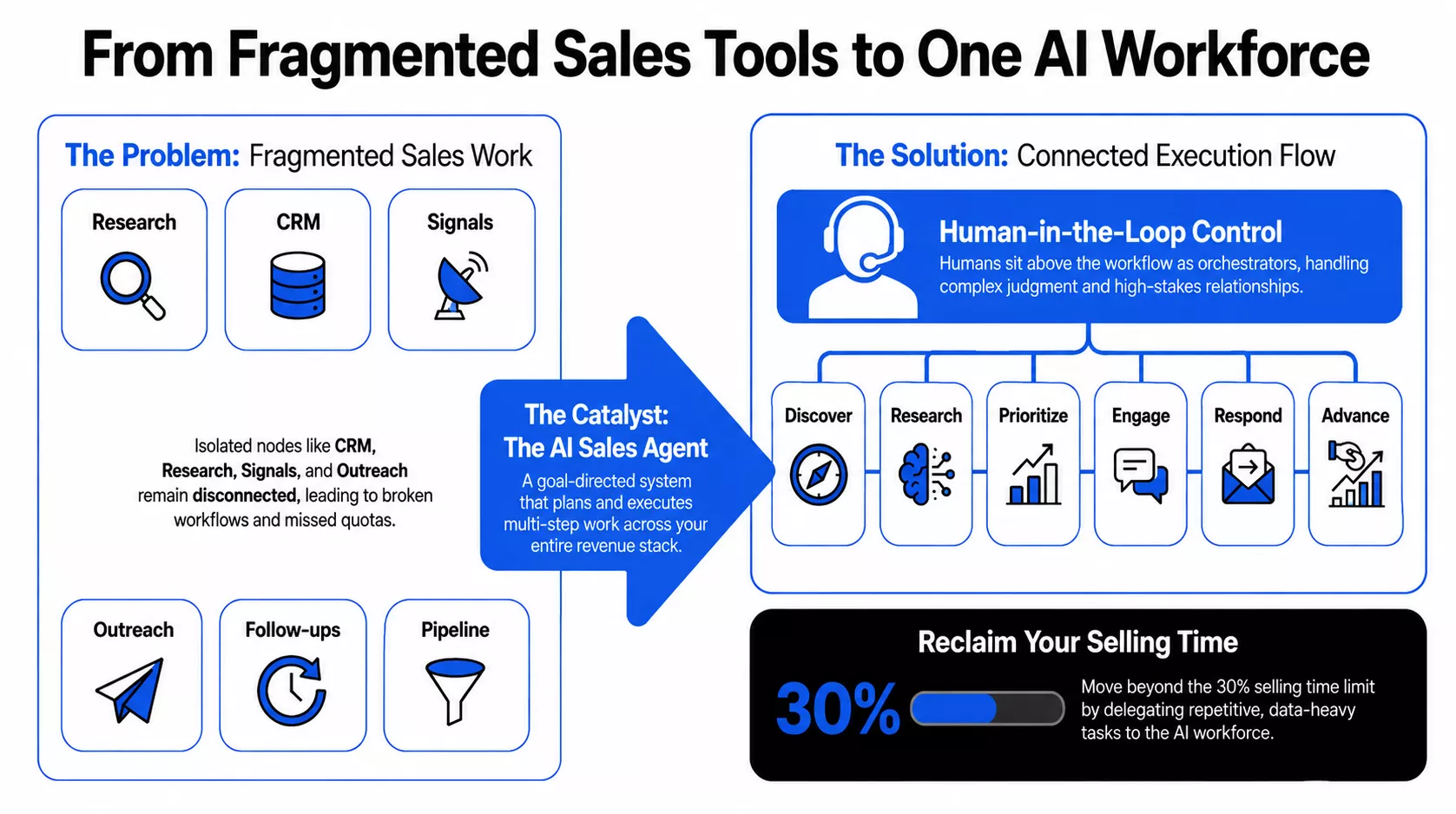
With tools like GetMyAI, low-value, repetitive tickets are handled instantly by an AI customer support chatbot. That means your skilled human agents are not spending their time copy-pasting FAQ answers. They are working on complex issues, sensitive cases, and real problem-solving.
AI does not replace people. It protects their time.
AI Customer Support Chatbots and 24/7 Availability
Business hours no longer mean much to customers.
People browse, shop, and ask questions at all times of day. Late at night, early in the morning, on weekends, and across different time zones. When a question comes up, they expect an answer right away, not later.
This is where an AI customer support chatbot makes a real difference.
Instead of forcing customers to wait until a team is online, chatbots provide instant responses whenever someone reaches out. Simple questions get answered immediately, and users are guided without delay. That speed removes frustration and keeps customers engaged.
Always-on support is not just about being helpful. This plays a big role in whether customers stay or move on. When help shows up exactly when they need it, people trust the business more and are likely to come back.
AI chatbots make it possible to offer support all day and night without wearing out the team or raising costs. They manage busy times and late hours, so help is always available.
In a world where customers never log off, support cannot either.
How Do AI Chatbots Improve Response Accuracy Over Time
One of the biggest worries people have about AI in customer service is accuracy.
Many are concerned about wrong answers or replies that sound sure but are not actually correct. These worries often come from older chatbots that depended on basic scripts or keyword matching.
Modern AI chatbots work very differently.
Instead of guessing, systems like GetMyAI generate responses by retrieving meaning from real content. Answers are grounded in the documents, Q&A, and approved knowledge that teams upload and maintain. This means the chatbot is not inventing information. It is responding based on what the business has explicitly provided.
Accuracy improves over time because the system is designed around clarity and upkeep. When documents are updated, outdated files are removed, and new Q&A is added, responses become more precise and more consistent. The chatbot reflects the current state of the business, not old assumptions.
Human agents benefit from this approach as well. They do not have to hunt through internal tools or documents to find answers. Everyone gets answers from one reliable place.
The key point is simple
AI chatbots improve accuracy when the content behind them is clear, current, and well-organized. They do not guess. They retrieve, respond, and stay aligned with the information they are given.
How Automated Communication Tools Improve Customer Satisfaction
There is a common myth that customers hate bots.
In reality, customers do not hate automation. They hate friction.
What frustrates people is waiting too long for a reply, having to repeat the same information, or getting passed from one place to another just to solve a simple issue.
When automated communication tools remove those problems, customer satisfaction improves.
AI-powered chatbots reply right away, remember past messages, and help users find the right answer faster. That quick and clear response matters more than who sends it.
This is reflected in customer behavior. Research from Zendesk CX Trends 2025 shows that a majority of customers prefer fast, self-service options for simple questions rather than waiting for a human agent. When the problem is resolved quickly, the experience is viewed as positive.
For routine issues, customers care about one thing above all else: getting the issue solved. When automated tools do that reliably, satisfaction rises naturally.
The takeaway is simple.
It is not bots that customers dislike. It is wasted time.
Where AI Chatbots Fit and Where Humans Still Matter
AI is excellent at transactions. Humans are essential for emotion.
The most successful teams understand this balance.
Employees feel the benefit too. In Salesforce State of Service 2025, 86 per cent of workers shared that AI has been a positive addition to their work, mainly because it cuts down on repetitive tasks that cause burnout.
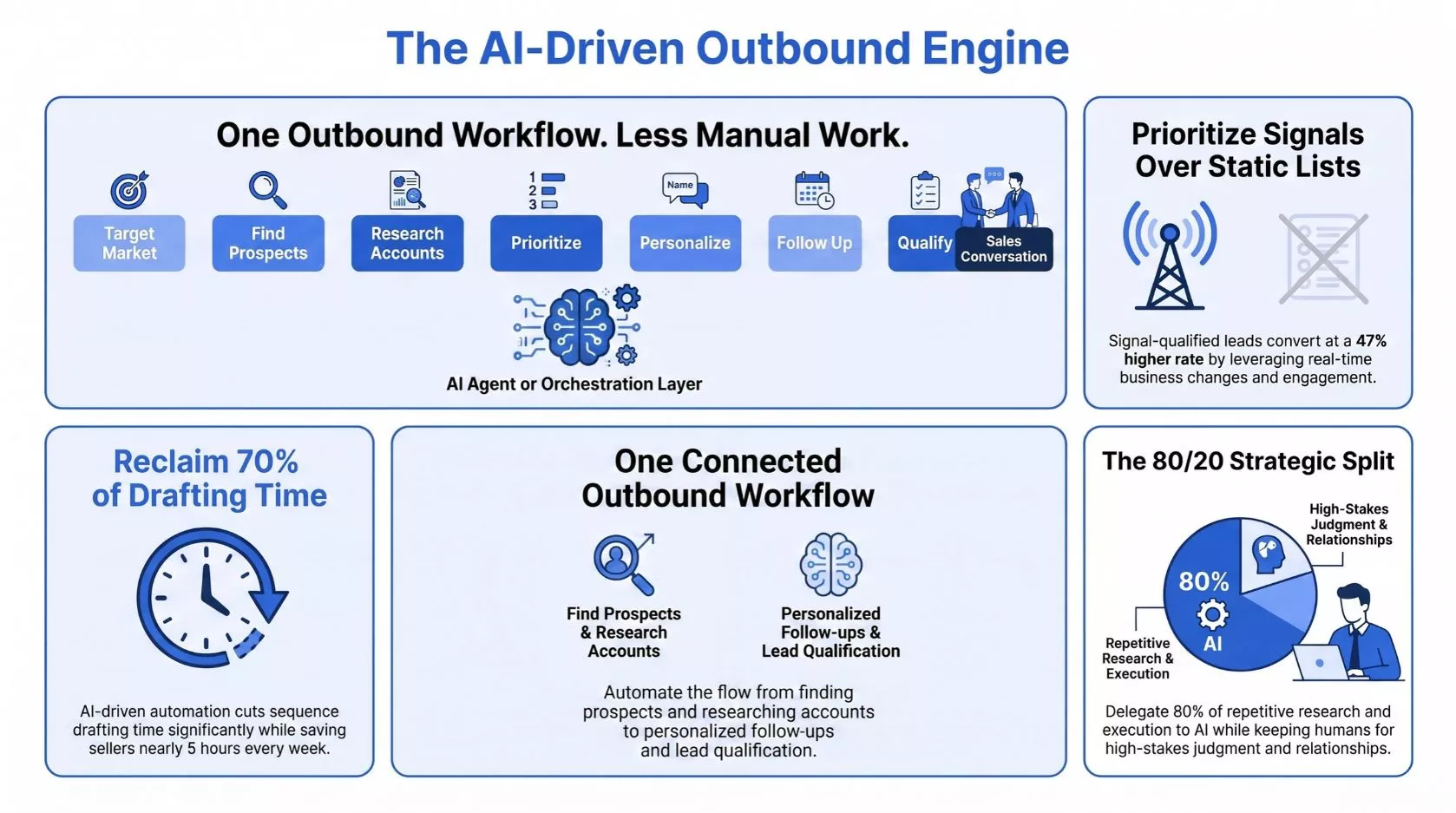
In this setup, AI handles speed and volume, such as answering common questions and managing routine requests. Human teams step in when a situation needs careful thinking, understanding, or a more thoughtful solution.
AI handles quick, repetitive tasks well, while people are better at solving harder problems and reading emotions. When both work together, support becomes smoother and more dependable.
Businesses no longer have to choose one or the other. By combining AI with human support, they see better outcomes for customers and less pressure on their teams.
AI keeps things moving. Humans step in when it counts.
Measuring Success: What Businesses Should Track
Modern customer service success is about outcomes, not just activity.
Key metrics to watch include:
- Deflection rate tells you how many tickets never reach a human, often landing between 20 and 40 per cent.
- Cost per resolution should fall from about $6 per ticket to under $1.
- Agent efficiency improves when teams handle around 13.8 per cent more tickets per hour.
- CSAT often rises by 12 to 27 per cent when AI is working well.
Together, these numbers show whether AI is truly making a difference.
Concluding
AI chatbots are no longer about novelty. They are about survival, scale, and service quality.
The benefits of AI in customer service are clear. Lower costs. Faster responses. Better accuracy. Happier customers. Healthier teams.
When implemented thoughtfully, with the right content and goals, AI becomes a quiet engine that keeps customer service moving forward.
And in a world where speed decides loyalty, that matters more than ever.
FAQs
1. What is an AI customer support chatbot?
An AI customer support chatbot is an intelligent virtual assistant that uses natural language processing (NLP) and machine learning to understand customer questions and provide accurate, automated responses. It can handle common support requests, guide users through processes, and escalate complex issues to human agents when needed.
2. How does an AI customer support chatbot improve customer service?
AI customer support chatbots improve customer service by providing instant responses, reducing wait times, resolving frequently asked questions, and offering 24/7 support. They also help support teams focus on more complex customer issues while maintaining consistent service across multiple channels.
3. What types of customer queries can an AI chatbot handle?
An AI customer support chatbot can automate a wide range of routine queries, including:
- Order status and tracking
- Refund and return requests
- Account and login issues
- Product or service information
- Billing and payment questions
- Appointment scheduling
- Frequently asked questions
- Basic troubleshooting
4. Can an AI customer support chatbot replace human support agents?
No. AI chatbots are designed to assist, not replace, human support teams. They automate repetitive tasks and answer common questions, while human agents handle complex, sensitive, or high-value customer interactions that require empathy and critical thinking.
5. Which businesses benefit the most from AI customer support chatbots?
Businesses across many industries can benefit, including:
- Ecommerce stores
- SaaS companies
- Healthcare providers
- Financial services
- Travel and hospitality
- Real estate agencies
- Educational institutions
- Telecommunications companies
Any business that manages a high volume of customer inquiries can improve efficiency with AI-powered support.
6. Can AI customer support chatbots integrate with existing business tools?
Yes. Most modern AI customer support chatbots can integrate with CRM systems, help desk software, knowledge bases, websites, live chat platforms, ticketing systems, and messaging channels. These integrations help deliver accurate responses and create a seamless customer support experience.
7. Are AI customer support chatbots available 24/7?
Yes. One of the biggest advantages of AI customer support chatbots is their ability to provide round-the-clock assistance. Customers can receive immediate answers at any time, improving satisfaction and reducing support delays outside business hours.
8. How secure are AI customer support chatbots?
AI customer support chatbots can be highly secure when implemented with encryption, role-based access controls, secure authentication, and compliance with relevant data privacy regulations. Businesses should also ensure their chatbot is trained only on verified knowledge sources and follows internal security policies.