What GDPR Means for Employees Using AI Chatbots at Work

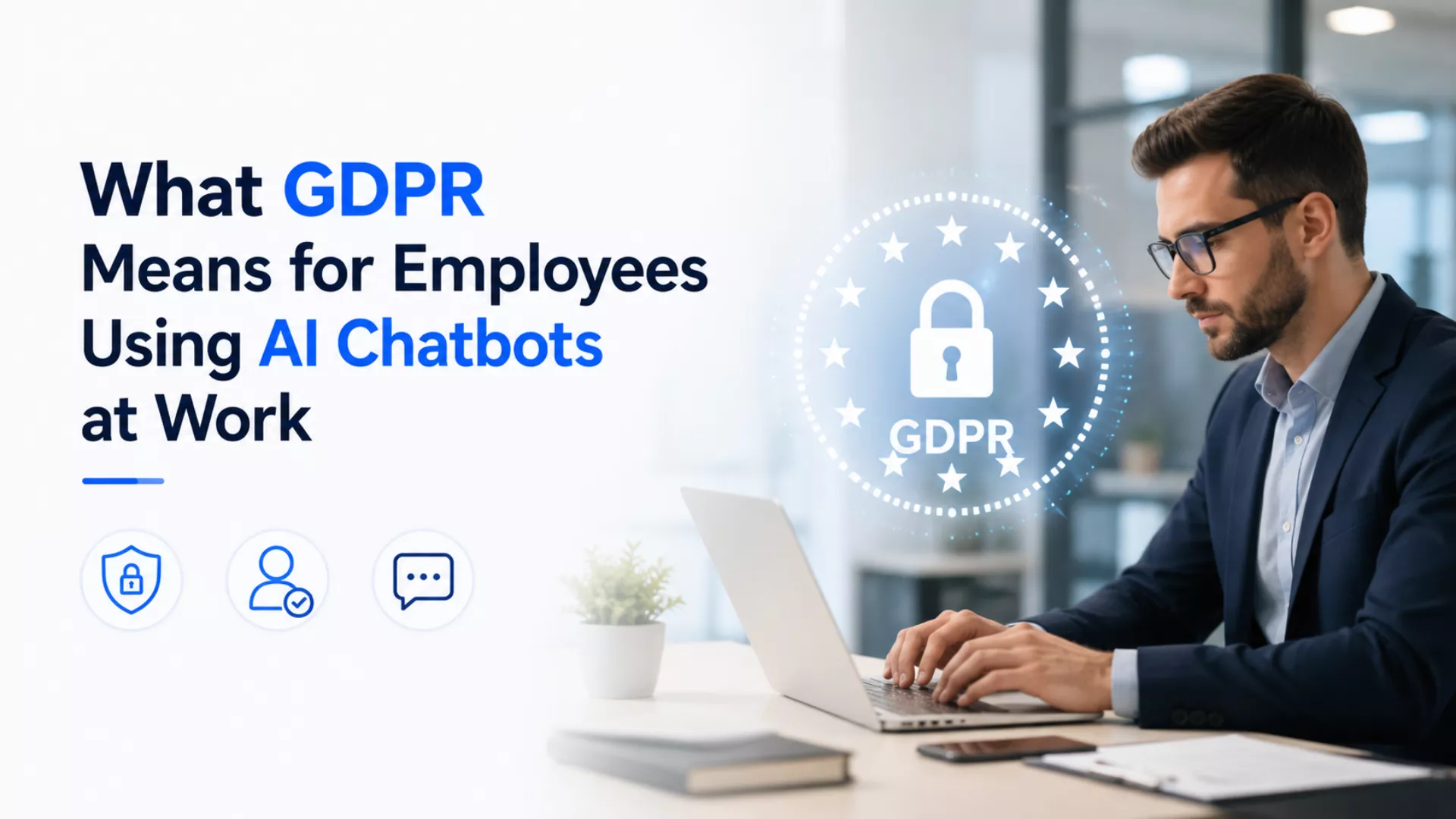
Many people think GDPR only matters when companies talk to customers. That idea misses something important. AI chatbots used inside a company also fall under GDPR rules. When employees talk to an internal chatbot, they often share real and personal details. These details can include names, job roles, system access issues, or even private concerns. That information does not stop being personal just because it stays inside the company network. This is where enterprise GDPR compliant chatbot use becomes a real workplace issue, not a legal footnote.
Internal AI chatbots are now part of daily work. Employees ask HR about leave. They ask IT for access help. Managers ask about policies or internal data. All these conversations can touch personal information. Under GDPR, employees are still protected as individuals. Their data rights do not pause during work hours. This connects directly to AI chatbot data privacy, which applies whether the user is a customer or a staff member.
Many businesses assume internal tools are safe by default. That assumption creates risk. GDPR applies to personal data, not to where the data is stored. Even when conversations never leave the company, the law still applies. That is why companies must think carefully about how internal chatbots are designed, monitored, and managed. Using a GDPR compliant chatbot for business internally is about responsibility, not fear.
This article focuses on internal trust. It explains why internal AI chatbot use still falls under GDPR, what kind of employee data is involved, and how access and visibility should be handled. It also looks at monitoring, common risks, and what a responsible setup looks like in real workplaces. The goal is simple. Help businesses and teams use internal chatbots in a way that respects people and builds confidence instead of doubt.
Why Internal AI Chatbots Still Fall Under GDPR
A common misunderstanding is that GDPR only applies to customer-facing tools. This is not true. GDPR protects people, not job titles. Employees are data subjects under the law. When they interact with internal AI chatbots, their personal data is still being processed. That is why AI chatbot GDPR compliance matters inside the workplace just as much as it does outside.
Internal conversations often feel informal. An employee may ask a chatbot about sick leave. Another may report a system problem linked to their user account. Someone else may ask about role changes or internal policies. These conversations can include identifiable details. Names, roles, locations, and access rights are all personal data under GDPR. The fact that the chatbot is internal does not change this reality.
Many teams believe that “company-only” tools are unregulated. This belief creates blind spots. GDPR does not care whether data is shared publicly or kept internal. It cares about how personal data is collected, used, stored, and accessed. Internal AI chatbots process data automatically, which places them clearly within GDPR scope. That is why an enterprise GDPR compliant chatbot is not optional for responsible organizations.
Another point often missed is intent. Even if the chatbot is meant to help with simple tasks, the outcome still matters. If an employee shares personal information, the system must handle it properly. This includes limiting access, defining purpose, and avoiding misuse. Using a GDPR compliant chatbot for business internally shows that the company respects its people, not just its legal duties.
In practice, this means treating internal chatbots with the same care as other systems that handle employee data. Policies, controls, and transparency should already be in place. GDPR is not blocking internal tools. It is guiding how they should be used in a fair and respectful way.
What Kind of Employee Data Chatbots May Process
Internal AI chatbots often handle more personal data than teams expect. The risk is not always obvious at first. Employees usually interact with chatbots in a casual way. They trust the system to help them quickly. That trust is exactly why AI chatbot data privacy must be taken seriously.
Here are common types of employee data that internal chatbots may process:
- Names, email addresses, and job roles are used to identify the user
- HR-related questions about leave, benefits, or work schedules
- IT support issues tied to system access or account problems
- Questions about internal policies that relate to personal situations
- Feedback, complaints, or concerns shared in confidence
Each of these examples involves personal data. Some cases become sensitive when their specific context determines which information should remain confidential. The GDPR evaluates data according to its content instead of judging its difficulty in answering questions. An employee asking about parental leave is still sharing personal details. A chatbot storing that conversation must handle it responsibly.
Another key point is intent. Employees do not usually think about data protection when asking for help. They assume the company has set things up correctly. This places responsibility on the business, not the user. Using a GDPR compliant chatbot for business internally means planning for real behavior, not ideal behavior.
This is where design choices matter. What data is logged? Who can view it? How long has it been kept? These decisions shape employee trust. When done well, chatbots feel helpful and safe. When done poorly, they feel intrusive. Understanding the types of data involved is the first step toward responsible use and long-term confidence in internal AI tools.
Access Control and Visibility Matter More Internally
Access control is often treated as a technical setting. In reality, it is about respect. Internal AI chatbots should not always be open to everyone. Not every employee needs access to every bot. Not every admin should see every conversation. This is where enterprise GDPR compliant chatbot practices make a real difference.
Internal chatbots often connect to internal knowledge. The content of this document may include policies and procedures together with details about operations. The system will expose sensitive information when users have unrestricted access. The system prevents users from sharing content by restricting their access rights. It also supports GDPR compliant chatbot for business principles by reducing unnecessary data exposure.
Visibility is just as important. Employees should know who can see their conversations. If managers or admins can review chats, that should be clear. Hidden visibility creates mistrust. Clear boundaries build confidence. This is not about restricting work. It is about setting fair limits.
When access is designed properly, internal chatbots feel safer to use. Employees are more likely to ask honest questions. Teams are more likely to rely on the tool. This supports adoption and reduces shadow systems. A well-scoped GDPR chatbot solution respects both operational needs and employee privacy.
In practice, access control should be reviewed regularly. Roles change. Teams grow. Chatbots evolve. What made sense six months ago may not make sense today. Treat access as a living decision, not a one-time setup. That approach turns internal AI from a risk into a trusted support system.
Using the Dashboard to Manage Internal Chatbots Safely
Dashboards are where policy becomes practice. A good dashboard helps teams manage internal AI chatbots with care. It allows clear separation between internal and external use. This separation is a key part of any GDPR compliant chatbot platform.
Internal chatbots should be isolated from customer-facing bots. Training data should be reviewed before uploading. Experimental bots should not be exposed to all employees. Credit limits and usage controls help prevent misuse. These steps protect both the business and its people.
Managing internal chatbots well also means clarity. Admins should know which bots exist, who owns them, and what data they use. The systems now work better because they provide clearer information, which helps users monitor their responsibilities. The structured method of work that GetMyAI provides to organizations continues to function because its design prevents any operational slowdowns.
A strong dashboard supports safe experimentation. Teams can test ideas without risking exposure. They can learn what works while keeping employee data protected. This is the practical side of a GDPR compliant chatbot platform in action.
When structure is in place, employees benefit. They get reliable tools that behave as expected. Leaders get visibility without overreach. IT teams get control without complexity. A thoughtful setup turns the dashboard into a quiet safeguard rather than a constant worry. This is how internal AI tools should feel.
Activity Review and Employee Trust
Activity logs exist for a reason. They help teams understand usage, improve performance, and detect issues. But internal chatbot monitoring must be handled with care. Trust depends on how data is reviewed, not just that it is collected. This is where enterprise GDPR compliant chatbot use becomes a cultural issue.
Employees should know that conversations may be logged. They should also know why. Monitoring should focus on system health, not personal behavior. Random or intrusive review damages confidence. Responsible review supports AI chatbot privacy compliance by aligning purpose with practice.
Clear policies help here. Define who can access logs. Define when review is appropriate. Avoid using chatbot data for unrelated performance evaluation. Transparency is essential. When employees understand boundaries, they are more comfortable using the tool.
Platforms like GetMyAI support responsible review by offering structured access and clear controls. The system protects businesses from unintentional errors through real-time usage data. Employees develop trust when organizations demonstrate consistent behavior between their established policies and their actual practices.
Internal chatbots work best when people feel safe asking questions. That safety comes from restraint as much as capability. Thoughtful monitoring shows respect. It tells employees that the tool is there to help, not to watch. This balance is at the heart of long-term adoption and AI chatbot privacy compliance in the workplace.
Common GDPR Risks in Internal AI Chatbot Use
Many GDPR issues with internal chatbots come from habits, not intent. Teams move fast. Tools feel informal. Risks slip in quietly. Recognizing these risks early helps avoid larger problems later. This is a key part of AI chatbot GDPR compliance.
Common risks include:
- Treating internal chatbots casually without clear rules
- Uploading sensitive documents without proper review
- Leaving internal bots public or open by default
- Monitoring conversations too closely or without transparency
- Failing to explain the chatbot’s purpose to employees
Each of these risks weakens trust. Employees may stop using the tool or avoid sharing useful details. HR and compliance teams often see the impact later, when confidence has already dropped. Using a GDPR compliant chatbot for business means addressing these risks upfront.
Internal AI tools should not rely on assumptions. Clear communication matters. So does training. Employees should know what the chatbot can and cannot do. Admins should know their limits as well. A thoughtful GDPR chatbot solution reduces risk by design, not by reaction.
When risks are managed early, internal chatbots become reliable helpers. They support work without creating anxiety. That outcome benefits everyone, from frontline staff to leadership.
What a GDPR-Ready Internal AI Chatbot Looks Like
A GDPR-ready internal chatbot is not complicated. It is clear, limited, and respectful. It has a defined purpose and stays within it. Access is controlled. Content is reviewed. Use is transparent. This is what an AI chatbot GDPR ready looks like in practice.
A strong setup includes limited visibility, updated training data, and clear ownership. Employees know what the chatbot is for. They know how their data is handled. This builds confidence and supports daily use. An enterprise GDPR compliant chatbot fits naturally into work instead of raising questions.
Platforms matter here. A reliable GDPR compliant chatbot platform gives teams the tools they need without extra complexity. It supports separation, control, and review. It also supports growth as needs change. GetMyAI helps teams build internal chatbots that respect boundaries while staying useful.
A GDPR compliant chatbot for business is not about legal language. It is about everyday behavior. When employees feel respected, they engage more openly. When leaders see responsible use, they support expansion. That balance turns internal AI into a long-term asset.
GDPR readiness is not a finish line. It is an ongoing practice. Review, adjust, and communicate. That approach keeps internal chatbots aligned with both the law and workplace trust.
Conclusion
Internal AI chatbots are now part of how work gets done. They answer questions, guide processes, and save time. But they also handle personal information. Under GDPR, employees remain protected, even inside company systems. That reality makes governance essential.
A responsible setup respects boundaries. It limits access, explains monitoring, and aligns use with purpose. An AI chatbot GDPR ready approach supports trust instead of eroding it. Businesses that treat internal chatbots seriously see better adoption and fewer concerns.
Choosing the right GDPR chatbot solution helps turn rules into practice. With clear controls and transparency, internal AI tools can support teams without crossing lines. GetMyAI shows how structure and respect can work together in real environments.
In the end, internal trust matters as much as customer trust. When companies protect employee data, they protect their culture. That is the real value of getting internal AI chatbots right.
FAQs
1. Does GDPR apply to internal AI chatbots?
Yes. Employees are data subjects under the law. An enterprise GDPR compliant chatbot must follow GDPR rules even when used only inside the company.
2. What makes internal chatbot use a GDPR issue?
Employees often share personal information. AI chatbot data privacy rules apply whenever personal details are processed, even within company systems.
3. What types of employee data can internal chatbots process?
Names, roles, HR questions, IT issues, and confidential feedback are common examples affecting AI chatbot data privacy.
4.Is asking about sick leave considered personal data?
Yes. Even routine HR questions involve personal information. AI chatbot GDPR compliance must account for these conversations.
5.Can casual chatbot conversations create legal risk?
Yes. Informal messages still count as data processing. AI chatbot privacy compliance depends on responsible system design.