Recruitment teams rarely lose qualified candidates because another employer offers a higher salary first. It is silence. Every hour a candidate waits for an answer makes another offer look more attractive. Today's job seekers expect the same fast, personalized…
Experience Boost
Create. Deploy. Engage. With GetMyAI
Launch GPT-powered conversations that engage, support, and convert — all in one platform.
How Real Estate Teams Can Use AI Agents in 2026 for More Sales
GetMyAI
Jan 14, 2026
AI chatbot for real estate lead generation
best AI chatbot for real estate
conversational AI for real estate
AI chatbot for real estate websites
Key Takeaways
Instant responses improve lead conversion and prevent drop-offs
Automated qualification filters serious buyers from casual inquiries
Conversational discovery replaces traditional browsing with guided recommendations
Consistent follow-ups and booking automation increase conversions and reduce no-shows
24/7 availability and scalability allow agents to handle more leads without expanding teams
Real estate has always moved on conversations. A buyer asks a question. An agent responds. That exchange determines whether interest turns into action or disappears.
AI agents in 2026 help real estate teams increase sales by capturing leads instantly, qualifying buyers automatically, and managing follow-ups without delay. These systems reduce response time, improve engagement, and allow agents to focus only on high-intent buyers, resulting in faster deal cycles and higher conversion rates.
Research backs this up. Harvard Business Review found that lead qualification odds drop by 400% when response time slips from five to ten minutes. Real estate decisions take time, but inquiries do not wait. Responding first often decides which team remains relevant while others are filtered out.
AI Chatbots for Real Estate: What They Actually Do
An AI chatbot for real estate lead generation is a trained system that manages early conversations using business data. It does not guess or search online. It replies using listings, documents, and information provided by the business.
The 3 core functions:
Instant response: Answers property-related questions the moment they are asked, regardless of time
Consistency: Provides accurate information based on approved listings, pricing, and documents
Qualification: Asks follow-up questions to understand budget, location, and buying intent
These functions set a clear first interaction where each inquiry follows the same flow. Instead of late responses or partial answers, buyers receive fast and simple information. This keeps conversations active, lowers drop-offs, and ensures agents get leads with context and intent.
How do AI Chatbots Engage Real Estate Leads Outside Business Hours?
Speed and interaction determine whether a lead progresses or drops off. In 2026, responding within minutes is not optional. It directly impacts revenue. Property searches rarely follow office hours. Studies show 40–50% of real estate inquiries arrive at night or on weekends. Instant replies reduce bounce rates by addressing questions the moment they arise.
Contextual responses keep users engaged by providing relevant information instead of generic answers. Conversational flows feel natural, allowing users to ask and explore instead of filling static forms.
Conversational AI for real estate shifts interaction from passive browsing to active dialogue. This results in higher engagement per visitor, more meaningful conversations, and less friction in early-stage decisions.
How AI Chatbots Transform Real Estate Lead Generation
AI fundamentally changes how leads are captured and processed. A chatbot for a real estate website to capture buyer leads ensures instant engagement, collects intent in real time, and replaces slow manual systems with faster, always-on conversations that prevent lead loss.
Instant Lead Capture
Response time decides if a lead stays or leaves. Website chatbots qualify visitors instantly, while WhatsApp chatbots reply 24/7. This makes sure every inquiry is captured when interest is high, not after a long delay.
Website chatbot qualifies visitors immediately
WhatsApp chatbot responds 24/7
Data captured:
Budget
Location
Timeline
Responding within 1–5 minutes can increase conversions up to 21%. First responders often win the majority of deals.
Automated Lead Qualification
Manual lead filtering slows teams down and introduces inconsistency. An AI chatbot for real estate lead qualification replaces this by asking structured follow-up questions and evaluating intent during the conversation.
The system asks dynamic follow-up questions and scores intent automatically
Segments lead into:
Hot
Warm
Cold
This allows agents to focus only on high-probability buyers, instead of spending time filtering low-intent inquiries.
Conversational Property Discovery
Search behavior has moved from browsing to asking. Users now share their needs directly, and AI gives relevant property suggestions instead of links. This makes an AI chatbot for real estate websites work like a discovery tool that helps users decide faster.
Users now ask:
“Find me a 3BHK under ₹80L near metro with good schools”
AI gives direct property recommendations instead of showing links. This turns a real estate website chatbot into a discovery tool that helps users find options quickly instead of just answering questions.
Impact:
Faster decisions
Higher engagement
Less dependence on manual browsing
Automated Follow-Ups
Most deals require several follow-ups, but manual systems fail to keep up. AI agents send timely messages, adjust based on user behavior, and re-engage inactive leads. This reduces missed chances and keeps conversations active. Nearly 80% of sales need follow-ups.
AI agents:
Send structured follow-ups (Day 1, Day 3, Day 7)
Adjust messaging based on behavior
Re-engage inactive leads
This ensures 100% follow-up consistency.
Appointment Booking Automation
An AI chatbot for booking meetings enables fast site visit scheduling without manual steps. It takes care of calendar syncing, confirmations, and reminders, helping reduce missed visits and improve both attendance and conversion outcomes.
A real estate chatbot for appointment scheduling enables:
Instant visit booking
Calendar coordination
Automated reminders
These systems reduce no-shows and increase completed site visits.
Key Use Cases of AI Chatbots for Real Estate Agents
AI-powered real estate assistants work across many tasks, not as separate tools but as connected systems that manage different stages of the buyer journey.
LEAD GENERATION
Captures contact details and qualifies buyers in real time by asking clear questions about budget, location, and timeline. This helps agents get leads with clear intent, reduces time spent on weak inquiries, and improves overall conversion results.
For example, when a user shows interest, the system gathers intent and passes only serious buyers to agents.
CUSTOMER SUPPORT
An AI chatbot for real estate customer service answers common questions like availability, pricing, and documents instantly. It gives clear and correct responses anytime, reducing delays and helping buyers get the information they need without waiting for agents.
For example, when a buyer asks about a listing at night, the system replies instantly and keeps the conversation going.
DISCOVERY AND CONVERSION
Suggests relevant properties based on user intent, enables real estate chatbot for appointment scheduling, and maintains engagement through automated follow-ups. This keeps users moving forward in their journey without friction, improving both engagement and conversion rates.
For example, after understanding preferences, the system recommends listings and allows users to book site visits directly within the conversation.
These use cases show how enterprise AI chatbot solutions for real estate operate as connected systems rather than isolated tools. They cover lead capture, support, discovery, and conversion in one flow, ensuring smooth interactions, better lead quality, and faster movement from the first inquiry to the final step.
Lead Qualification: How Chatbots Identify Serious Buyers
Traditional systems rely on forms, which capture data but fail to reflect real intent. Many inquiries remain unqualified, forcing agents to spend time filtering low-quality leads.
To take this work from static input to active conversation, an AI chatbot for real estate lead generation qualifies users. It asks intent-based questions, tracks engagement signals, and identifies readiness to buy through responses and interaction patterns.
Typical qualification includes questions like:
What is your budget range?
Which location are you interested in?
When are you planning to buy?
This produces structured, high-quality leads where each inquiry already carries context, making it easier for agents to prioritize serious buyers and move faster toward closing.
AI Chatbots vs Traditional Lead Generation Methods
Traditional lead generation depends on slow replies, manual filtering, and inconsistent follow-ups. AI chatbots bring real-time conversations that improve speed, consistency, and scale across every stage, from first inquiry to lead qualification and ongoing engagement.
Aspect
Traditional Method
AI Chatbot
Response Time
Hours
Instant
Lead Qualification
Manual
Automated
Follow-ups
Inconsistent
Structured
Availability
Limited
24/7
Scalability
Low
High
AI-driven customer engagement real estate systems outperform manual workflows in both speed and consistency.
Best Practices for Using AI Chatbots in Real Estate (2026)
Many teams assume AI will “figure things out.” In reality, response quality depends entirely on the accuracy and completeness of the data you provide.
Stop: Training chatbots on outdated listings or incomplete information.
Start: Using accurate, regularly updated data sources like listings, FAQs, and documents to ensure reliable responses.
Without clear direction, chatbot conversations remain reactive and shallow. Defining purpose ensures interactions are aligned with business outcomes like lead capture and qualification.
Stop: Treating chatbots as passive tools that only respond when asked.
Start: Defining clear goals for lead capture, qualification, and engagement, so conversations move users forward.
Poorly timed interactions feel intrusive or irrelevant. Engagement should reflect user intent and behavior, not random triggers that interrupt rather than assist.
Stop: Triggering chats randomly without context.
Start: Engaging users based on behavior such as time on page, repeated visits, or specific property views.
Deployment is not the finish line. Conversations reveal gaps that are not visible during setup, making regular review essential for long-term performance.
Stop: Ignoring conversations after deployment.
Start: Reviewing interactions regularly to identify gaps, missed questions, and drop-off points.
AI systems do not improve on their own without input. Continuous updates are required to keep responses relevant as listings, policies, and user behavior change.
Stop: Leaving the chatbot static after setup.
Start: Continuously improving responses through updates, refinements, and better training inputs over time.
Industry research from McKinsey suggests conversational AI can lift productivity by 30–50%. In real estate, that means fewer hours spent answering basic questions and more time focused on buyers who are ready to move forward.
Why Real Estate Agents Choose GetMyAI for AI-Driven Lead Generation
Most tools try to automate conversations. The real advantage comes from controlling what happens after the conversation starts.
When a buyer asks about a property, your chatbot responds instantly with accurate listing details
When a visitor shows interest, it captures the budget, location, and buying timeline
When a lead hesitates, it continues the conversation instead of letting it drop
This is where most real estate teams lose opportunities. Demand exists, but early conversations are slow, inconsistent, or incomplete. Build AI Chatbots with GetMyAI to fix that exact layer without changing how teams already operate.
What GetMyAI Actually Does
We provide a platform that allows real estate teams to build AI agents that handle the initial stage of every inquiry.
These agents respond right away, ask questions to qualify buyers, and gather important data such as budget, location, and timeline. This helps prevent lost leads caused by delays or missed follow-ups.
As a result, agents receive conversations that already have context and intent, instead of starting from zero.
Bottom Line
AI agents in 2026 are not optional tools. They are part of the sales infrastructure.
A real estate AI assistant for agents handles repetitive work, captures leads instantly, and ensures no opportunity is lost due to delay. Agents step into conversations that are already qualified and contextual.
The result is clear:
More leads captured
Higher conversion rates
Shorter sales cycles
Better use of human effort
Teams that adopt early gain an advantage in how they handle demand. AI agents are changing real estate by replacing slow, manual work with fast and scalable systems. Teams using conversational AI for real estate can capture more leads, qualify buyers faster, and improve conversions.
FAQs
1.How do AI chatbots generate real estate leads automatically?
AI chatbots generate leads by engaging visitors instantly, asking intent-based questions, and collecting contact details during conversation. This replaces static forms and ensures leads are captured with context, improving quality and increasing conversion chances.
2.Can AI chatbots replace real estate lead generation teams?
AI chatbots do not replace real estate teams. They handle repetitive tasks like answering queries and qualifying leads, allowing agents to focus on serious buyers, build relationships, and close deals more efficiently.
3.How much does a real estate chatbot cost?
The cost of a real estate chatbot depends on features, usage limits, and scale. Many platforms offer flexible pricing based on message volume, integrations, and number of agents, making it suitable for both small and large teams.
4.Which AI chatbot is best for capturing property leads?
We believe the best AI chatbot for real estate depends on how well it uses your data, qualifies leads through conversation, and integrates with your workflow. Ease of setup and ongoing improvement also play a key role.
5.Why are real estate agents using AI chatbots for lead generation?
We see real estate agents using AI chatbots to respond instantly, qualify leads automatically, and maintain consistent follow-ups. This helps teams handle more inquiries, reduce manual effort, and focus on high-intent buyers without increasing workload.
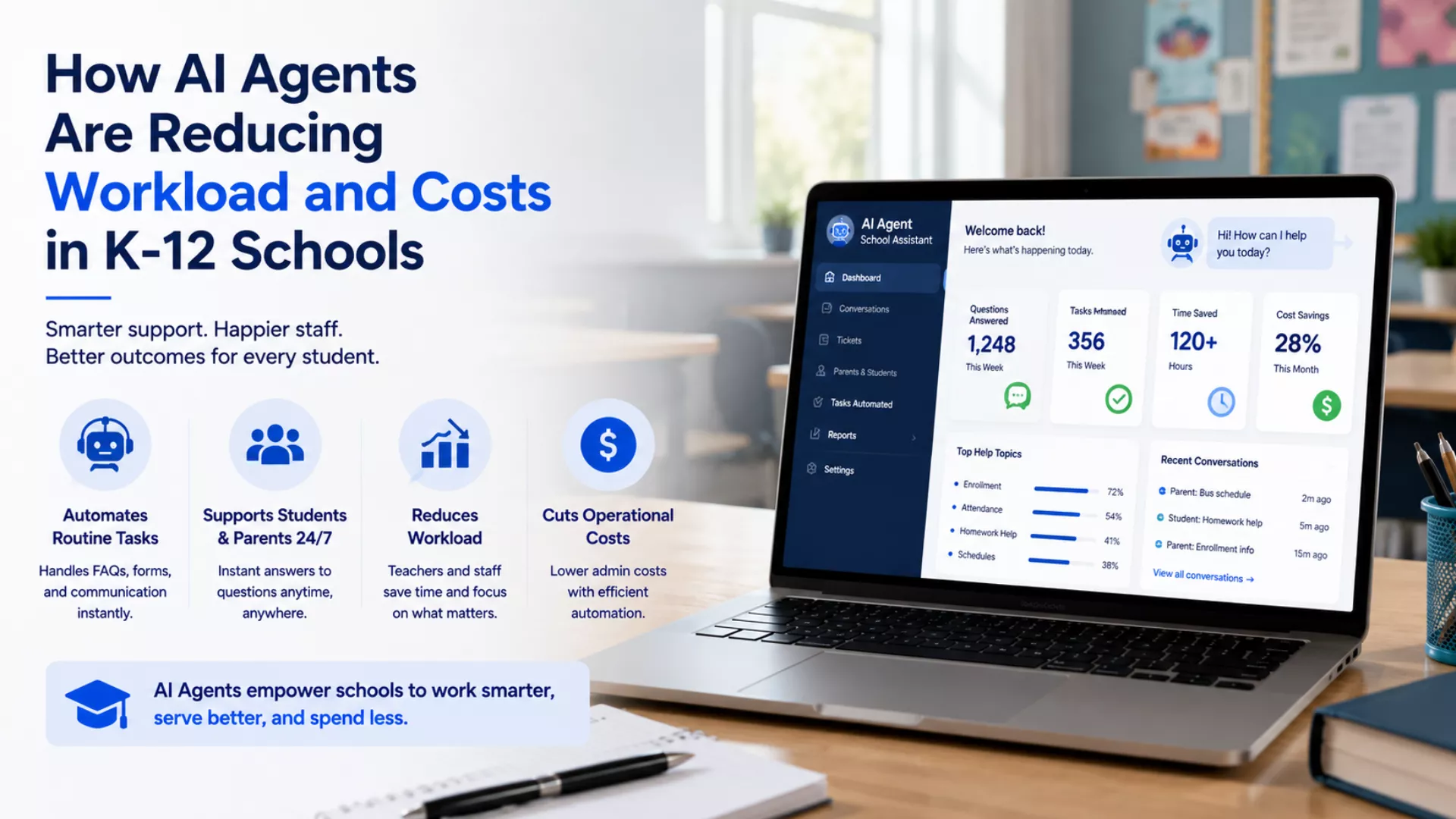
Every school district runs on repetition. Parent questions, enrollment requests, policy lookups and IT tickets repeat by the thousands each month. Add fixed budgets, persistent staffing shortages and rising expectations from families and employees, and the pic…
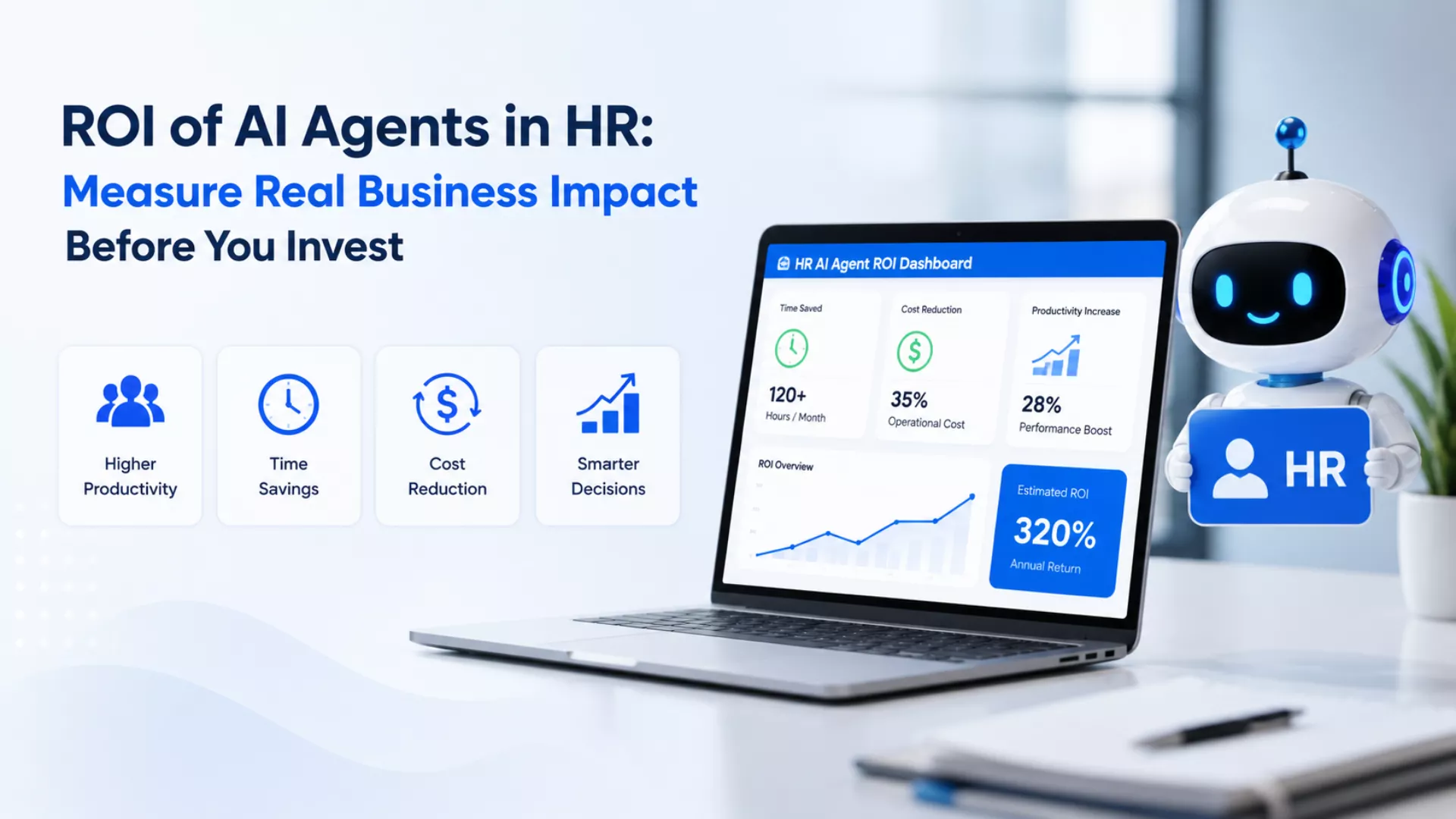
AI adoption is racing through enterprise companies. One-third of organizations now use generative AI in operations , sales and finance. But HR departments lag behind significantly. Only 3% of HR organizations have deployed generative AI, according to McK…