What GDPR Compliance Means for Businesses Using AI Chatbots


Many businesses believe that once they choose an AI chatbot platform, GDPR compliance becomes the platform’s problem. This is one of the most common and risky assumptions teams make. The truth is simpler and more serious. Using an AI chatbot does not move GDPR responsibility away from the business. It stays exactly where it started.
AI chatbots talk to customers, partners, and employees every day. These conversations often include personal information, even when no one plans for it. A customer may share an email address. An employee may ask about payroll. A visitor may type an order number or a delivery issue. Once that happens, GDPR rules apply.
What matters most is not just which chatbot software you choose. What matters is how the chatbot is used. What data can you see? What content is trained on? Who has access to it? And how often it is reviewed. GDPR compliance depends on daily operational choices, not just legal terms in a contract.
Many platforms promote themselves as GDPR compliant chatbot software. That can be helpful, but it does not remove business responsibility. The business still decides what data goes in, what comes out, and who can see it. The law looks at control, not marketing claims.
This article is written for businesses that already use AI chatbots or plan to use one soon. It is not written for developers or legal teams. It explains where responsibility starts, what risks businesses control directly, and how simple operational habits affect AI chatbot GDPR compliance in real use.
By the end, you should clearly understand what you must manage to stay aligned with GDPR, and why a GDPR compliant chatbot for business is more about behavior than technology.
Why Businesses Remain Responsible Under GDPR
Many teams assume that if a chatbot platform claims GDPR compliance, their work is done. This is not how GDPR works. Responsibility does not move just because software is involved. It stays with the business using the tool.
Under GDPR, the business is the data controller. This means the business decides why data is collected and how it is used. The chatbot platform acts as a processor. It handles data only on instructions from the business. Even when the platform is secure and well-built, the business remains accountable.
Here is what that means in simple terms:
- Uploading documents is a business decision
- Choosing training content is a business decision
- Making a chatbot public or private is a business decision
- Deciding what questions the bot can answer is a business decision
Every one of these choices affects AI chatbot data privacy.
A "GDPR compliant customer support chatbot" does not automatically create compliance for all implementations. The business faces security risks through its uploads of outdated policies and private contracts, and internal emails, because the content creates the threat, not the software. The law looks at who controlled the data, not who built the tool.
This is why contracts alone are not enough. Even with strong data processing agreements, regulators focus on real-world use. If personal data appears in conversations and is handled poorly, the business is responsible.
Understanding this early removes confusion and false comfort. It helps teams focus on what they actually control. GDPR compliance starts with ownership, not with features.
What Personal Data Looks Like in Chatbot Conversations
Many people think personal data only means forms and databases. In reality, chatbot conversations create personal data very easily. Often, it happens without anyone noticing at first.
A simple support question can include a name and email address. A delivery issue may include an order number and address. A refund request may include payment details. Even short chats can become regulated data within seconds.
Customer support chats are the most common source. A user might type, “Hi, this is Rahul. My order 45821 has not arrived.” That single message already includes personal data. The chatbot now handles information protected under GDPR.
Internal chatbots also create risk. Employees may ask about leave balances, benefits, or salary timing. These questions involve personal and sometimes sensitive data. If an internal bot is left public by mistake, the exposure becomes serious.
Casual conversation does not remove responsibility. GDPR does not care if the data was shared formally or informally. If it identifies a person, it counts.
This is why AI customer support GDPR planning must be practical. Teams should assume personal data will appear, even if the chatbot is designed for general questions. The goal is not to stop conversations, but to manage them safely.
When businesses understand how quickly chats turn into regulated data, they start making better choices. They review content, limit access, and avoid unnecessary collection. These small steps form the base of an AI chatbot GDPR compliance strategy that actually works.
Document Training and Content Ownership Risks
One of the quietest GDPR risks comes from training content. Businesses often upload documents quickly, without reviewing them fully. Over time, this creates hidden problems.
Uploaded files may include personal details, old policies, or internal notes that were never meant for wide access. Once a chatbot is trained on them, those details can surface in responses. This is not a system failure. It is an operational one.
Outdated documents are another risk. A chatbot answering with old procedures or expired policies can mislead users. If personal data handling instructions are wrong, compliance issues follow. Duplicate files add confusion. Conflicting answers increase risk.
Content ownership matters. Businesses must know what documents are active, which versions are current, and who approved them. GDPR expects accuracy and purpose control, not blind automation.
Retraining is often forgotten. Policies change. Processes improve. But chatbots stay the same unless updated. Over time, this gap grows. The risk grows quietly with it.
Teams that manage content carefully reduce problems early. They remove unnecessary files. They retrain after updates. They treat chatbot knowledge like any other system that affects customers and staff.
This approach aligns well with AI chatbot GDPR ready practices. Compliance becomes part of normal operations, not a one-time setup. The chatbot remains useful, accurate, and safer to use.
Using the Dashboard to Reduce GDPR Risk
Most GDPR risks can be reduced through simple controls. Dashboards are not just management tools. They are protection tools.
Access control is the first layer. Not everyone needs to manage bots or upload content. Limiting access reduces accidental exposure. Clear roles help teams stay focused and accountable.
Separating public and private bots matters. Testing bots should never be public. Internal agents should not answer customer questions. Keeping these boundaries clear prevents mistakes that often lead to compliance issues.
Credit limits and usage controls also help. They prevent runaway use and unexpected data collection. When activity stays within expected bounds, review becomes easier.
Experiments should stay separate from production systems. Many GDPR problems start when testing tools are left open. Clear labeling and structure avoid confusion.
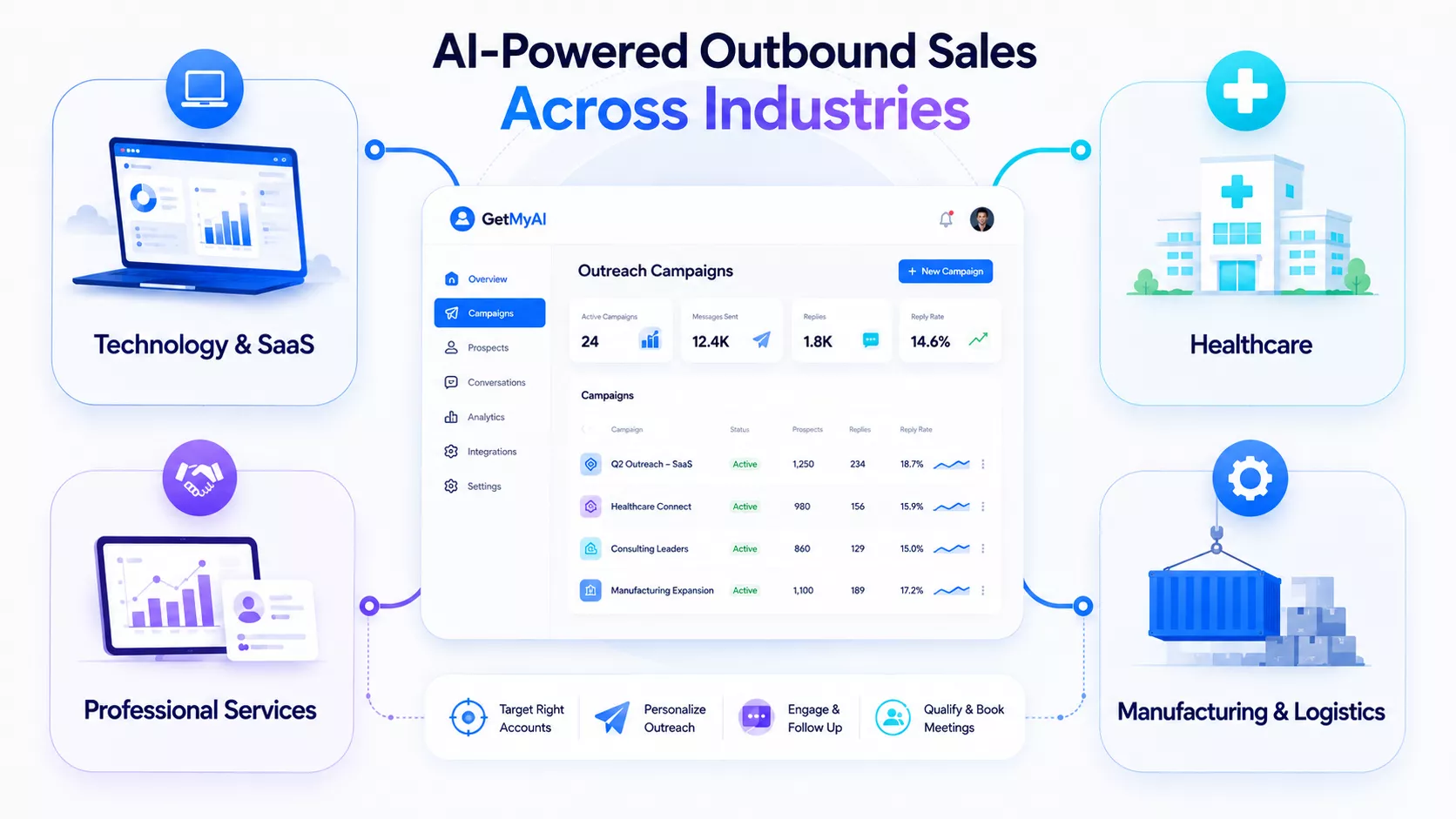
This is where platforms like GetMyAI support safer use when configured correctly. Control is not restriction. It is clarity. It allows teams to move faster without losing oversight.
A dashboard used well reduces stress, not flexibility. It gives businesses confidence that an AI chatbot with GDPR compliance is being managed deliberately, not casually.
Activity Review vs Analytics in GDPR Context
Monitoring often gets misunderstood when businesses use AI chatbots. Some teams avoid it because they worry it feels intrusive. Others go too far and collect more data than they need. GDPR expects balance, not extremes.
Activity logs play an important role because they show what is actually happening inside real conversations. Reviewing unanswered questions helps teams improve accuracy and reduce confusion. Looking at unusual or incorrect responses can highlight training gaps early. This kind of review protects both users and the business by catching issues before they spread.
Analytics should always have a purpose. Collecting information just in case creates unnecessary risk. GDPR is clear about this. If data does not support a defined operational need, it should not be stored. Less data often means fewer problems.
User feedback is another valuable signal. It shows where people struggle, hesitate, or feel misunderstood. Ignoring these signs allows small issues to grow quietly over time.
Review does not mean surveillance. It means responsibility. When teams focus on patterns instead of individuals, AI chatbot GDPR compliance improves naturally. Used correctly, activity review supports AI chatbot data privacy and helps businesses fix problems early, before they turn into complaints or audits.
Common GDPR Mistakes Businesses Make with Chatbots
Most GDPR problems with chatbots come from habits, not technology. The same mistakes appear again and again.
- Treating chatbots as set-and-forget tools
- Forgetting to retrain after policy updates
- Collecting more data than needed
- Leaving internal bots public
- Ignoring unanswered or flagged questions
These mistakes often feel minor when they first appear. Over time, they quietly stack up. A forgotten bot keeps answering with outdated information. An internal agent accidentally becomes public. What starts as a small oversight slowly turns into a real compliance issue that no one planned for.
Teams are busy, and that is completely normal. Chatbots are often added to save time, not create more work. But an AI chatbot is not a static page that can be ignored once it is live. It is an active system. It interacts with real people and real data every day. Like customer support tools or IT systems, it needs regular attention.
The good news is that most problems are easy to prevent once teams know what to watch for. Simple awareness goes a long way. When teams review activity, update content, and control access, mistakes drop quickly. AI chatbot GDPR compliance improves through routine, not panic.
Platforms like GetMyAI help support this process when businesses stay involved. A GDPR compliant chatbot for business works best when ownership is clear and reviews happen regularly. Avoiding issues does not require deep legal knowledge. It requires consistency, care, and treating AI chatbot data privacy as part of normal operations. This is what makes an AI chatbot GDPR ready in real use.
What “GDPR-Ready” Looks Like for Businesses
Being GDPR-ready does not mean being perfect. It means being prepared and responsible.
A GDPR compliant chatbot for business starts with ownership. Someone must be responsible for content, access, and review. Without ownership, gaps appear.
Content should be current and approved. Access should be limited. Public and private bots should be clearly separated. Reviews should happen regularly.
Transparency matters. Users should know they are speaking to a chatbot. They should understand how their data is used. This builds trust naturally.
GDPR readiness is not a finish line. It is a habit. Businesses that treat it as ongoing work stay safer and more confident.
When done right, compliance supports growth instead of blocking it.
Conclusion
Using AI chatbots delivers clear business value. They enhance response times while they assist support teams at extensive operations, and they enable customers to find solutions more rapidly. The organization assigns to its employees the value that they must fulfill their duties. The GDPR regulations remain in effect because automated systems manage the conversation process. The business must maintain its data protection obligations when it operates an AI chatbot system.
A GDPR compliant chatbot for business starts with understanding ownership. The business is still responsible for how personal data is collected, processed, and stored during chatbot conversations. This applies whether the chatbot is used for customer support, internal help, or lead engagement. Choosing GDPR compliant chatbot software is important, but it does not remove accountability.
The second key point is that the AI chatbot's GDPR compliance is operational. It is shaped by everyday decisions, not just legal agreements. What documents are uploaded, how often content is reviewed, who can access the chatbot, and whether outdated information is removed all directly affect AI chatbot data privacy. These small choices add up over time.
The third idea is control. A well-configured setup, regular reviews, and clear ownership reduce risk and build trust. Monitoring activity, updating content, and correcting gaps early help maintain a GDPR compliant customer support chatbot in real use.
AI chatbot GDPR compliance is not about fear or slowing teams down. It is about clarity and responsibility. As more businesses depend on AI support tools, expectations around privacy will continue to rise. Companies that treat GDPR as part of daily operations will be better prepared, more trusted, and more resilient.
FAQs
1. What is GDPR compliance for AI chatbots?
GDPR compliance for AI chatbots means ensuring that any personal data collected, processed, or stored through chatbot conversations follows the General Data Protection Regulation (GDPR). Businesses must collect only necessary data, protect user privacy, provide transparency about data usage, and respect user rights such as data access and deletion.
2. Who is responsible for GDPR compliance when using an AI chatbot?
The business using the AI chatbot is primarily responsible for GDPR compliance. Even if the chatbot platform provides GDPR-ready features, the organization remains the data controller and is accountable for how personal information is collected, processed, stored, and shared.
3. Can an AI chatbot collect personal data?
Yes. AI chatbots often collect personal information such as names, email addresses, phone numbers, order details, account information, or support requests during conversations. Because this information identifies an individual, it is protected under GDPR and must be handled securely.
4. How can businesses make their AI chatbot GDPR compliant?
Businesses can improve GDPR compliance by limiting unnecessary data collection, obtaining valid consent where required, encrypting customer data, restricting employee access, defining data retention policies, maintaining audit logs, and allowing users to request access or deletion of their personal data.
5. Does using a GDPR-compliant chatbot guarantee legal compliance?
No. A GDPR-compliant chatbot platform provides technical capabilities, but compliance depends on how the business configures and uses the chatbot. Organizations remain responsible for their data handling practices, privacy policies, and internal processes.
6. What are the biggest GDPR risks when using AI chatbots?
Common GDPR risks include collecting excessive personal data, storing conversations longer than necessary, failing to inform users about data processing, allowing unauthorized access to chat history, and using chatbot data for purposes beyond the original intent.
7. Why is data minimization important for AI chatbot GDPR compliance?
Data minimization is a core GDPR principle that requires businesses to collect only the information necessary to complete a specific task. Reducing unnecessary data collection lowers privacy risks, improves security, and helps organizations meet GDPR requirements.
8. What user rights should an AI chatbot support under GDPR?
A GDPR-compliant AI chatbot should help businesses support user rights, including the right to access personal data, correct inaccurate information, request data deletion, restrict processing, and receive clear information about how their data is being used.
9. Is conversation history stored by AI chatbots covered under GDPR?
Yes. If chatbot conversations contain personal information, the chat history is considered personal data under GDPR. Businesses should protect conversation logs, define retention periods, restrict access, and securely delete records when they are no longer required.
10. What features should businesses look for in a GDPR-compliant AI chatbot?
Businesses should look for features such as encrypted conversations, role-based access control, consent management, secure data storage, audit logs, configurable data retention policies, data export and deletion options, and compliance documentation. These features help organizations reduce privacy risks while meeting GDPR obligations.