AI Chatbot vs. AI Agent: What’s the Real Difference for Businesses?

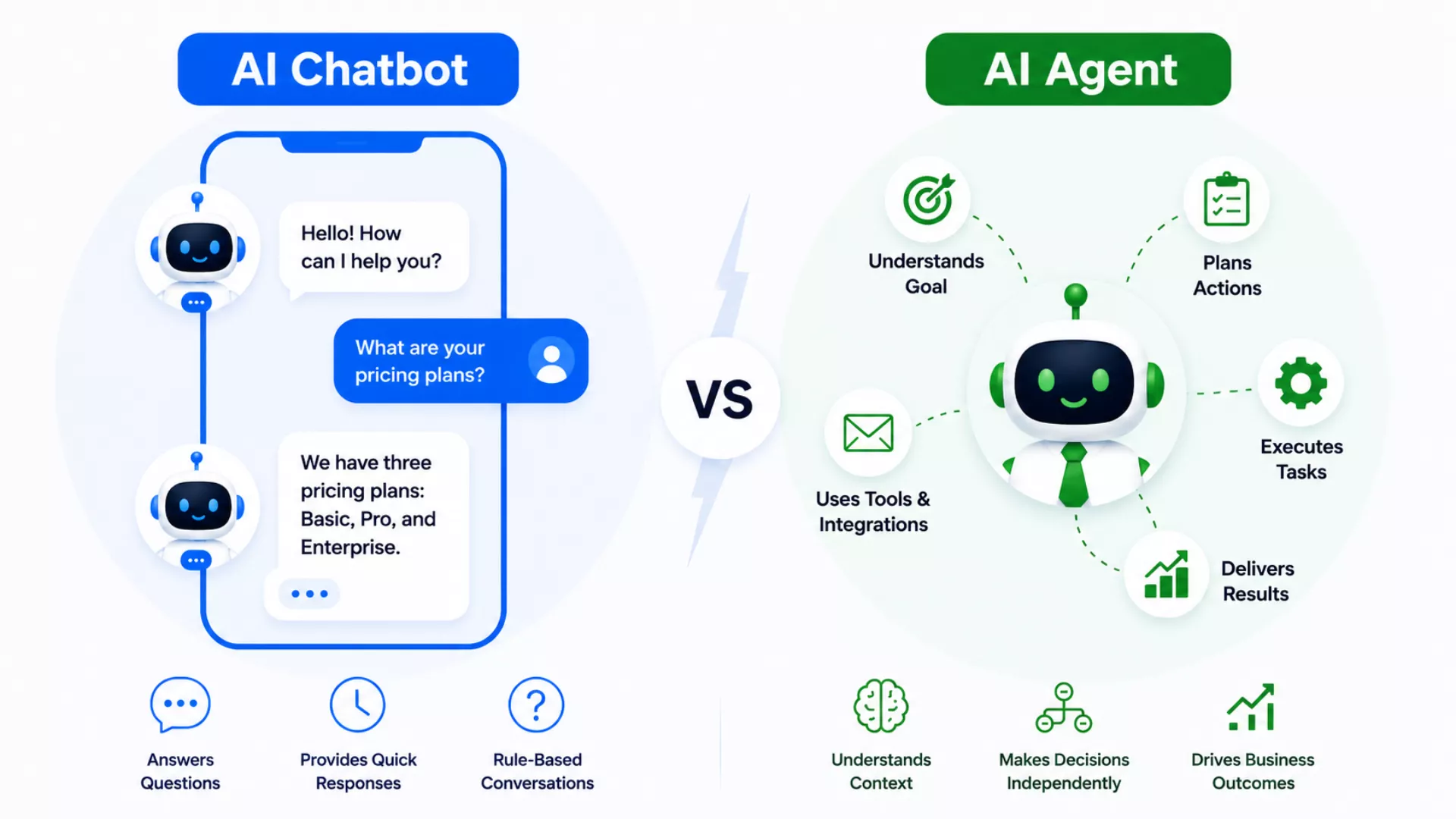
AI chatbots and AI agents are everywhere right now. Almost every software tool claims to offer one or both, and many companies use these terms in marketing as if they mean exactly the same thing, even though they often do not. This makes it harder for businesses to understand what they are actually buying.
They don’t. While chatbots and AI agents may look similar at first glance, they are built for different purposes and behave very differently once real users start interacting with them across real business conversations. The differences usually become clear only after the tool is in daily use.
If you’re trying to choose the right solution for customer support, lead generation, internal help, or basic automation, understanding the difference between an AI chatbot vs. an AI agent matters far more than the label used on a product page or sales site. The wrong choice can lead to wasted time and missed opportunities.
This guide explains the difference in plain language, using simple explanations and practical examples. No buzzwords. No technical theory. Just what each one does, where they work best, and how businesses actually use them in everyday situations. The goal is to help you make a clearer and more confident decision.
Why the Confusion Exists
The AI space moves fast. New terms appear faster than clear definitions. As a result:
- Some tools call basic chatbots “AI agents”
- Some virtual assistants are labeled as chatbots
- Some conversational AI tools mix all three terms together
From the outside, everything looks similar: a chat window, a question, and an answer.
But what happens behind the conversation is what separates a chatbot from an AI agent.
What Is an AI Chatbot?
An AI chatbot is designed to respond to user messages in a conversation.
At its core, a chatbot waits for input and then replies. That reply might come from rules, predefined content, or AI models trained on data. But the flow is mostly reactive.
Common Characteristics of AI Chatbots
- Responds when a user asks something
- Handles one message at a time
- Focuses on answering questions
- Usually follows a fixed conversation path
- Limited memory beyond the current session
Typical Use Cases
- Answering FAQs
- Basic customer support
- Website help widgets
- Simple product or pricing questions
Many AI chatbot companies focus on making responses sound more human. That helps, but it doesn’t change the underlying behavior.
A chatbot talks. It does not plan.
What Is an AI Agent?
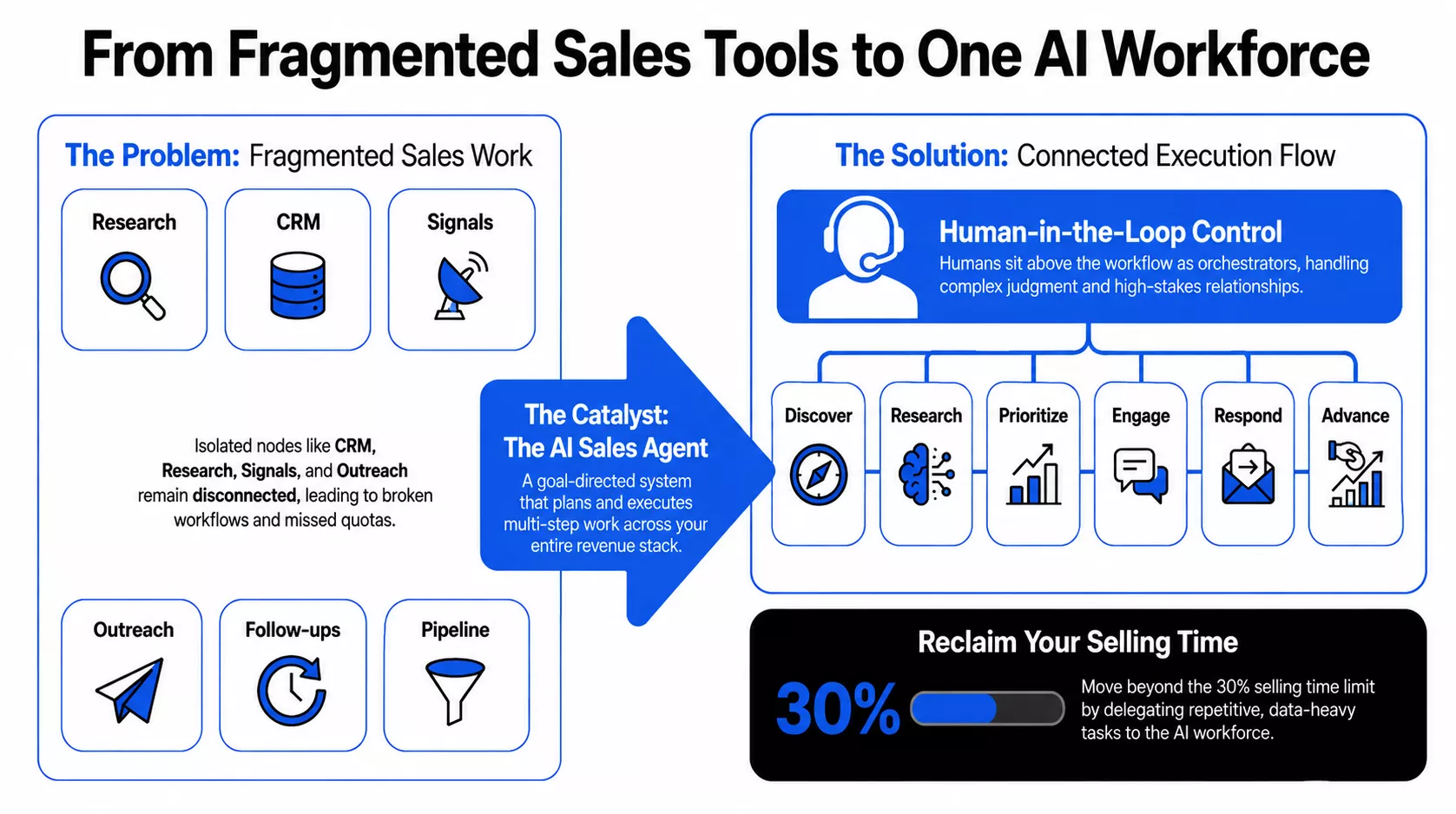
An AI agent is designed to work toward a goal, not just answer questions.
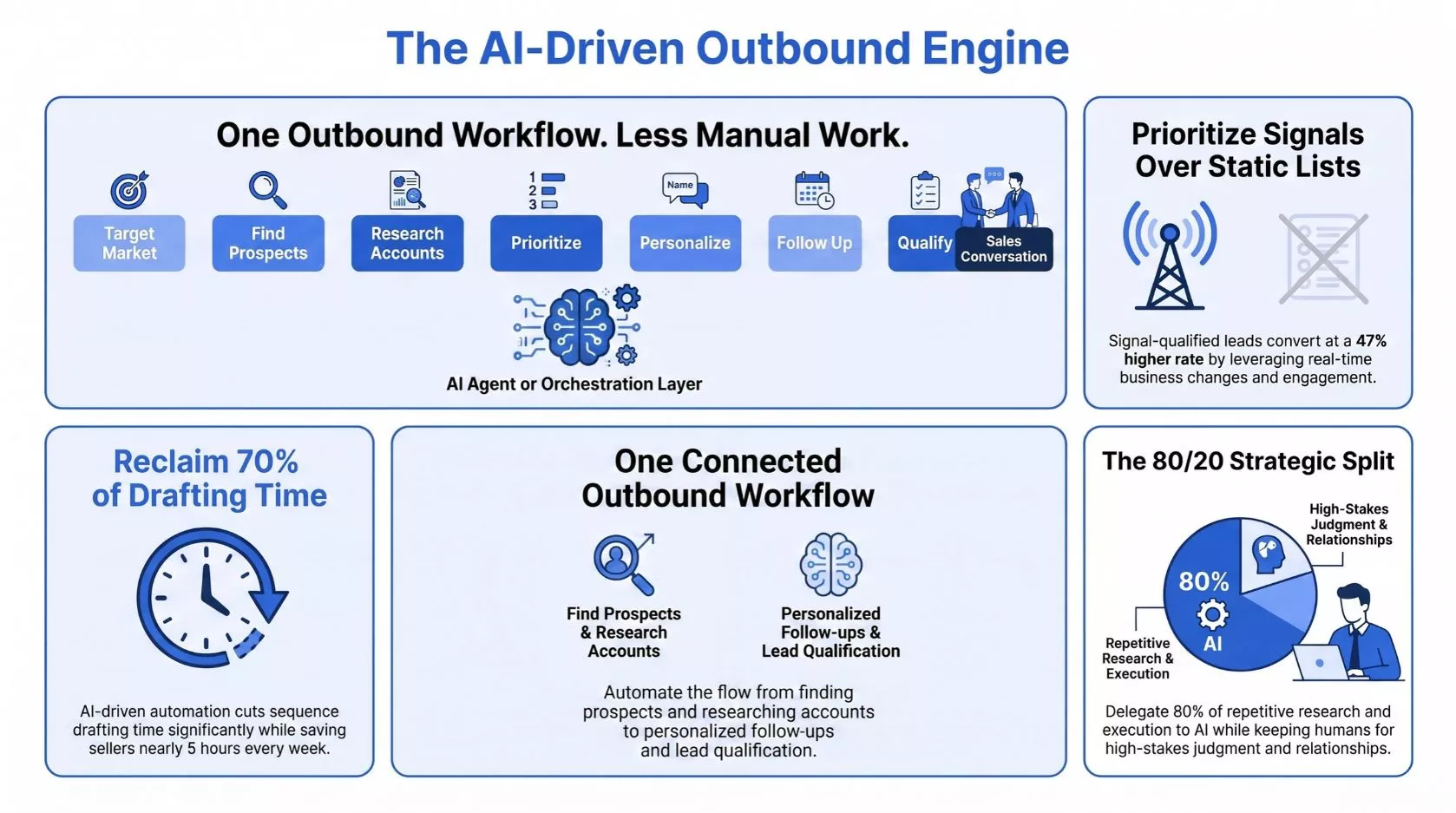
Instead of only reacting to messages, an AI agent can lead conversations, manage tasks that take several steps, and adjust based on past interactions. This does not mean the agent thinks like a person. It simply means it can handle more than one reply at a time.
Common Characteristics of AI Agents
- Focus on reaching a clear goal
- Guide users through the steps in order
- Remember the earlier parts of the conversation
- Improve through updates and feedback
- Built for workflows, not just answers
Typical Use Cases
- Qualifying leads
- Booking appointments
- Supporting internal teams with information
- Guiding new users through setup
- Helping customers find products in e-commerce
In the AI agent vs chatbots comparison, the difference is mainly about purpose. Chatbots respond to single messages, while AI agents guide conversations toward a business result, like qualifying a lead or finishing a task.
AI Chatbot vs. AI Agent: Side-by-Side Comparison
Here is a simple comparison that highlights the practical differences.
| Area | AI Chatbot | AI Agent |
| Core purpose | Answer questions | Achieve a goal |
| Conversation style | Reactive | Guided and proactive |
| Task handling | Single-step | Multi-step |
| Context awareness | Limited | Ongoing |
| Improvement | Manual updates | Continuous refinement |
| Business fit | Simple support | Complex workflows |
This table explains why many tools fall somewhere in between. Not every solution is purely one or the other.
Chatbot vs Conversational AI: Are They the Same?
When people compare chatbot vs conversational AI, they are usually mixing up a tool with a broader concept. Conversational AI is the general term for systems that talk to humans using natural language, while a chatbot is one specific type of conversational AI used for focused tasks.
- Conversational AI is a broad category, not a single product
- It includes chatbots, virtual assistants, conversational agents, and AI agents
- A chatbot is one part of conversational AI, not the whole thing
- Conversational AI works like an umbrella that covers many tools
Chatbot vs Virtual Assistant: What’s the Difference?
The chatbot vs virtual assistant comparison comes up often because the two can look similar on the surface. The difference is mostly in scope, not intelligence. Virtual assistants usually handle more types of tasks, while chatbots are built for specific business needs.
- Virtual assistants often support many tasks and devices
- They may use voice, text, or both
- Chatbots are usually text-based and website-focused
- In business use, many virtual assistants are advanced chatbots
Chatbot vs AI Assistants vs AI Agent
The comparison between chatbot vs AI assistants vs AI agent exists because marketing terms often overlap. In real products, the lines are not strict. What matters most is how the system behaves during a real conversation.
- A chatbot responds to individual user messages
- An AI assistant helps with tasks, often personal or work-related
- An AI agent manages workflows toward a clear goal
- Many business tools combine elements of all three
When a Chatbot is Enough And When an AI Agent is Needed
Not every business needs an AI agent. In many situations, a well-trained AI chatbot is more than enough to handle daily conversations. If your main goal is to answer questions fast and reduce support work, a chatbot is often the easiest place to start.
An AI chatbot works best when conversations are simple and repeatable. It responds when users ask something and shares information without trying to guide the discussion. For small websites or early teams, this setup delivers results with very little effort.
An AI chatbot is usually enough if you:
- Mainly answer common questions or FAQs
- Want fewer support requests and faster replies
- Use information that rarely changes
- Do not need guided steps or workflows
In these cases, using an AI agent can add more complexity than you actually need. A simple chatbot keeps things lightweight and easy to manage.
However, the picture changes when conversations need structure and direction. This is where the AI agent vs chatbots difference becomes clear. An AI agent is designed to guide users through a process, not just reply to questions. It focuses on outcomes, not just messages.
An AI agent becomes more useful when conversations are not finished in one reply. Instead of waiting for users to figure out what to ask next, the agent helps move the conversation forward with purpose.
You may need an AI agent if your conversations need to:
- Ask follow-up questions to understand a lead properly
- Walk users through booking without mistakes
- Help people weigh choices instead of guessing
- Learn from past chats and adjust answers
- Stay consistent, no matter who starts the conversation
This is where agent-based platforms differ from basic chatbot tools. They support longer conversations, keep track of earlier details, and follow set rules so the experience improves over time.
In the end, the choice between an AI chatbot vs AI agent is not about which is better. It is about what your business needs today. Chatbots are great for speed and simplicity. AI agents are better for structure, consistency, and results.
Do You Really Need to Build an AI Agent From Scratch?
When looking into AI tools, you may come across searches like how to build ai agent chatbot in VS Code. These searches are usually made by developers who want full control over how the system works. This approach relies on writing code, using frameworks, and setting up custom logic for every part.
Building a system this way takes ongoing effort. Teams must manage code updates, keep servers running, handle model changes, and make sure everything stays stable over time. It requires constant attention, not just a one-time setup.
For most companies, this level of complexity is unnecessary. The goal is rarely to build technology for its own sake. The real goal is to handle conversations better, guide users clearly, and reach outcomes like support resolution, lead qualification, or bookings.
Today, many platforms offer agent-style behavior without requiring developers to work inside tools like VS Code. These platforms help businesses set up clear, guided conversations without needing technical skills. Teams can control how chats work, update responses over time, and still get AI agent behavior without a complicated setup.
In many cases, the results look similar to custom-built tools. Conversations stay on track, answers stay consistent, and outcomes improve. The big difference is that teams spend time on real business work instead of managing code.
Where Simple Chat Ends and Work with GetMyAI
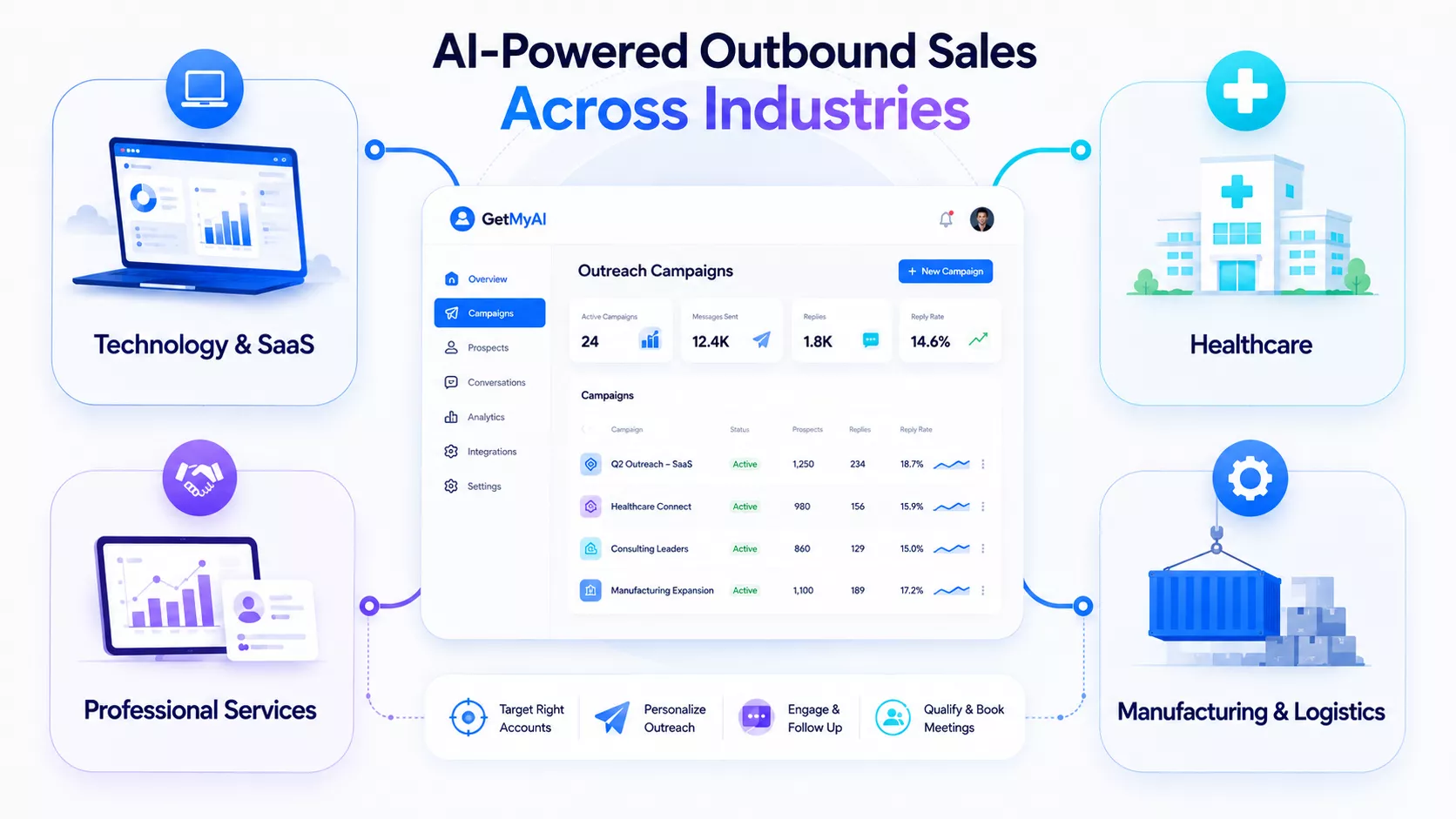
GetMyAI is built for businesses that want more than basic chatbot replies, but also don’t want the cost or effort of building custom systems from scratch. Many teams start with a chatbot because it is easy. As businesses grow, they often see that simple replies are no longer enough. They need more control, clearer conversation paths, and interactions that lead to action. Rather than making teams choose an AI chatbot or an AI agent on day one, GetMyAI supports gradual progress. Teams can start with basic conversations and build toward agent-style behavior as goals evolve. The platform stays focused on practical results, not experiments.
GetMyAI enables teams to create AI agents that:
- Follow structured conversations instead of loose replies
- Help users move through decisions step by step
- Work across channels like websites, WhatsApp, Slack, and Telegram
- Are managed from a single Dashboard
This makes the AI agent vs chatbots choice less limiting. Businesses can grow at their own pace and add more structure only when needed.
Built for Real Teams, Not Technical Demos
GetMyAI does not make big promises about “autonomous AI.” The focus is on practical, everyday use that actually helps teams get work done. Sales and operations teams can stay in control without needing developers to run or manage the system.
A major strength is how agents are trained and improved over time. Agents learn from real business documents, not assumptions. Teams can review conversations using Activity logs to see what worked and what didn’t. When something goes wrong, it is easy to fix and improve.
GetMyAI supports agent-like behavior by allowing teams to:
- Train agents using real company documents and knowledge
- Review real conversations through Activity logs
- Improve responses using the Improvement workflow
- Measure performance with clear Analytics
- Manage everything without writing code
This setup makes it useful for teams that care about consistency and results. Support teams can reduce repeated questions. Sales teams can qualify leads more clearly. Operations teams can keep information accurate across conversations.
GetMyAI does not try to replace people or overcomplicate workflows. It sits in the middle ground between basic chatbots and heavy custom-built AI agents. For many businesses, that balance is exactly what makes the platform work.
Choosing Between AI Chatbot Companies and Agent Platforms
When comparing AI chatbot companies with agent-focused platforms, the biggest difference is what each one is built to optimize. Many traditional chatbot tools focus on how conversations look and sound. They put most of their effort into conversation design, message quality, and basic automation. This works well for answering questions and handling simple support, especially when conversations are short and predictable.
Agent-focused platforms take a different approach. Instead of stopping at good replies, they focus on what the conversation achieves. These platforms are built around outcomes, workflows, and continuous improvement. They guide users through steps, maintain context, and improve over time based on real usage. Today, some of the top AI chatbot companies blend both ideas, offering chatbot features with more agent-like behavior. Because of this, the line between chatbots and agents is no longer clear-cut. What matters most is not what a tool calls itself, but what happens after the first message is sent.
What Is the Best AI Chatbot?
There is no one-size-fits-all answer to what the best AI chatbot is. The right option depends on your business size, your goals, the data you use, and how your workflows are built. Some teams are fine with a simple chatbot that gives fast answers. Others see better results with agent-style behavior that saves time, captures leads, and improves the customer experience. The best AI chatbot is the one that actually works for your business, not the one with the most features on a sales page.
Make the Right Choice
In making your choice between an AI chatbot and an AI agent, consider your daily talks. Chatbots are suitable for fast questions and simple support. AI agents are more appropriate when conversations include recalls, memory, and definite targets. This perspective enables you to dodge tools that seem to deliver but are actually weak in practical use.
The discussion around AI agent vs chatbots is not about trends or popular terms. It is about how much direction your conversations need. Some businesses only need quick answers. Others need systems that qualify leads, guide decisions, and improve with use. The right choice depends on your real conversation needs.
In the end, a practical mindset works best. Solve today’s problems while leaving room to grow. Whether you choose a chatbot, an AI agent, or a mix of both, clarity matters more than marketing. Tools should support your workflow, not disrupt it.
FAQs
1. What is the difference between an AI chatbot and an AI agent?
An AI chatbot is designed to answer questions and respond to user messages, while an AI agent is built to achieve a specific goal by managing multi-step tasks and workflows. Chatbots focus on conversations, whereas AI agents combine conversations with task execution and decision support.
2. Which is better for businesses: an AI chatbot or an AI agent?
The right choice depends on your business needs. AI chatbots are ideal for handling FAQs, customer inquiries, and basic support. AI agents are better suited for complex workflows such as lead qualification, appointment scheduling, customer onboarding, and internal process automation.
3. Can an AI chatbot become an AI agent?
Yes. Many modern AI platforms extend chatbot capabilities by adding workflow automation, memory, integrations, and task execution. As these features are added, a chatbot can function more like an AI agent that supports complete business processes instead of simply answering questions.
4. Do AI agents replace AI chatbots?
No. AI agents do not replace AI chatbots. Instead, they build upon chatbot capabilities by adding planning, automation, and goal-oriented actions. Many businesses use both together to deliver conversational support while automating business operations.
5. What business tasks can AI agents automate?
AI agents can automate lead qualification, appointment booking, customer onboarding, knowledge retrieval, workflow approvals, follow-up reminders, internal employee support, and repetitive operational tasks. This helps businesses improve efficiency while reducing manual effort.
6. Are AI chatbots still useful in 2026?
Yes. AI chatbots continue to be valuable for customer support, website assistance, product recommendations, and answering common questions. For many businesses, chatbots remain the fastest way to improve customer experience without implementing more advanced workflow automation.
7. What features should businesses look for in an AI agent platform?
Businesses should look for features such as document-based knowledge retrieval, workflow automation, CRM integrations, analytics, human handoff, role-based access control, conversation history, multilingual support, and continuous performance improvement. These features help AI agents deliver measurable business outcomes.
8. How do AI agents improve customer support compared to traditional chatbots?
AI agents go beyond answering questions by understanding customer context, guiding users through complete processes, retrieving information from multiple systems, and automating follow-up actions. This reduces manual work and creates a more seamless customer experience.
9. Can AI agents integrate with business applications?
Yes. Modern AI agent platforms integrate with CRMs, help desk software, calendars, document repositories, ERP systems, and other business tools. These integrations allow AI agents to retrieve information, automate workflows, and provide more personalized customer interactions.
10. How can businesses decide whether they need an AI chatbot or an AI agent?
Businesses should start by identifying their goals. If the primary need is answering customer questions or providing self-service support, an AI chatbot is often sufficient. If the objective includes automating workflows, managing multi-step processes, or improving operational efficiency, an AI agent is usually the better choice. Selecting the right solution depends on the complexity of your business processes and long-term automation goals.