Why Logistics Businesses Are Adopting AI Chatbots for Customer Support

Key Takeaways
- Freight clients and e-commerce brands generate completely different support requests despite using the same logistics infrastructure.
- A generic chatbot cannot distinguish a pallet rerouting request from a failed last-mile delivery query.
- Human support costs $6–$15 per interaction. AI brings that down to $0.50–$0.70 at scale.
- Nearly one-third of logistics support conversations happen outside business hours, making 24/7 AI coverage operationally necessary.
- Logistics providers are now evaluated on communication speed and visibility as much as delivery reliability.
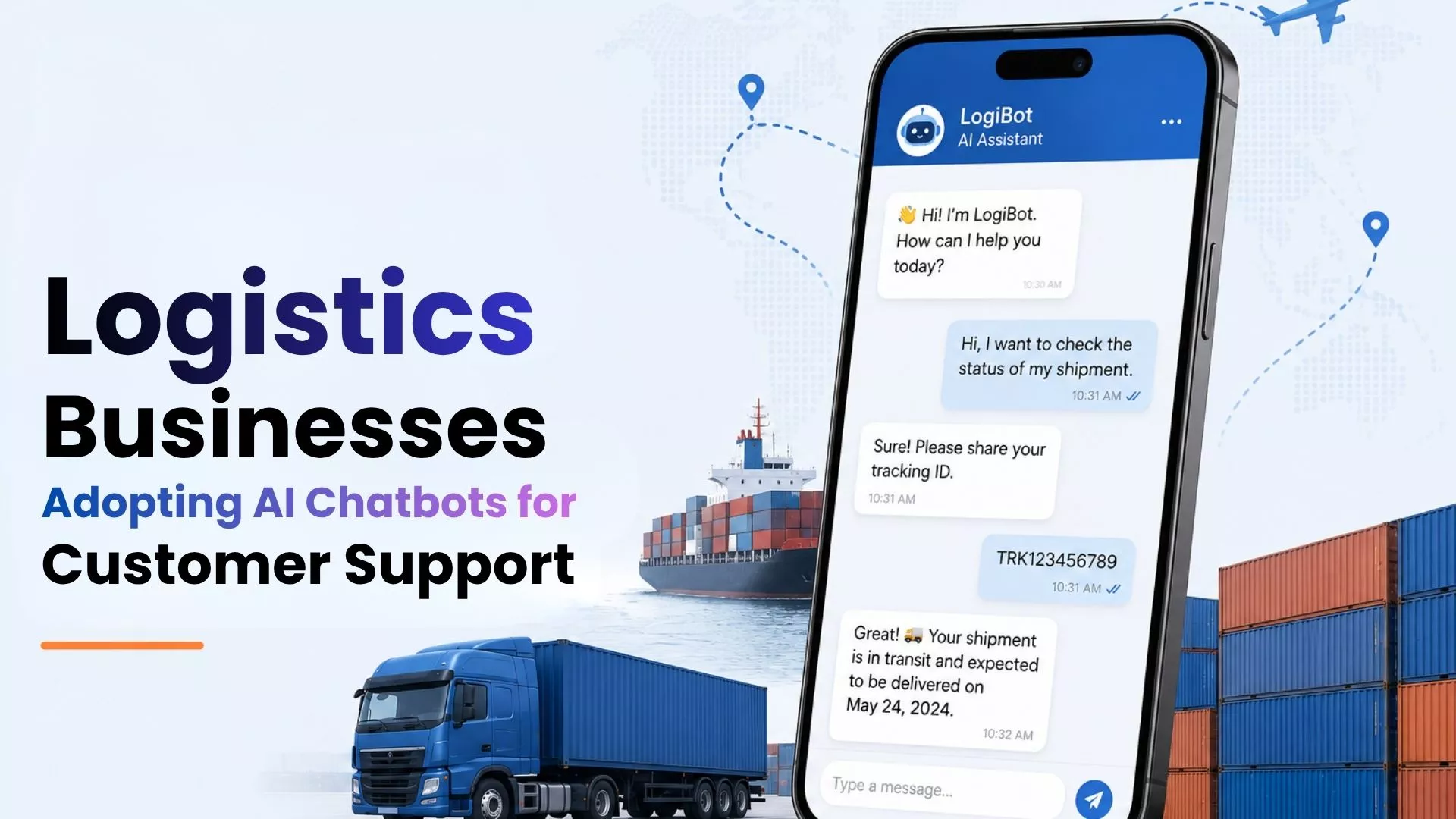
It's 9 AM. A manufacturer wants a freight status update. A distributor is flagging a missed delivery window. An e-commerce brand needs exception handling for 300 orders. A retail fulfillment client is asking why warehouse communication broke overnight. Your team has three people on shift. This is the daily reality that AI support for logistics businesses is built to solve across every channel, without adding headcount.
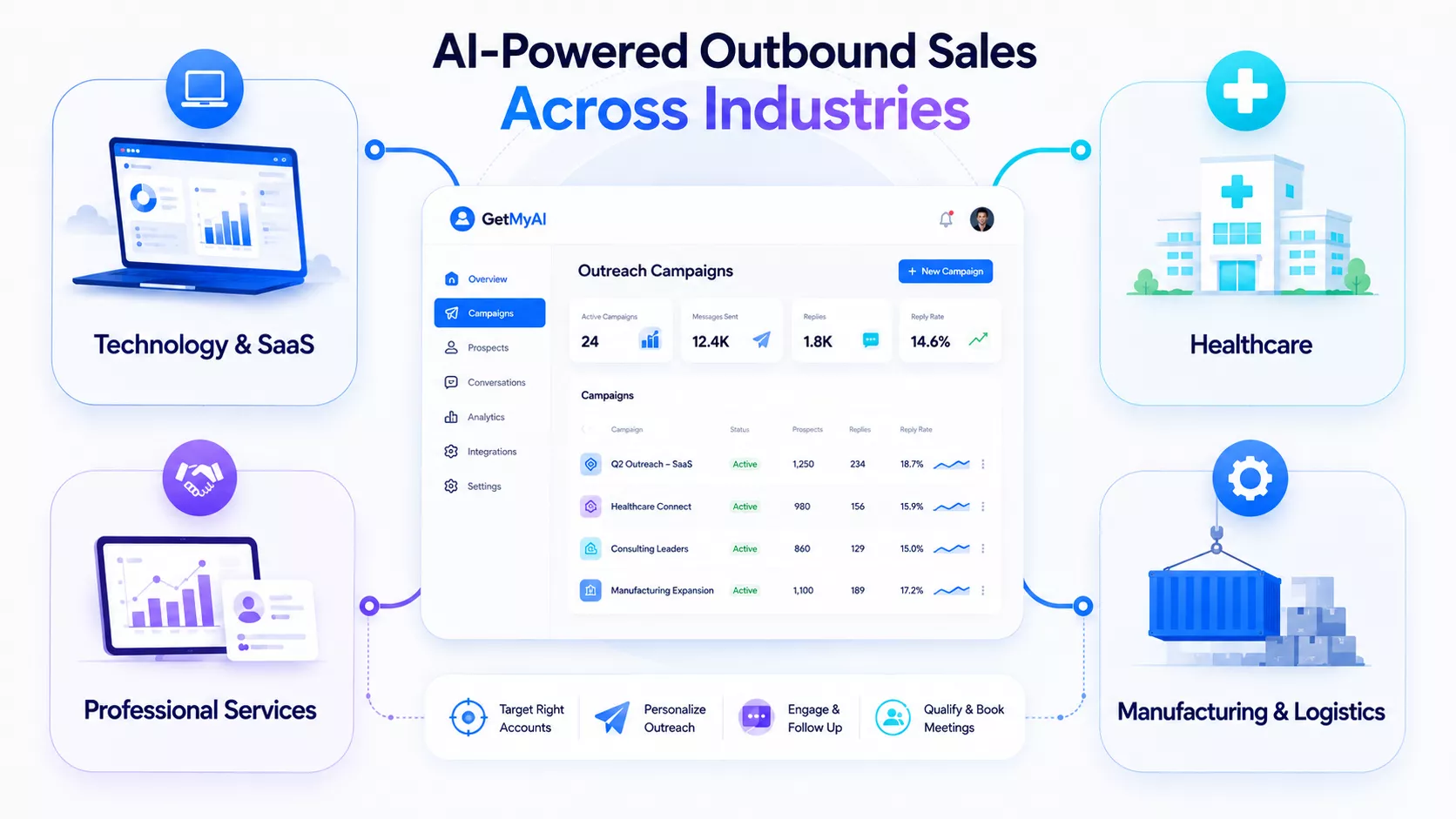
A logistics customer support chatbot helps logistics companies manage communication for businesses with different shipping models. Manufacturers, distributors, and freight clients usually need shipment coordination, recurring freight visibility, and operational updates, while e-commerce and fulfillment businesses require delivery monitoring, return handling, and delivery issue management. AI chatbots help logistics providers respond faster, reduce repetitive support requests, and maintain 24/7 shipment communication across high-volume operations.
One Logistics Network, Two Completely Different Shipping Needs
A wholesaler and a Shopify store can both be your clients. They may use the same trucks and the same warehouses. But the support conversations they have are completely different.
| B2B Logistics Clients | B2C Logistics Clients | |
| Who they are | Wholesalers, manufacturers, distributors, industrial suppliers, retail chain vendors | Ecommerce brands, D2C stores, Shopify sellers, subscription companies |
| What they need | Freight visibility, dock scheduling, SLA communication, invoice access, recurring delivery management | Order-level shipment visibility, delivery exception management, returns handling, failed delivery resolution |
| Support volume pattern | Predictable, account-based, recurring | High volume, order-triggered, time-sensitive |
| AI chatbot impact | Reduces dependency on account managers for repetitive operational questions | Scales e-commerce support without adding headcount |
This is where logistics conversational AI creates real operational value. B2B clients need reliable freight coordination updates. B2C clients need instant answers on individual orders, often outside business hours. Since 29% of chatbot interactions happen outside standard business hours, a customer support chatbot for logistics keeps both client types covered when your team is offline.
Serve Every Client Type Instantly
AI chatbots keep freight clients and e-commerce brands covered when your team is offline.
Same infrastructure. Entirely different support demands.
Why One Bot Cannot Serve Every Logistics Client
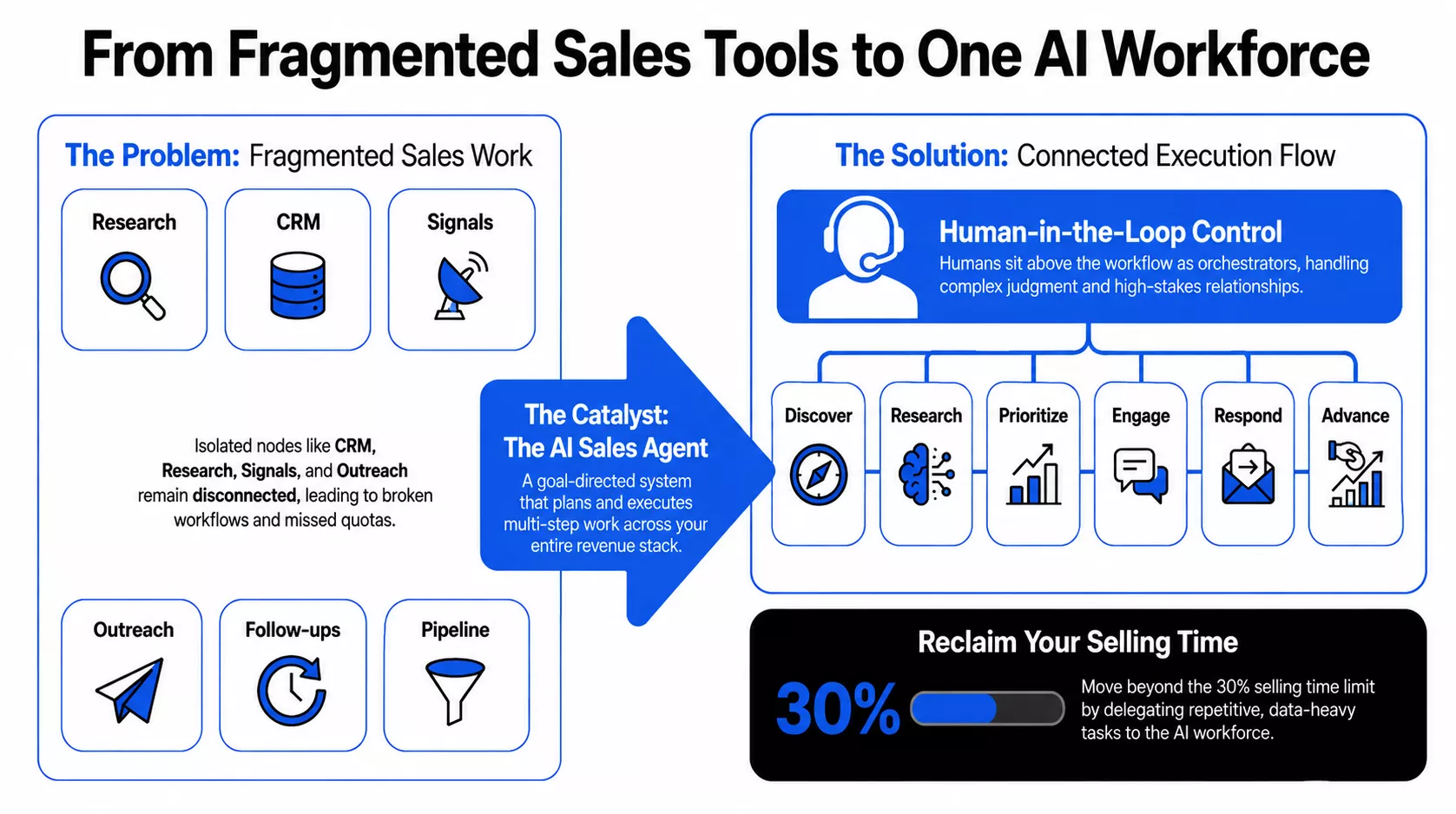
A generic support bot treats every logistics query the same. In logistics, that is the problem. Freight clients, e-commerce brands and warehouse operations each ask different questions and need different information to move forward. One conversation system cannot serve all three.
Freight Clients Ask Operational Questions
A distributor calling about a delayed pallet needs shipment-level visibility, not a FAQ response. Freight clients ask about rerouting, supplier delivery timing, warehouse scheduling and document access. These are recurring, account-based questions tied to active shipments. Without awareness of ongoing freight operations, an AI support agent for logistics cannot give answers that are actually useful.
E-commerce Brands Ask Fulfillment Questions
Picture 400 orders going out on a Monday. By Tuesday, 60 have delivery exceptions. An e-commerce brand needs those resolved fast, at order level, across multiple tracking numbers simultaneously. Failed deliveries, return shipment updates and bulk order monitoring require high-volume response handling that static bots cannot manage. This is exactly where freight customer support automation falls short without order-level context built in.
Warehouse & Distribution Clients Ask Inventory Questions
These clients are not tracking individual parcels. They are coordinating inbound shipment timing, confirming stock arrivals, managing transfer schedules and aligning loading dock availability. The questions are inventory-driven and time-sensitive. A bot that cannot distinguish this from a last-mile delivery query will give the wrong answer every time.
Why One Bot Cannot Handle All Three
- It cannot identify who is asking. A freight account and a fulfillment operation ask differently. A bot that cannot tell them apart responds to both the same way.
- It cannot understand what the issue actually is. Matching a keyword like "delay" does not tell the bot whether it is a pallet reroute, a failed delivery or a dock scheduling conflict.
- It cannot determine what information is needed. Without context, the bot gives a generic response that sends the client back to your support team anyway.
What Logistics Companies Gain By Automating Customer Support
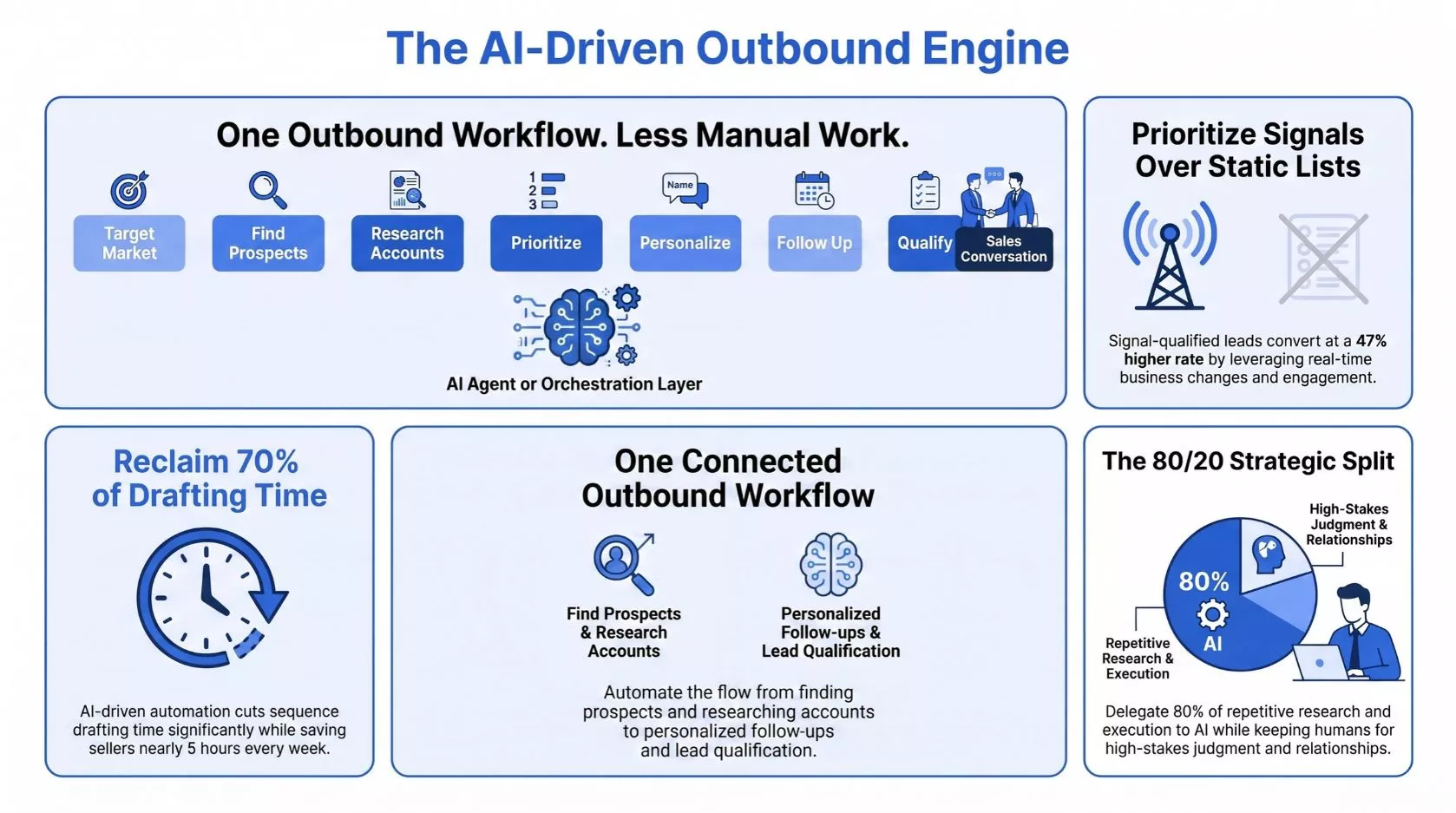
Logistics support teams spend most of their day answering the same operational questions. An AI chatbot for logistics shifts that load off your team by handling repeatable requests instantly, across every client type and shipping model.
- Shipment Visibility Without the Wait: A client asks where their shipment is. Instead of your team pulling tracking data manually, the chatbot answers it in seconds. ETA requests, warehouse arrival updates and fulfilment delay queries get resolved without a single human touchpoint.
- Exceptions Get Caught Before They Escalate: Failed deliveries and address correction requests sit in queues until someone picks them up. By that point, the client is already frustrated. Delivery inquiry automation intercepts these the moment they come in, initiating return coordination or delayed shipment communication before it becomes a complaint.
- B2B Clients Stop Waiting on Account Managers: Freight clients need invoices, shipment documents and recurring delivery updates regularly. These are not complex requests, but they consume account manager time at scale. Dispatch support automation gives freight clients direct access to what they need without pulling your team into it.
- Support That Runs Overnight: Peak shipping periods do not follow office hours. Neither do missed deliveries nor warehouse arrival questions. AI chatbots handle overnight and weekend queries without additional staffing, making how logistics companies can automate customer service a question that is already answered operationally.
Support That Never Clocks Out
AI chatbots handle overnight queries and weekend requests without adding a single headcount.
The Cost Difference Is Not Small
Human-led support costs $6–$15 per interaction. AI-led support costs $0.50–$0.70. Gartner projects this shift will reduce enterprise labour costs by $80 billion by 2026.
At high support volumes, that gap does not just save money. It changes what your support team is actually hired to do, focusing them on SLA disputes, damaged cargo claims and enterprise coordination instead of repetitive status checks.
Customer Support Use Cases: How Logistics Companies are already Automating
When repetitive requests are automated, human agents spend 64% more time on complex cases. These are the support scenarios logistics companies are already handling with an AI chatbot for customer support today.
Proactive Delay Communication
A storm disrupts freight lanes on a Tuesday morning. Hundreds of shipments are affected across multiple clients. Instead of your team fielding inbound calls all day, the chatbot pushes updated ETAs to every impacted shipping business automatically. Clients are informed before they think to ask. Inbound support volume drops before it builds. This is where a logistics chatbot for shipment tracking and updates changes the operational day entirely.
Self-Service Address Correction
An e-commerce brand catches an incorrect delivery address after dispatch.
- Chatbot checks whether the shipment is still eligible for an address update
- Pulls current routing data and confirms the correction window
- Updates delivery information and recalculates the route instantly
- Confirms the change back to the client without a support ticket being raised
No back and forth. No manual intervention. Resolution in under two minutes.
Instant Freight Quote Requests
A distributor needs urgent lane pricing to confirm a booking.
| Step | What the Chatbot Does |
| 1 | Pulls relevant shipping lane data based on origin and destination |
| 2 | Returns freight estimates based on weight, volume and service type |
| 3 | Supports immediate shipment booking confirmation |
The distributor gets pricing fast enough to make a same-day decision. Can AI chatbots automate delivery updates and quotes simultaneously? In this case, yes.
Cargo Damage and Claims Reporting
A warehouse receives a pallet with visible damage. Reporting it manually means emails, photos, follow-ups and waiting. The AI chatbot for supply chain support handles it differently. The client submits damage photos directly in the chat. The chatbot collects shipment IDs, logs the incident and files the claim automatically. Your team receives a completed claim, not a request to start one.
Bulk Delivery Monitoring
An e-commerce company has 600 active orders moving across three carriers. Tracking them manually is not realistic.
The chatbot gives them a single place to see it all:
- Shipment summaries across all active orders in one view
- Delayed delivery highlights are flagged automatically without the client searching
- Centralized delivery updates are pushed as status changes happen
Must-Have Features in a Logistics Customer Support Chatbot
Not every AI virtual assistant for logistics is built for operational complexity. Before choosing one, logistics companies need to evaluate whether the enterprise AI chatbot can actually handle the support demands of freight, fulfilment, and warehouse clients simultaneously. Here is what that looks like in practice.
TMS, ERP and WMS Integration
A chatbot that cannot talk to your systems is just a search bar with a personality. The best AI chatbot for logistics customer support connects directly to your TMS, ERP and WMS to:
- Retrieve live shipment data without manual lookup
- Update delivery information across systems in real time
- Access warehouse records for inbound and outbound coordination
- Synchronize freight status so clients always see accurate information
If the integration is not real-time, the answers are not reliable.
Context-Aware AI Responses
This is the capability that separates a useful chatbot from a frustrating one.
| Request Type | What the Bot Must Recognize | What Happens Without Context Awareness |
| Freight coordination | Account-level shipment status, recurring schedules | Generic tracking response that does not match the query |
| Fulfillment support | Order-level visibility, exception handling | Wrong information delivered to the wrong client type |
| Inventory queries | Inbound timing, stock arrival, transfer confirmation | Bot treats it like a last-mile delivery question |
Context awareness for chatbots in 2026 is the baseline requirement.
Omnichannel Support
A freight manager on Slack. An e-commerce brand on WhatsApp. A retail client on your website. Three clients, three channels, one active shipment issue each.
Logistics automation tools for customer support teams must hold the conversation consistently across all of them. Not just respond on each channel but carry history across sessions so a client who started on WhatsApp and follows up on Slack does not have to explain themselves twice.
The standard is simple: same answer quality, every channel, every time.
Smart Escalation to Human Teams
Not every conversation should stay with the bot. Here is when it should not:
- A client's tone shifts and frustration are clear
- An SLA breach is being reported
- A damaged shipment dispute needs a decision
The handoff itself is not enough. The receiving agent needs the full conversation history, the shipment context and a summary of the issue before saying a single word. Without that, escalation is just a transfer that makes the client repeat everything.
Optical Character Recognition and Document Processing
| Document Type | Client Action | What the Bot Does |
| Invoice | Uploads in chat | Reads content, flags discrepancy |
| Packing slip | Uploads in chat | Cross-checks against warehouse delivery record |
| Customs paperwork | Uploads in chat | Verifies details before shipment clearance |
AI chatbot integrations with OCR remove the email chain entirely. The document goes in. The answer comes out.
Multilingual Support
Freight does not stay in one language. Neither should your support.
The Multilingual customer support in a logistics chatbot means a client in Germany, a supplier in Vietnam and a distributor in Mexico can all raise issues, check shipment status and get delivery updates without your team needing region-specific agents for each. Real-time translation keeps accuracy consistent at every point in the conversation.
One chatbot. Every market it touches.
How Logistics Companies Are Adapting to Modern Customer Support Expectations
Logistics providers are no longer evaluated on transportation alone. Ecommerce brands expect fulfillment communication the moment something changes. Freight clients expect shipment visibility without having to ask for it. Customer satisfaction in logistics is now directly tied to how fast a provider communicates, not just how reliably they deliver.
| Before | After |
| Email-heavy support with delayed responses | Real-time shipment communication across active channels |
| Manual shipment coordination through account managers | AI-assisted updates triggered by shipment events |
| Visibility only when the client followed up | Instant operational visibility on demand |
| Support available during business hours only | 24/7 coverage, nearly one-third of chatbot conversations happen outside regular business hours |
The logistics providers moving toward conversational AI are doing it to meet a communication standard their clients already expect. Predictive shipment alerts, automated freight communication and intelligent delivery coordination are already in motion across leading logistics operations. Providers building this capability now will define what responsive logistics support looks like for everyone else.
How GetMyAI Helps Logistics Companies Build AI Support Agents
GetMyAI gives logistics companies a direct way to build logistics AI customer support without starting from scratch. Businesses train AI agents using their own data, including website content, shipment policies, PDFs, support documents and operational Q&A so the agent understands their specific shipping environment from day one. Once live, teams review real conversations, identify gaps and retrain using actual client requests to keep responses accurate as operations evolve.
Build Without Starting From Scratch
Train your AI agent on your own shipment policies, documents, and operational data from day one.
Deploy automated customer support for logistics across every channel your clients already use. Freight quote requests, shipping inquiries, partnership leads and warehouse coordination requests are captured through conversational lead forms built into the agent.
Build agents for every client type
- Enterprise freight coordination and e-commerce fulfilment supported by dedicated agents
- Shipment visibility and delivery issue handling are built into each agent from the start
- Each agent is configured around that client's specific operational model
Deploy and capture across every channel
- AI support agent for logistics runs across websites, WhatsApp, Slack, Telegram and Instagram
- Freight quote requests, shipping inquiries and partnership leads captured through conversational lead forms
- Appointment booking connects directly with Calendly or Google Calendar.
FAQs
How are logistics companies using AI chatbots?
Logistics companies use AI chatbots to handle shipment tracking, delivery exception management, freight quote requests, cargo claims and bulk order monitoring without routing every request through a human agent.
Why do logistics businesses need AI chatbots?
Logistics teams handle the same high-volume operational requests daily. AI chatbots resolve these instantly, reduce support costs from $6–$15 per interaction to $0.50–$0.70 and keep clients covered around the clock.
Can AI chatbots improve logistics customer support?
Yes. AI chatbots resolve shipment visibility queries, delivery exceptions and freight coordination faster than human teams can at scale, while freeing agents to focus on SLA disputes and complex operational issues.
Can AI chatbots automate delivery updates?
Yes. AI chatbots push delivery updates the moment a shipment status changes, handling failed deliveries, ETA revisions and exception communication automatically without requiring manual intervention from your support team.
How can logistics companies automate customer service?
Train an AI agent on shipment policies, support documents and operational data. Deploy it across active channels. It handles repetitive requests instantly and escalates complex issues to human agents with full context included.
How do AI chatbots improve customer experience in logistics?
Clients get instant answers on shipment status, delivery exceptions and freight coordination at any hour. That response speed builds trust and directly influences whether a shipping business continues working with your logistics operation.
How do logistics companies provide 24/7 support?
Nearly one-third of logistics support conversations happen outside business hours. AI chatbots handle overnight queries, weekend requests and peak period volume without additional staffing, keeping clients covered when your team is offline.