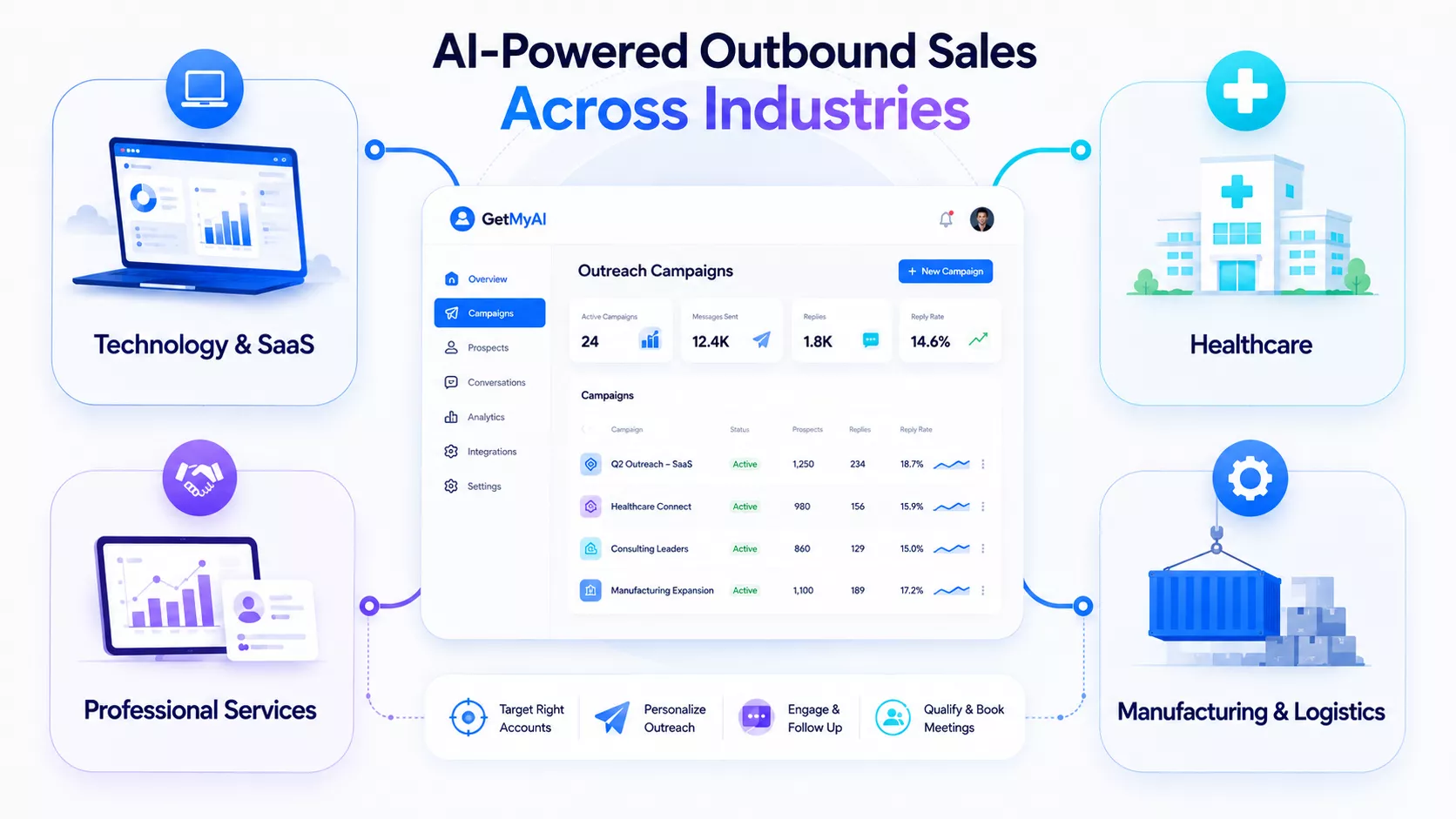
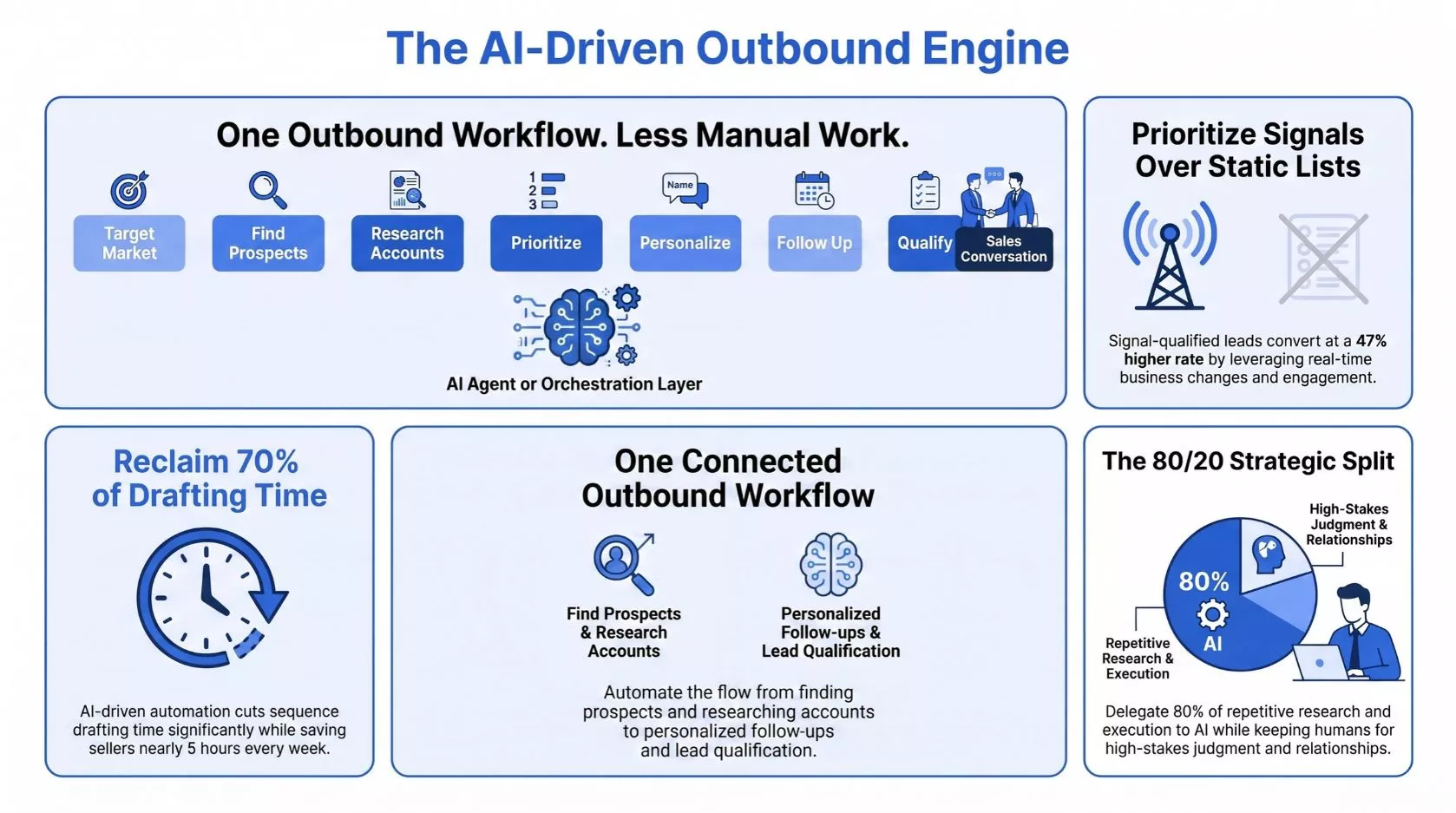
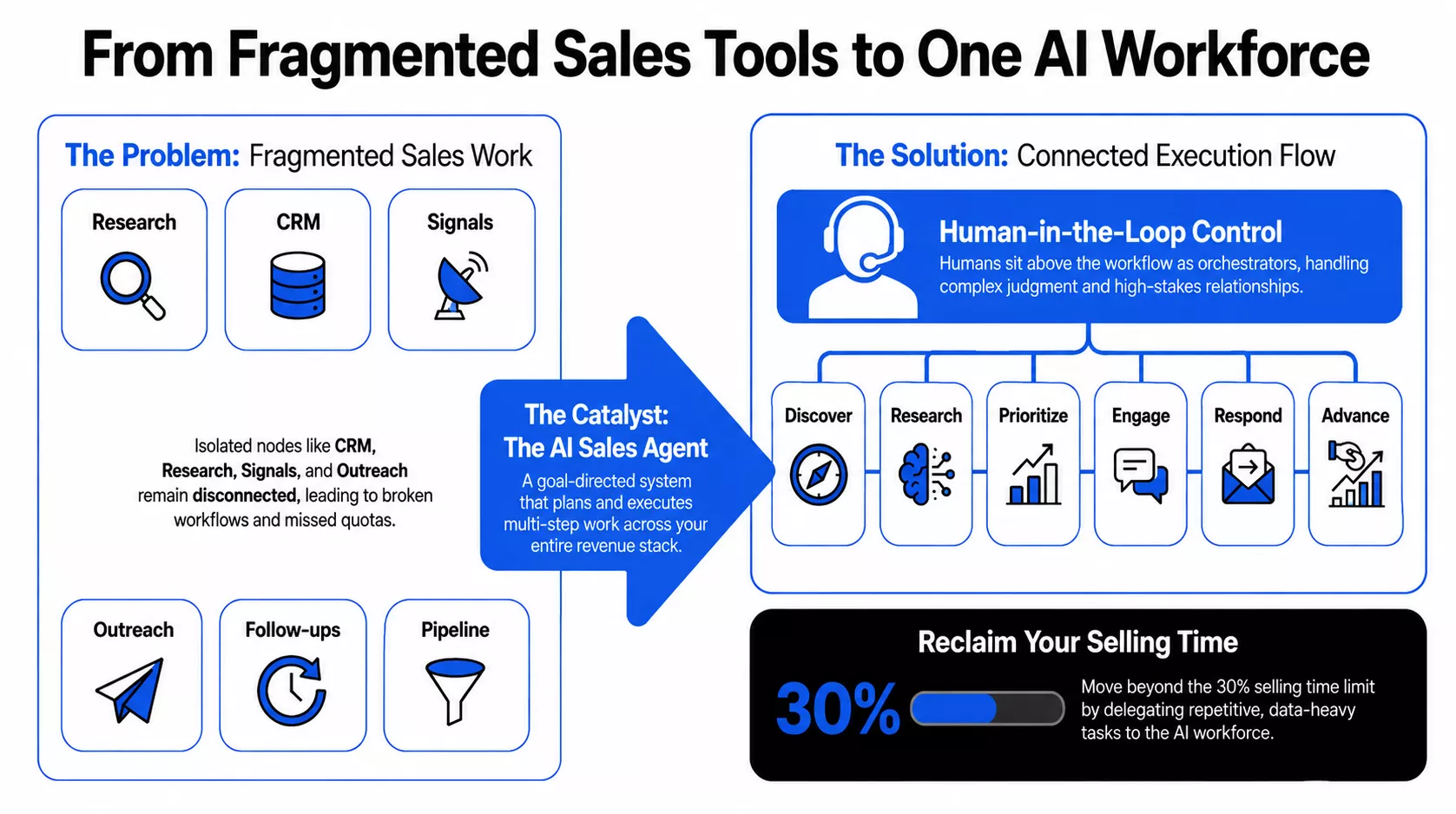
B2B outbound sales is becoming harder to manage manually. Sales teams still spend hours finding prospects, researching accounts, identifying decision-makers and keeping up with follow-ups. Benefits of AI in Sales go beyond saving time: better prospect research…
Experience Boost
Create. Deploy. Engage. With GetMyAI
Launch GPT-powered conversations that engage, support, and convert — all in one platform.
AI Chatbot for Financial Services: Features Businesses Must Look for Before Buying
getmyai
May 7, 2026
AI chatbot for financial services
financial services chatbot platform
enterprise AI chatbot for banking
AI customer service chatbot finance
Key Takeaways
Financial AI platforms now influence onboarding, support, qualification, and operational workflows instead of handling only basic customer enquiries.
Context continuity across websites, WhatsApp, Slack, and Telegram directly affects customer trust, engagement quality, and workflow completion rates.
Operational analytics and unresolved conversation tracking help financial teams improve AI performance using real customer interaction data continuously.
Enterprise-ready financial AI systems require governance controls, teammate permissions, visibility management, and structured deployment oversight across departments.
Financial institutions increasingly prioritize scalable conversational infrastructure that supports proactive engagement, appointment coordination, and multilingual customer interactions.
There is a difference between answering questions and managing financial conversations properly. Many chatbot tools handle simple FAQs reasonably well, but customer journeys in finance rarely stay linear. Conversations move across channels, involve sensitive information, and often require follow-ups that extend beyond a single interaction. This is where the evaluation criteria have changed. An AI customer service chatbot for finance teams must support continuity, operational visibility, and structured engagement rather than functioning as a basic support widget.
An AI chatbot for financial services should support secure customer conversations, contextual memory, omnichannel engagement, analytics, lead qualification, and operational workflows such as appointment booking or onboarding support. The best platforms also provide continuous improvement tools, activity monitoring, human escalation support, and integrations with websites, WhatsApp, Slack, Telegram, and financial business systems to reduce operational load while improving customer experience.
Features Financial Institutions Should Prioritize Before Choosing an AI Chatbot
The best enterprise AI chatbot for banking does more than answer support questions. It reduces operational pressure, maintains customer continuity across channels, and gives teams visibility into how conversations actually perform over time. Many financial institutions focus heavily on AI accuracy during evaluation. In practice, scalability, monitoring, and workflow continuity have a bigger impact on long-term deployment success.
1. Context-Aware Conversations
Customers expect conversations to continue naturally across channels. A user who starts a loan enquiry on WhatsApp should not repeat the same details again on a website or Slack conversation.
An omnichannel banking chatbot should maintain:
conversation history
intent continuity
contextual awareness across sessions
This directly affects response quality and customer trust. Systems that preserve conversational context can reduce response times by 22% while improving customer satisfaction during multi-step financial interactions.
Financial workflows often involve approvals, verification, and follow-ups across multiple sessions. Context loss creates friction that directly impacts conversion rates and customer confidence.
2. Lead Qualification and Guided Customer Journeys
Financial institutions should evaluate whether the AI can actively guide users toward outcomes instead of acting like a passive FAQ system.
Strong AI chatbot features for financial institutions include:
Conversational lead qualification
Onboarding guidance
Consultation scheduling
Appointment booking integrations
Platforms that can automate meeting booking help reduce scheduling delays during:
loan consultations
onboarding discussions
advisory calls
An AI chatbot for lead generation guides users through conversations progressively instead of forcing them through long static forms. Financial institutions use conversational qualification to capture intent, schedule consultations, support onboarding discussions, and reduce abandonment rates during loan inquiries or advisory workflows where customer continuity directly affects conversion outcomes.
3. Real Analytics Instead of Vanity Metrics
Most chatbot dashboards show message counts. Operational AI platforms show why conversations succeed or fail.
Financial businesses need visibility into:
unresolved questions
engagement trends
peak activity periods
customer intent patterns
channel performance
Conversation analytics help teams identify recurring friction points before they become operational bottlenecks. AI-driven customer support operations can reduce operational costs by up to 30% when analytics are used to optimize repetitive workflows and improve resolution efficiency.
4. Keeping AI Responses Updated
Financial AI systems need regular refinement because customer enquiries, onboarding requirements, and financial products evolve constantly. Strong platforms should help teams review unresolved conversations, identify response gaps, and update training data efficiently so the assistant becomes more accurate through real customer interactions over time.
Many financial institutions underestimate how quickly outdated information affects response quality. Teams that consistently review missed or incomplete responses usually improve AI performance faster than businesses relying only on initial document uploads or one-time setup processes.
5. Omnichannel Deployment and Integration
Customers already move between channels naturally. Financial businesses need chatbot integration with banking systems that support the same behavior.
The platform should support deployment across:
Websites
Messaging Channels
In financial services, fragmented conversations often force customers to restart sensitive discussions across channels, which weakens trust during high-intent interactions. Strong AI chatbot integration helps maintain conversational continuity across websites and messaging channels where financial discussions typically involve multi-step decisions, approvals, and ongoing customer engagement rather than one-time support requests.
6. Human Escalation Support
AI should handle repetitive financial enquiries efficiently while allowing customers to reach human teams quickly during sensitive or high-risk conversations.
A secure AI chatbot banking compliance strategy should include:
Escalation workflows
Context-preserving handoffs
Conversation visibility for human teams
This allows AI to manage routine interactions while relationship managers or support teams handle:
Fraud concerns
Complex approvals
High-value financial discussions
Financial institutions achieve better customer outcomes when AI manages routine support while human experts handle complex financial discussions and approval-related decisions.
7. Security and Access Control
Financial institutions should carefully evaluate how an enterprise AI chatbot for banking manages visibility, deployment permissions, and user access across teams. Strong platforms support public and private deployment options, teammate-level permissions, restricted workspace access, and controlled document management to reduce unnecessary exposure of sensitive operational or customer-related information.
An AI chatbot banking compliance strategy depends on more than encryption alone. Financial AI systems often contain internal workflows, onboarding processes, customer support information, and operational knowledge bases that require structured governance. Access management and deployment controls help financial businesses maintain operational security while allowing teams to collaborate safely across departments.
Build Smarter Financial AI Operations
Centralize conversations, analytics, scheduling, and customer engagement through one scalable AI platform.
Where Financial Services Businesses Actually Use AI Chatbots Today
Financial institutions now use conversational AI for banking across customer support, onboarding, lead qualification, and internal operations. The strongest deployments focus on reducing operational friction while improving response speed, accessibility, and customer continuity across channels.
Customer Support and Service Deflection
An AI virtual assistant for finance can instantly handle balance inquiries, transaction questions, policy explanations, and common account-related requests without increasing support headcount. This reduces queue pressure while allowing human teams to focus on fraud reviews, escalations, and sensitive financial conversations.
Financial institutions increasingly use multilingual AI agents to support customers across regions and languages without forcing separate support workflows. This improves accessibility while maintaining consistent service quality across websites, WhatsApp, Slack, and Telegram.
Loan Qualification and Consultation Workflows
Financial businesses use AI chatbots to guide users through consultation requests, onboarding flows, and preliminary qualification questions before involving human advisors. Chatbots can also coordinate appointment scheduling, reducing scheduling delays during high-intent conversations. Faster qualification workflows reduce drop-offs during loan and onboarding journeys, especially outside business hours when support teams are unavailable.
Conversational Lead Generation
Modern AI chatbot providers in the financial industry increasingly use conversational inquiry handling instead of static lead forms. The chatbot captures intent, identifies service interest, and routes high-value prospects toward the correct advisory or sales teams automatically.
Research across AI-assisted digital experiences shows AI-supported visitors can convert significantly better than non-AI traffic when conversational guidance reduces friction during decision-making.
Internal Operations and Employee Support
Financial institutions also deploy AI systems internally for HR support, policy guidance, operational documentation assistance, and employee onboarding. This reduces repetitive internal requests while improving access to procedural information across teams. Internal AI deployments often deliver operational efficiency gains faster than customer-facing deployments because workflows are easier to standardize and measure.
What Separates a Useful Financial AI Platform From a Basic Chatbot
A financial services chatbot platform should support operational workflows, conversation continuity, and long-term improvement, not just automated replies. Financial institutions require AI systems that remain reliable across onboarding, support, qualification, and compliance-sensitive customer interactions.
Basic chatbots often fail when conversations move beyond predefined flows. They struggle with multi-step questions, lose context across channels, and provide limited visibility into unresolved customer interactions. In financial environments, these gaps directly affect customer trust, operational efficiency, and escalation volume.
Enterprise banking chatbot implementation solutions are designed differently. They combine contextual conversations, operational analytics, controlled deployment, and improvement workflows so teams can continuously refine customer interactions using real usage data.
Industry research shows that properly implemented AI workflows can autonomously handle 70–85% of routine customer interactions, allowing support teams to focus on complex financial conversations and higher-value operational work.
Basic Chatbots
Enterprise-Ready Platforms
Depend heavily on scripted responses
Understand conversational intent and context
Break during multi-step conversations
Maintain continuity across longer workflows
Provide limited operational visibility
Include analytics, engagement tracking, and unresolved conversation monitoring
Cannot improve effectively from live usage
Support retraining and structured improvement workflows
Usually limited to a single deployment channel
Support websites, WhatsApp, Slack, Telegram, and additional business channels
Offer minimal access management
Support controlled deployment, teammate permissions, and visibility settings
Operate as standalone support widgets
Function as operational systems connected to customer workflows
Struggle with compliance-sensitive environments
Better aligned for GDPR compliant chatbot for finance requirements and controlled data handling
Financial workflows require accuracy, continuity, and operational oversight because customer conversations often involve sensitive financial decisions, onboarding processes, or account-related actions. A fragmented AI experience increases friction at the exact moment customers expect reliability. Financial institutions should evaluate whether the platform improves operational visibility and customer continuity over time, not just whether it can answer common questions on day one.
5 Reasons Why Financial AI Evaluation Criteria Are Changing
Financial institutions are no longer evaluating AI systems as simple customer support tools. The shift toward operational AI has changed how businesses assess long-term platform value, scalability, governance, and customer continuity. Earlier chatbot deployments focused heavily on FAQ automation and support deflection.
Today, financial businesses expect AI systems to support onboarding workflows, qualification journeys, customer engagement, operational routing, and service coordination across multiple channels. This shift is happening rapidly as financial organizations increasingly treat conversational AI as part of their operational infrastructure rather than an isolated support layer.
Several industry changes are driving this transition:
AI systems now support operational workflows, not just customer support interactions.
Customers expect conversations to continue naturally across websites and other channels without losing context.
Financial institutions increasingly prioritize analytics, operational visibility, and unresolved conversation tracking to improve workflows continuously.
Governance, access control, and explainability are becoming major evaluation factors due to growing regulatory pressure around AI deployment.
Financial businesses now view scalable conversational systems as long-term infrastructure connected to onboarding, engagement, and customer operations.
Industry forecasts estimate the global AI in the BFSI market could grow from USD 26.2 billion in 2024 to nearly USD 192.7 billion by 2034, reflecting how rapidly operational AI adoption is accelerating across financial services.
Evaluate AI Platforms With Long-Term Operational Goals
Prioritize governance, scalability, continuity, and engagement before selecting an AI platform.
The 2026 Outlook: Conversational AI Becomes Core Financial Infrastructure
Adoption of conversational AI for banking is accelerating as financial institutions move beyond basic support automation toward operational AI systems embedded directly into onboarding, engagement, and service workflows.
From Reactive Support to Proactive Financial Engagement
Financial AI systems are evolving from answering customer questions to actively guiding customer actions. Modern platforms increasingly handle reminders, payment nudges, onboarding assistance, qualification workflows, and proactive engagement before customers request support.
From Static Forms to Conversational Workflows
The best AI chatbot platform for financial services in 2026 will replace fragmented forms and disconnected support processes with continuous conversational workflows. Financial institutions are shifting toward AI-led qualification, scheduling, onboarding, and service coordination because conversational journeys reduce operational friction and improve completion rates.
AI is becoming part of Customer Operations
An AI chatbot for financial services deployments is increasingly integrated into customer operations rather than isolated inside support teams. Financial businesses now use conversational systems to support onboarding visibility, customer engagement tracking, operational routing, and appointment coordination across websites, WhatsApp, Slack, and internal systems.
Analytics and Conversational Memory Become Strategic Assets
Operational visibility is becoming one of the most valuable capabilities inside financial AI systems. Institutions increasingly rely on analytics, unresolved conversation tracking, and conversational memory to identify friction points, improve workflows, and maintain continuity across customer interactions.
The Competitive Advantage Will Come From Scalable AI Infrastructure
Financial institutions investing in scalable conversational systems today are building long-term operational advantages. Platforms that preserve customer context, improve using real interaction data, and support omnichannel engagement will increasingly function as the engagement infrastructure behind modern financial service delivery.
Why Financial Businesses Choose GetMyAI
GetMyAI was designed for financial teams that need visibility into conversations after deployment, not just automation during deployment. Instead of functioning as a standalone support widget, the platform enables financial businesses to build, deploy, monitor, and continuously improve AI agents across customer and internal workflows without requiring development-heavy implementation.
Omnichannel Reach: Seamless deployment on a firm’s website or via high-engagement channels like WhatsApp and Slack
Continuous Optimization: A built-in Q&A-based optimization engine and a feedback loop for refining bot responses.
Integrated Analytics: Real-time data on engagement, performance, and conversation trends to inform strategy.
No-Code Agility: Financial teams can deploy complex agents and integrate meeting booking without taxing internal IT resources.
GetMyAI also gives financial teams greater operational control after deployment. Teams can review real customer conversations inside the Activity section, identify unanswered questions, improve responses through structured retraining workflows, and securely manage document-based knowledge from a centralized Dashboard. The platform also includes website chatbot previewing inside the Playground, helping teams validate customer experience, visibility settings, and deployment behavior before going live across customer-facing financial workflows.
Build Scalable Financial AI Operations With GetMyAI
Support onboarding, engagement, scheduling, and multilingual customer conversations across channels.
What features should an AI chatbot have for banking?
An enterprise AI chatbot for banking should support contextual conversations, omnichannel deployment, analytics, escalation workflows, appointment booking, multilingual support, and operational visibility. Financial institutions should also evaluate access controls, conversation continuity, and retraining capabilities before deployment.
Is an AI chatbot secure for financial institutions?
A secure AI chatbot banking compliance strategy includes controlled document access, teammate permissions, deployment visibility settings, escalation workflows, and operational governance. Financial businesses should also evaluate auditability, conversation monitoring, and secure integrations before deploying customer-facing AI systems.
How to implement an AI chatbot in banking?
Financial institutions usually begin with onboarding, support, or qualification workflows before expanding operational AI usage gradually. Strong chatbot integration in banking systems should support websites, WhatsApp, Slack, Telegram, scheduling systems, and internal operational workflows without requiring complex redevelopment later.
What are the benefits of AI chatbots in finance?
AI chatbots help financial institutions reduce repetitive operational workload, improve customer response continuity, automate qualification workflows, and support multilingual engagement. They also improve operational visibility through analytics, unresolved conversation tracking, and structured customer interaction monitoring across channels.
Which chatbot supports financial compliance requirements?
A GDPR compliant chatbot for finance should support controlled deployment permissions, teammate access management, operational monitoring, secure document-based training, escalation workflows, and conversation visibility. Financial businesses should prioritize platforms designed for governance, auditability, and structured operational oversight.
We’ve noticed that a surprising amount of a sales rep’s day is still spent preparing to sell rather than actually selling. Building lists, researching accounts, finding the right contacts, writing outreach and chasing follow-ups can consume hours before a mean…
Sales teams have more AI than ever, yet the productivity problem remains. Sales AI Agents can take repetitive work off your team's plate, but adding another tool does not automatically improve execution. In 2026, 78% of B2B sellers missed quota in 2025, w…