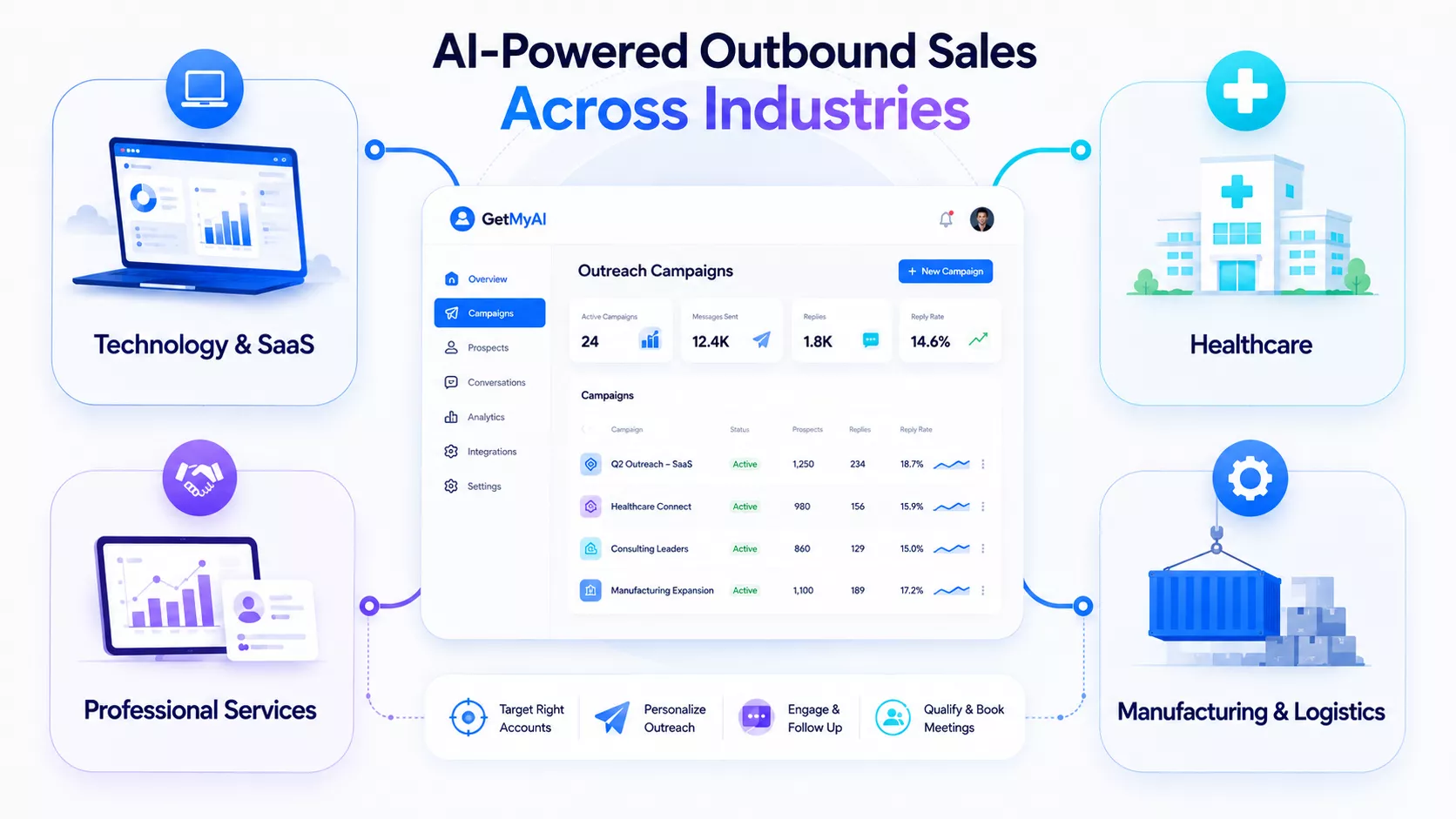
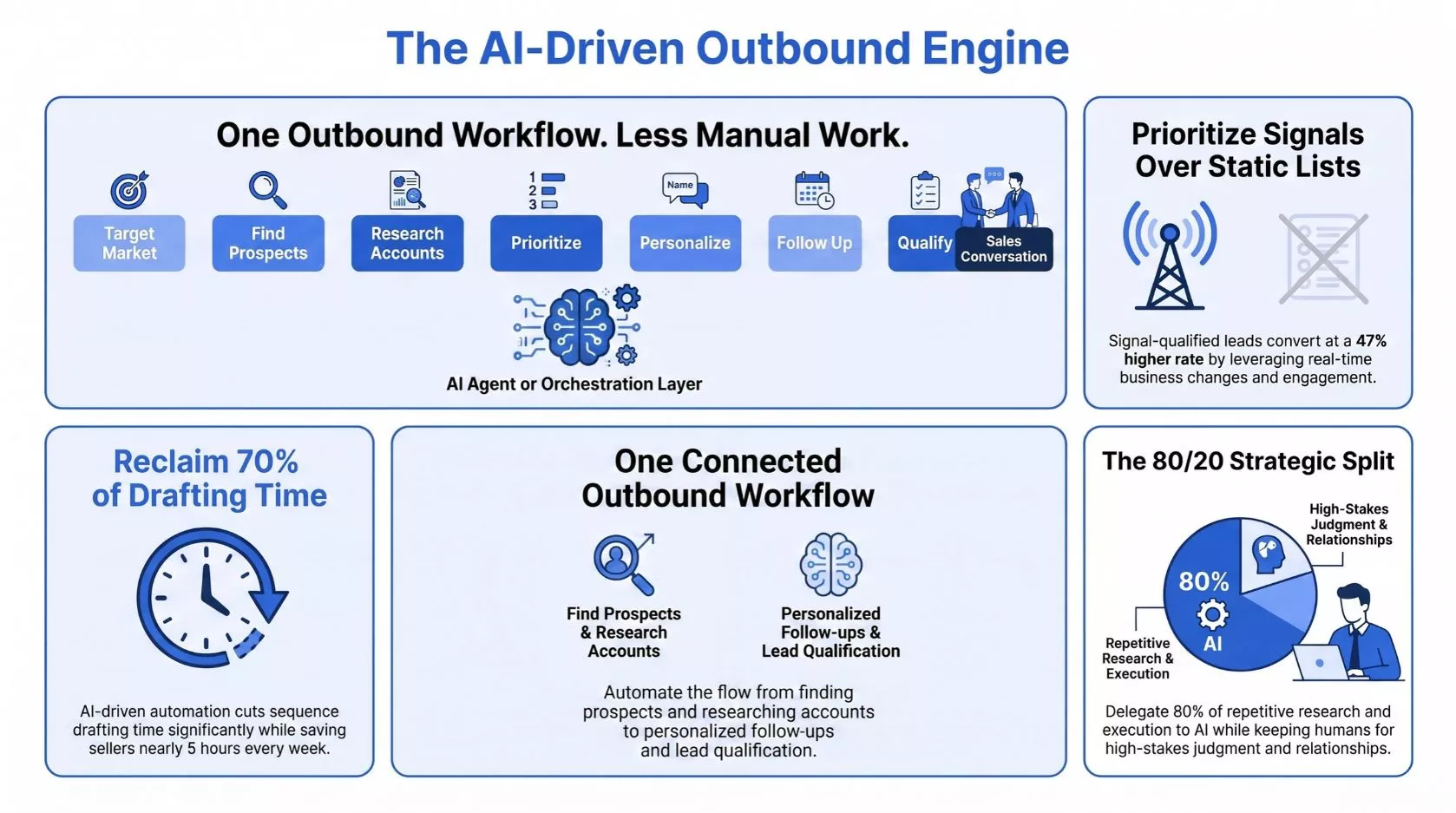
B2B outbound sales is becoming harder to manage manually. Sales teams still spend hours finding prospects, researching accounts, identifying decision-makers and keeping up with follow-ups. Benefits of AI in Sales go beyond saving time: better prospect research…
Experience Boost
Create. Deploy. Engage. With GetMyAI
Launch GPT-powered conversations that engage, support, and convert — all in one platform.
How Modern AI Chatbot Platforms Align with SOC 2 Requirements
Shubhendra Kartikeya
Apr 27, 2026
AI chatbot SOC 2 compliance
SOC 2 compliant AI chatbot
secure AI chatbot platform
Key Takeaways
SOC 2 compliance ensures AI chatbots operate securely, consistently, and meet enterprise expectations across dynamic, real-world environments.
Traditional compliance models fail for AI systems, requiring continuous monitoring, behavioral control, and real-time validation of outputs.
AI-specific risks like hallucinations, prompt injection, and data leakage demand stronger governance beyond infrastructure-level security controls.
Retrieval-based AI improves compliance by grounding responses in approved data, reducing hallucinations, and enabling audit-ready traceability.
Enterprises prioritize AI systems that demonstrate continuous control, audit readiness, and reliable performance over certification alone during evaluation.
Enterprises are rapidly deploying AI chatbots across support, sales, and internal workflows, but the expectations have shifted. It is no longer enough for these systems to respond quickly; they must operate within defined security, privacy, and governance boundaries. This is where SOC 2 becomes central to how modern AI chatbot platforms are evaluated and trusted.
Modern AI chatbot platforms align with SOC 2 requirements by implementing controls across the 5 core trust principles for AI chatbots, i.e., Security, Availability, Processing Integrity, Confidentiality, and Privacy. They enforce access controls (MFA, RBAC), apply input/output validation to reduce hallucinations, use encryption and data isolation for privacy, and maintain continuous monitoring systems to ensure reliable, auditable performance in enterprise environments.
What is the SOC 2 Type II Standard?
SOC 2 Type II is an audit standard that evaluates how consistently a system enforces security, privacy, and operational controls over time. For AI systems, it validates not just infrastructure, but how the system behaves under real usage conditions.
This certification model assesses whether a platform’s controls are designed correctly and operate effectively over a defined period, typically 3 to 12 months.
This makes it different from Type I, which only evaluates controls at a single point in time.
SOC 2 Type II measures the ongoing effectiveness of security and operational controls, not just their existence.
Point-in-Time vs Continuous Monitoring
Aspect
SOC 2 Type I
SOC 2 Type II
Evaluation
Single snapshot
Continuous over time
Risk Coverage
Limited
Real-world operational risk
AI Relevance
Low
High
Why SOC 2 Requirements Expand for AI-Driven Systems
AI chatbot platforms introduce risks that traditional SaaS systems do not:
Responses are non-deterministic
Inputs can be manipulated (prompt injection)
Outputs can expose unintended data
This forces SOC 2 requirements for AI to extend beyond infrastructure into:
Input validation
Output monitoring
Behavioral consistency
Traditional SaaS systems are predictable. AI systems are not. This is why the AI assistant SOC 2 certification focuses on behavior, not just system design. Enterprises evaluating an AI chatbot cannot rely on “secure hosting” claims alone. They must verify whether the system maintains consistent, controlled behavior over time, which is exactly what SOC 2 Type II is designed to prove.
Understand where your AI system stands today
Before diving deeper into compliance frameworks, evaluate how your current chatbot handles data, access, and responses in real conditions.
AI chatbot regulation has shifted from static compliance models to dynamic oversight because these systems generate unpredictable outputs. Enterprise chatbot compliance now depends on continuous monitoring, not one-time audits. Traditional SaaS compliance frameworks cannot fully address AI-specific risks like hallucinations and prompt manipulation.
Then vs Now: What Changed
Traditional systems followed fixed logic and predictable outputs
AI systems produce non-deterministic responses based on input context
Static audits validated infrastructure, not behavior
Modern compliance evaluates how systems perform over time
AI compliance now requires continuous validation of system behavior, not just infrastructure security.
Why Traditional Compliance Models Fall Short
Legacy compliance frameworks assume stable inputs, predictable outputs, and limited system variation. AI chatbots break these assumptions because they generate dynamic, context-dependent responses that change with each interaction. This introduces risks like unintended data exposure and inconsistent behavior across sessions. As a result, older compliance models fail to address how AI systems actually operate in production and cannot fully support modern enterprise chatbot compliance requirements.
Emergence of Continuous Compliance Monitoring
Modern AI systems require continuous monitoring to maintain compliance over time. Teams must track responses in real time, detect anomalies, and monitor performance drift to ensure consistent behavior. Static audits cannot capture these variations. AI-driven compliance tools now automate up to 80% of evidence collection, allowing systems to remain audit-ready without manual effort.
This shift reflects a move toward continuous validation, where compliance is maintained actively rather than verified periodically, defining how a compliance-based conversational AI platform sustains trust in real-world environments.
Enterprise Procurement Reality
Enterprises now treat compliance as a baseline requirement, not a feature. While 89% of enterprises have adopted AI tools, only 31% report having strong governance frameworks in place. This gap increases scrutiny during vendor evaluation and raises expectations for accountability. Buyers now prioritize platforms that demonstrate consistent control, audit readiness, and measurable security across real-world usage scenarios, making compliance a key decision factor rather than a secondary consideration.
The Hidden Risk Layer in AI Chatbots
AI chatbot risk does not come from infrastructure alone; it comes from how the model behaves in real interactions. These risks directly impact security, accuracy, and compliance.
Hallucinations: AI chatbots can generate responses that sound correct but are factually wrong or unsupported by data. This creates risk in regulated environments where inaccurate information can lead to compliance failures, customer mistrust, and operational errors.
Prompt Injection: Users can manipulate inputs to override instructions or extract unintended responses. Prompt injection attacks exploit the model’s flexibility, making it possible to bypass safeguards and retrieve sensitive or restricted information if controls are not enforced.
Data Leakage: AI systems may unintentionally expose sensitive or internal data through responses. This risk becomes critical when models access documents or knowledge bases, making strong controls essential for maintaining AI data privacy compliance.
Why These Risks Change Compliance Expectations
These risks shift compliance from infrastructure security to behavioral control. A secure AI chatbot platform must govern how responses are generated, not just where data resides. This means enforcing safeguards at the model level to ensure outputs remain accurate, appropriate, and aligned with enterprise expectations.
Secure conversational AI now depends on continuous monitoring of outputs, validation of inputs, and strict enforcement of model boundaries. These controls help prevent manipulation, reduce unexpected behavior, and ensure that interactions remain consistent, reliable, and compliant across different use cases and environments.
Compliance no longer focuses only on protecting systems and storage layers. It now requires ensuring that AI behavior remains controlled, predictable, and aligned with privacy and security standards. This shift makes AI data privacy compliance a critical component of modern strategies focused on behavioral oversight and risk management.
SOC 2 Trust Principles Applied to AI Chatbots
An AI chatbot under this compliance applies structured controls across core trust areas to ensure security, reliability, and accountability in real-world usage. These principles form the foundation of a conversational AI compliance framework designed for dynamic, non-deterministic systems.
Security (Access & Identity)
A SOC 2 compliant AI chatbot enforces identity-centric controls to restrict access to systems, data, and model endpoints. Multi-Factor Authentication (MFA) adds an additional verification layer, while Role-Based Access Control (RBAC) ensures users only access what is necessary. Identity lifecycle controls further manage provisioning and deprovisioning, reducing risks from inactive or compromised accounts across environments.
Processing Integrity (AI-Specific)
Input Validation: AI systems must validate incoming prompts to detect malicious patterns such as prompt injection attempts. Structured filters and safeguards help ensure that inputs do not manipulate the model into producing unintended or unsafe responses, maintaining consistent system behavior.
Output Monitoring: To ensure that responses remain accurate, relevant, and compliant. Systems track anomalies, detect hallucination patterns, and prevent the exposure of sensitive or incorrect information, helping maintain trust in AI-generated responses across different use cases.
Drift Detection: AI models can change behavior over time due to evolving inputs or data shifts. These detection systems continuously monitor performance and response quality, ensuring the model maintains consistency and does not degrade in accuracy or compliance standards.
Confidentiality & Privacy
Encryption ensures that data remains protected both in transit and at rest, reducing the risk of unauthorized access. Strong encryption practices are essential for maintaining trust when handling sensitive or regulated information across systems.
Personally Identifiable Information handling focuses on identifying, masking, or removing sensitive personal data such as name, email address, and phone number before it is processed or exposed. This reduces the risk of data leakage and supports compliance with privacy regulations in environments where AI interacts with user-generated inputs.
Availability
Availability ensures that AI chatbot systems remain accessible and responsive under varying conditions. Redundant infrastructure and failover mechanisms allow systems to handle traffic spikes or service disruptions without downtime, ensuring consistent performance and reliability in enterprise environments.
Build AI systems that stay compliant as they scale
It’s not just about meeting standards once. It’s about maintaining control as usage grows.
How Retrieval-Based AI (RAG) Supports SOC 2 Compliance
Retrieval-based AI (RAG) improves control by generating responses only from approved data sources. It reduces reliance on open-ended model generation and ensures answers are grounded in verified documents or knowledge bases. This approach directly supports processing integrity by limiting unpredictable outputs. As a result, it enables a more secure conversational AI system that behaves consistently across real-world interactions.
RAG also reduces hallucination risk by anchoring every response to the retrieved context. Instead of guessing, the model references existing information, which improves accuracy and traceability. This makes it a strong fit for regulated environments, especially as a compliant AI chatbot solution for SaaS companies that must maintain auditability, consistency, and controlled data usage.
Key Compliance Benefits of RAG
Limits responses to approved and auditable data sources
Reduces hallucinations by grounding outputs in a real context
Improves traceability of answers for audits and reviews
Ensures consistency across repeated user interactions
Supports processing integrity by controlling model behavior
How Enterprises Evaluate a SOC 2 Compliant AI Chatbot
Enterprises evaluate AI chatbot compliance by assessing whether the system maintains consistent control over data, access, and behavior under real-world conditions. The goal is not just certification, but proof that the system operates securely and predictably at scale. This is how buyers identify the best SOC 2-compliant AI chatbot platforms for enterprises based on real performance, not claims.
What Enterprises Evaluate Before Choosing
Data Handling
The system must clearly define how it stores, processes, and protects data. This includes encryption, isolation, and controls that prevent unauthorized exposure, especially in regulated environments.
Access Control
Strong identity management is required. Enterprises look for role-based access, authentication layers, and lifecycle controls to ensure only authorized users interact with sensitive systems and datasets.
Monitoring Capability
Continuous monitoring is essential. Teams expect visibility into conversations, anomaly detection, and performance tracking to ensure the system behaves consistently over time.
Audit Readiness
The platform must support reporting, logging, and traceability. Enterprises prioritize systems that can demonstrate compliance through structured data, not just claims.
Enterprises choose platforms that prove control, not just compliance. How to choose a SOC 2-compliant AI chatbot depends on evaluating real-world behavior, not documentation alone. A system that maintains consistent data protection, controlled access, and continuous monitoring becomes a reliable choice for long-term deployment.
Why Your Business AI Support Strategy Needs SOC 2
AI-driven support systems must operate with trust as a baseline requirement, not an added feature. An AI chatbot with SOC 2 compliance ensures that customer interactions, data handling, and system behavior meet defined security and privacy standards. Without this, businesses risk losing credibility and failing enterprise-level expectations.
Trust as a Business Requirement
Trust directly influences adoption and retention. Customers and enterprise buyers expect systems to protect data and deliver consistent, accurate responses. Enterprise chatbot compliance signals that the system operates within controlled boundaries, making it suitable for high-stakes environments where reliability and accountability are essential.
Impact of Breaches and Regulatory Pressure
The average cost of a data breach reached $4.88 million in 2024, increasing regulatory scrutiny across industries. Security failures in AI systems can expose sensitive data or generate incorrect outputs, amplifying risk. This makes an AI chatbot for enterprise security a critical requirement, where compliance reduces exposure by enforcing structured controls and ensuring responsible system behavior.
SOC 2 as a Revenue Enabler
SOC 2 is no longer just a cost center. It acts as a qualification filter in enterprise sales cycles. Organizations prefer vendors that demonstrate compliance upfront, reducing procurement friction and accelerating deal closure. Businesses that invest in compliance position themselves as reliable partners, enabling growth in regulated and enterprise markets.
Industries Where SOC 2 Compliant AI Chatbots Are Critical
Healthcare
Healthcare systems handle highly sensitive patient data, making compliance non-negotiable. AI chatbots in this space must ensure strict data protection, controlled access, and accurate responses. A secure AI chatbot platform for healthcare must prevent data leakage while maintaining reliability in patient interactions, where errors can directly impact outcomes and regulatory standing.
Finance
Financial institutions operate under strict regulatory frameworks where data accuracy and confidentiality are critical. Enterprise AI agents for finance must ensure secure transactions, prevent unauthorized data exposure, and maintain audit trails. Even minor inconsistencies can lead to compliance violations. This makes controlled behavior and strong safeguards essential for maintaining trust in high-risk financial environments.
SaaS
SaaS companies integrate AI chatbots into customer support, onboarding, and internal workflows. These systems often interact with user data across multiple tenants, increasing exposure risk. A compliant AI chatbot solution for SaaS companies must ensure data isolation, consistent behavior, and audit readiness to meet enterprise client expectations and pass vendor security reviews.
Enterprise IT
Enterprise IT teams deploy AI chatbots across internal systems such as HR, IT support, and knowledge management. These bots interact with sensitive operational data and employee information. Compliance ensures that access is controlled, interactions are logged, and system behavior remains predictable across use cases, supporting both security and operational efficiency.
Industry
Risk Sensitivity
Adoption Speed
Key Compliance Focus
Healthcare
Very High
Moderate
Data privacy, accuracy, and regulatory compliance
Finance
Very High
Moderate
Data security, audit trails, transaction integrity
SaaS
High
Fast
Data isolation, scalability, and enterprise readiness
SOC 2 has evolved from a compliance checkbox into a foundation for trust in AI-driven systems. What was once optional is now a mandatory requirement in enterprise decision-making. Businesses no longer evaluate AI tools only on performance, but on their ability to operate securely and consistently. The future of AI lies in continuous compliance and structured governance, where systems are monitored, controlled, and improved in real time. Organizations that embrace this shift position themselves for long-term credibility, scalability, and competitive advantage.
Ready to deploy AI agents that meet enterprise compliance standards?
Move beyond theory. Build, test, and deploy AI agents designed for secure, scalable, real-world use.
Why is SOC 2 important for enterprise AI chatbots?
SOC 2 is important because enterprise AI chatbots handle sensitive data and operate in dynamic environments. It ensures systems follow defined security, privacy, and control standards, helping businesses reduce risk, build trust, and meet enterprise procurement requirements.
How to choose a SOC 2-compliant AI chatbot?
Choose a SOC 2-compliant AI chatbot by evaluating data handling practices, access controls, monitoring capabilities, and audit readiness. Focus on systems that demonstrate consistent behavior, strong security controls, and the ability to maintain compliance over time.
How does SOC 2 improve AI chatbot data security?
SOC 2 improves AI chatbot data security by enforcing structured controls such as encryption, access management, and monitoring. It ensures data is protected during processing and storage, while also reducing risks like unauthorized access and unintended data exposure.
How do enterprises evaluate AI chatbot compliance?
Enterprises evaluate AI chatbot compliance by assessing data protection, access control, monitoring systems, and audit capabilities. They prioritize platforms that show consistent performance, traceability, and the ability to maintain secure and controlled operations in real-world conditions.
Will our customer data be used to train your general AI models?
No, customer data is not used to train general AI models. Data is processed only within the defined environment and remains isolated to your use case. This ensures confidentiality and prevents unintended data exposure across systems.
How is access controlled for different users and agents?
Access is controlled through role-based permissions and authentication layers. Each user or agent is assigned specific access levels, ensuring they can only interact with relevant data and functions. This reduces unauthorized access and maintains operational security.
Are there detailed audit logs for every AI interaction?
Yes, systems maintain detailed logs of every interaction, including inputs, outputs, timestamps, and sources. These logs support monitoring, troubleshooting, and compliance audits by providing full visibility into how the AI system behaves in real-world scenarios.
Written by
Shubhendra Kartikeya
Technical Content Writer
I've spent quite some time writing technical content in the AI SaaS industry. I provide technical and SEO content writing services across a wide variety of industries, primarily B2B AI SaaS, tech, and marketing. I focus on writing pieces people want to read while also making them visible in AI search engines. At GetMyAI, I turn the platform's AI capabilities into content people can understand and trust. Outside of writing, I spend my time reading up on industry trends and business books.
We’ve noticed that a surprising amount of a sales rep’s day is still spent preparing to sell rather than actually selling. Building lists, researching accounts, finding the right contacts, writing outreach and chasing follow-ups can consume hours before a mean…
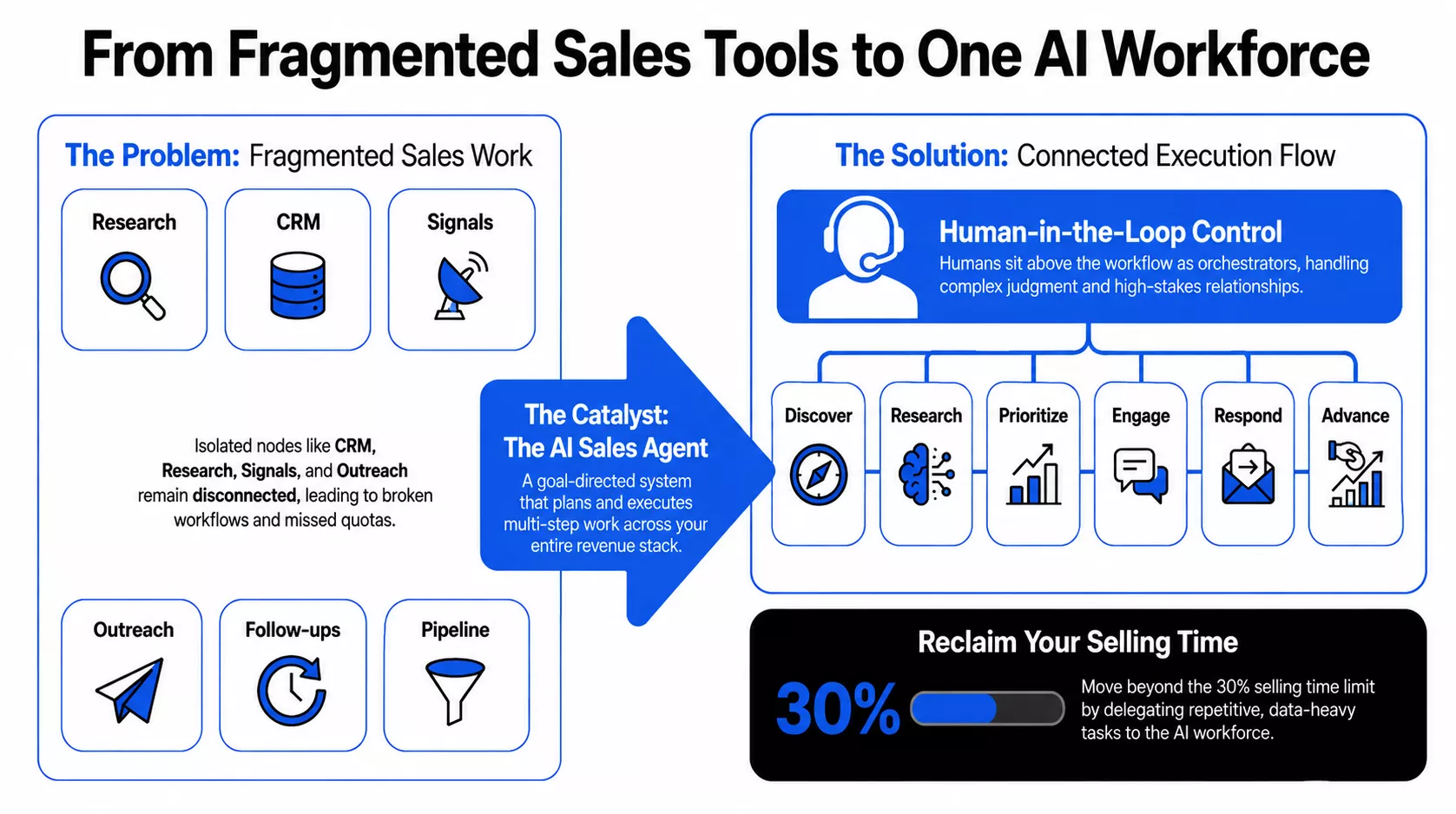
Sales teams have more AI than ever, yet the productivity problem remains. Sales AI Agents can take repetitive work off your team's plate, but adding another tool does not automatically improve execution. In 2026, 78% of B2B sellers missed quota in 2025, w…