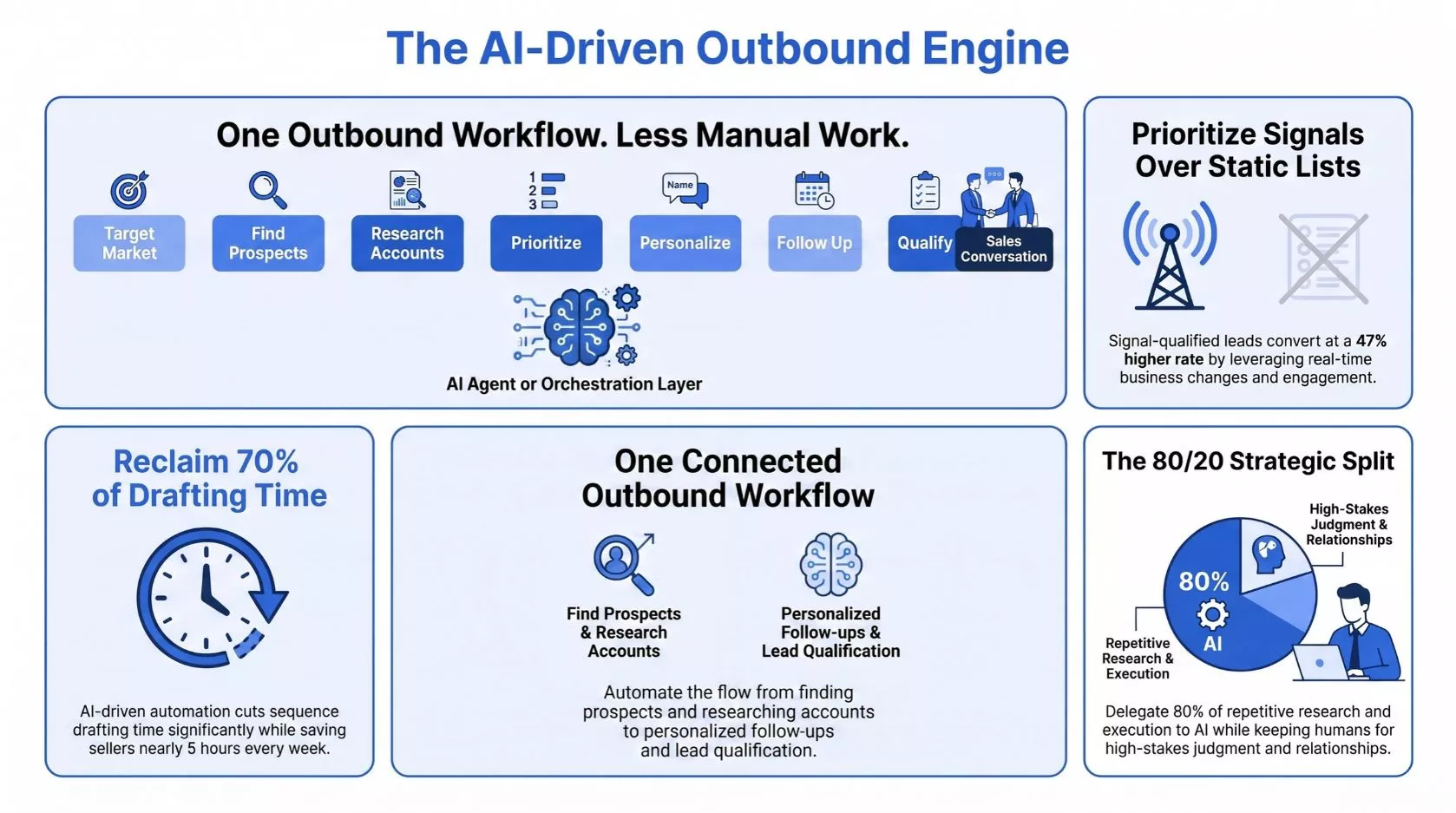
B2B outbound sales is becoming harder to manage manually. Sales teams still spend hours finding prospects, researching accounts, identifying decision-makers and keeping up with follow-ups. Benefits of AI in Sales go beyond saving time: better prospect research…
Experience Boost
Create. Deploy. Engage. With GetMyAI
Launch GPT-powered conversations that engage, support, and convert — all in one platform.
Logistics Chatbot: Top Use Case Examples and Benefits
getmyai
May 8, 2026
AI chatbot for logistics
logistics AI chatbot solution
logistics customer service chatbot
AI customer support for logistics
logistics automation chatbot
Key Takeaways
AI chatbots help logistics businesses automate repetitive shipment communication and reduce operational support bottlenecks across transportation workflows.
Real-time shipment tracking and delivery coordination improve customer transparency while reducing repetitive support requests significantly.
Logistics AI systems increasingly support both customer-facing communication and internal operational coordination simultaneously.
AI-assisted logistics workflows improve warehouse productivity, delivery efficiency, and operational visibility across high-volume transportation environments.
Scalable conversational AI helps logistics businesses manage seasonal demand spikes without significantly increasing temporary staffing overhead.
Logistics companies process thousands of repetitive support interactions every day, ranging from delivery delays and ETA requests to inventory queries and driver coordination. Businesses increasingly use a logistics AI chatbot solution to centralize these interactions, reduce operational slowdowns, and maintain consistent communication across transportation, warehousing, and customer support teams. As shipment volumes grow and customers expect faster updates, manual coordination becomes harder to sustain across channels. AI-driven conversational systems help logistics teams manage real-time communication without increasing support load or disrupting operational workflows.
An AI chatbot for logistics is used to automate shipment communication, delivery updates, warehouse support, freight inquiries, and logistics coordination through conversational AI workflows. Logistics businesses deploy AI chatbots to improve customer experience, reduce support ticket volume, automate operational tasks, and maintain real-time communication across supply chain and transportation systems.
Top Logistics Chatbot Use Cases
An AI chatbot for customer support helps logistics businesses automate shipment communication, delivery updates, warehouse coordination, and operational support through conversational workflows. Logistics companies increasingly deploy AI systems to reduce support pressure, improve shipment visibility, and maintain faster communication across transportation and supply chain operations.
1. Real-Time Shipment Tracking and ETA Updates
One of the largest operational burdens in logistics is handling repetitive “Where Is My Order?” requests. Industry research shows these WISMO queries can account for up to 50% of inbound customer support conversations.
A logistics chatbot with shipment tracking connects directly with transportation systems to provide:
Live shipment visibility
Dynamic ETA updates
Proactive delay notifications
Route-aware delivery estimates
Modern AI systems can automate up to 80% of repetitive tracking queries without human intervention. This reduces support load while improving customer transparency. Faster tracking responses reduce customer frustration and allow support teams to focus on delivery exceptions instead of routine status checks.
2. Automated Delivery Rescheduling
Automated delivery rescheduling helps logistics companies reduce failed drop-offs, repeated delivery attempts, and rising last-mile operational costs. Traditional delivery systems often struggle to adapt once shipments are already in transit, which creates delays and customer frustration.
A modern chatbot for transportation management system can automatically offer new delivery windows, confirm customer availability, and coordinate updated drop-off timing without manual dispatcher involvement. This way, logistics providers respond faster when delivery conditions change unexpectedly.
An AI chatbot for freight and shipping support can handle mid-route delivery adjustments while updating customers in real time. Research shows automated rescheduling systems can reduce failed delivery overhead by 20–25%, improving fuel efficiency, driver productivity, and overall delivery coordination.
3. Instant Freight Quoting and Lead Qualification
For logistics providers competing on speed and responsiveness, quote automation directly affects conversion rates. Traditional freight quoting often depends on manual email exchanges, delayed approvals, and fragmented cargo information.
A lead generation chatbot for logistics can collect:
Cargo dimensions
Weight details
Destination information
Pickup timelines
The AI then generates freight estimates instantly while qualifying high-intent leads for sales teams. This shortens the sales cycle significantly and reduces lead drop-off caused by slow response times.
4. Warehouse and Inventory Assistance
Warehouse operations rely heavily on fast coordination, accurate picking, and efficient navigation across fulfillment environments. An AI chatbot for supply chain management helps warehouse teams locate SKUs, navigate warehouse layouts, and onboard seasonal workers faster. Research shows AI-assisted warehouse systems can improve warehouse productivity by up to 25%.
Inventory visibility becomes more effective when logistics teams access stock information in real time across operations. A logistics automation chatbot helps staff verify inventory levels instantly, confirm stock availability, and reduce delays caused by manual inventory checks. Faster inventory access improves fulfillment accuracy while reducing picking mistakes and operational communication bottlenecks.
5. Driver Support and Fleet Issue Reporting
Logistics drivers often delay reporting minor vehicle issues because traditional reporting workflows interrupt active delivery schedules. Problems like brake wear, tire pressure issues, unusual engine sounds, or route delays frequently remain unreported when drivers rely on calls, paperwork, or manual dispatcher coordination during transportation operations.
Delayed reporting creates larger operational risks across logistics fleets. Small maintenance problems often escalate into breakdowns, missed shipment commitments, delivery disruptions, and expensive emergency repairs. Dispatch teams also lose operational visibility when updates remain fragmented across calls, spreadsheets, and disconnected reporting systems during active transportation workflows.
Today, AI assistants for logistics companies are improving fleet reporting through conversational workflows. Drivers can instantly report issues, log delays, receive onboarding guidance, and access route-related support through chat. Research shows AI-assisted predictive maintenance systems can reduce fleet downtime by 10–15% through earlier issue identification.
6. Customs Documentation and Compliance Guidance
International logistics operations involve complex customs paperwork, shipping declarations, invoices, and compliance requirements. Even small documentation mistakes can delay shipments, trigger penalties, or result in rejected cargo at borders. Manual verification processes also slow down international transportation workflows and increase administrative pressure on logistics teams handling large shipment volumes.
AI-powered logistics support systems can:
Guide users through documentation workflows
Validate required fields automatically
Assist with OCR-based document verification
Reduce manual processing and data entry errors
Reducing paperwork delays helps shipments move through customs faster, lowers the risk of compliance issues, and reduces the amount of manual checking required from logistics teams.
7. Returns and Reverse Logistics Automation
Returns are one of the most operationally expensive parts of logistics and e-commerce fulfillment. Teams often manage return approvals, refund tracking, label generation, inventory updates, and customer communication across multiple systems, which slows down resolution times and increases support workload.
A logistics automation chatbot helps simplify reverse logistics workflows by handling repetitive return-related interactions automatically.
Common return workflows handled by AI include:
Validating return eligibility
Generating return labels or QR codes
Sharing refund status updates
Providing automated return instructions
Research shows chatbots can resolve nearly 60% of return-related inquiries without human support. Faster return handling reduces pressure on support teams while giving customers clearer visibility into refund and return processes.
8. Internal Team Coordination and Operational Communication
Before AI-driven coordination systems, logistics teams relied heavily on calls, emails, spreadsheets, and disconnected updates between warehouses, dispatchers, and suppliers. Shipment delays, inventory shortages, and route changes often moved slowly across departments, creating communication gaps and operational inefficiencies during active transportation workflows.
Today, AI systems integrated into platforms like Slack support supplier coordination, operational escalations, inventory communication, and workflow assistance from one centralized conversational layer. AI agents now help logistics organizations maintain faster internal coordination across both operational teams and customer-facing support environments simultaneously.
Build Smarter Logistics Support Workflows
Deploy AI-driven shipment coordination and operational support across logistics communication channels.
The best AI chatbot for logistics companies should improve shipment visibility, operational coordination, customer communication, and internal support without increasing manual workload. Decision-makers should evaluate whether the platform supports both customer-facing logistics workflows and internal operational processes across multiple logistics environments.
Core Customer Support Features
Real-Time Shipment Tracking: An enterprise AI chatbot for shipment tracking and support should provide live delivery updates, dynamic ETAs, and proactive notifications during delays or disruptions.
Proactive Notifications: The platform should automatically notify customers about shipment delays, delivery changes, failed attempts, or updated arrival windows before support requests increase.
Context Retention: A logistics chatbot should remember previous interactions so customers and operations teams do not repeatedly explain shipment issues or delivery requirements.
Human Escalation Workflows: AI-powered logistics support should transfer high-priority or complex delivery issues to human teams while preserving conversation history and shipment context.
Operational Features
Inventory and Warehouse Visibility: A logistics automation chatbot should help warehouse teams check stock availability, locate SKUs, and improve fulfillment coordination during high-volume operations.
Documentation Assistance: The platform should support customs paperwork validation, shipping documentation guidance, and OCR-assisted verification to reduce delays caused by manual errors.
Delivery Coordination: The chatbot should support delivery scheduling, route coordination, failed delivery handling, and rescheduling workflows across transportation operations.
Internal Support Workflows: Internal logistics teams should access operational updates, supplier communication, and escalation workflows directly through conversational interfaces like Slack.
AI and Integration Features
NLP-Based Understanding: The platform should understand natural language queries, shipment-related intent, and operational terminology instead of relying on rigid command-based interactions.
Multilingual Support: A multilingual AI chatbot helps logistics providers support international customers, drivers, warehouse teams, and suppliers across multiple regions and languages.
API Integrations: Strong AI chatbot integrations allow the chatbot to exchange live shipment, inventory, warehouse, and delivery information with existing logistics systems.
Cross-Channel Deployment: An AI chatbot should operate consistently across websites, messaging channels, and internal operational environments without fragmented customer experiences.
Performance and Scalability Features
Always-On Support: A 24/7 AI customer support chatbot helps logistics businesses maintain continuous shipment assistance, operational communication, and customer support without staffing limitations across active transportation environments.
Analytics and Reporting: Analytics should help teams monitor support trends, shipment-related conversations, operational gaps, and frequently unresolved logistics issues over time.
Multi-Location Support: The platform should support multiple warehouses, transportation hubs, regional operations, and distributed logistics teams from one centralized environment.
High-Volume Conversation Handling: AI-driven route optimization and operational automation can reduce fuel costs by over 15% while helping logistics teams manage conversations at scale.
Centralize Logistics Communication Across Teams and Operations
Track shipment conversations, operational workflows, and AI activity from one organized logistics environment.
Logistics volumes can increase dramatically during peak periods such as Black Friday, holiday fulfillment cycles, or large-scale delivery disruptions. Traditional support teams often struggle to handle sudden increases in shipment inquiries, delivery coordination requests, and operational communication without adding temporary staffing and higher operational costs.
Modern AI customer support for logistics helps businesses absorb these demand spikes through scalable conversational workflows. Instead of expanding support teams during seasonal surges, AI systems can manage large volumes of repetitive shipment updates, ETA requests, rescheduling coordination, and operational communication simultaneously. An enterprise chatbot for transportation companies also helps maintain faster response times and consistent customer communication during high-volume periods while protecting operational margins from temporary staffing overhead.
Real-World Impact: UPS Authorized Service Provider
During peak logistics periods, the company struggled with rising shipment inquiries, manual CRM updates, customs documentation handling, and repetitive delivery coordination requests. Support teams relied heavily on calls, emails, and manual workflows, which slowed response times and increased operational pressure during seasonal demand spikes.
After implementing AI-driven logistics workflows connected directly to shipment and customs systems, the company transformed how high-volume operations were managed.
Operational improvements included:
Automation rates increased from 30% to 70%
More than 2,000 operational work hours saved per month
Real-time customs document validation
Delivery preference and address updates through WhatsApp workflows
Faster shipment coordination without increasing support headcount
This shift allowed the company to maintain operational consistency during seasonal surges while reducing dependency on temporary staffing. An enterprise chatbot for transportation companies helps logistics businesses scale communication and operational coordination without proportionally increasing overhead costs.
The Future of Logistics AI: How the 7Cs of Logistics Are Evolving with AI Chatbots
The future of logistics AI is no longer centered only around automation. Logistics businesses are now using AI-driven systems to improve coordination, visibility, communication, and operational decision-making across the supply chain. Traditional logistics frameworks like the 7Cs are increasingly being reshaped by conversational AI for logistics operations, where AI agents actively participate in customer communication, shipment coordination, warehouse support, and transportation workflows.
Industry forecasts also suggest AI agents may autonomously resolve up to 80% of customer service interactions by 2029, showing how rapidly logistics operations are moving toward AI-assisted coordination models.
7Cs of Logistics
How AI Chatbots Are Transforming Logistics
Connect
AI agents connect warehouses, dispatchers, drivers, suppliers, and customers through centralized communication across logistics platforms and operational workflows.
Create
AI-driven workflows create faster responses during shipment delays, failed deliveries, route disruptions, and inventory-related operational challenges.
Customize
AI systems personalize shipment updates, delivery instructions, and communication experiences based on customer preferences, language, and operational context.
Coordinate
AI agents coordinate dispatch operations, warehouse communication, supplier updates, and transportation workflows through centralized operational visibility systems.
Consolidate
AI-powered logistics environments consolidate shipment tracking, support operations, analytics, and warehouse coordination into unified operational workflows.
Collaborate
Logistics teams increasingly collaborate with AI systems for issue handling, operational communication, supplier coordination, and transportation management support.
Contribute
AI contributes to logistics efficiency, scalability, sustainability, predictive planning, and route optimization while reducing fuel and operational costs.
5 Emerging Trends Shaping the Future of Logistics AI
Several operational trends are expected to shape the next phase of logistics AI adoption:
Predictive AI systems that identify disruptions before delays occur
Agentic AI models capable of handling multi-step logistics decisions
Multimodal support using voice, text, images, and shipment documents
AI-assisted last-mile optimization for delivery coordination
Carbon-aware logistics workflows focused on sustainability tracking
The future of logistics AI is moving beyond customer support automation. AI agents are increasingly becoming operational coordination systems embedded directly into logistics infrastructure.
How GetMyAI Helps Logistics Businesses Deploy AI Agents at Scale
Deploying AI in logistics operations requires more than adding a chatbot to a website. Logistics businesses need systems that support shipment coordination, warehouse communication, operational visibility, and continuous improvement across fast-moving environments. GetMyAI helps logistics teams operationalize AI agents across customer-facing and internal workflows without creating disconnected processes.
Multi-Channel Logistics Communication
GetMyAI allows logistics businesses to deploy AI agents across websites and communication channels. This helps dispatch teams, warehouse staff, suppliers, and customers communicate through familiar channels while maintaining centralized operational visibility.
Train AI Agents Using Real Logistics Workflows
Teams can train AI agents using:
Shipment policies
Warehouse SOPs
Delivery procedures
Freight FAQs
Internal operational documents
This helps AI agents respond using actual logistics processes instead of generic responses, which is critical in transportation and supply chain environments.
Teams can review real conversations, identify operational gaps, and improve AI responses using actual logistics interactions.
Built for Operational Flexibility
GetMyAI also supports:
Website chatbot preview inside Playground
Public and private deployment control
High-volume conversation handling
Meeting booking through Calendly, Google Calendar, and Cal.com
This allows logistics businesses to scale AI-assisted coordination while maintaining operational control across customer support and internal communication workflows.
Improve Logistics Communication and Coordination
Connect shipment updates, warehouse workflows, and transportation support through scalable AI-driven conversations.
AI improves supply chain customer support by automating shipment updates, delivery coordination, inventory communication, and repetitive inquiries while helping logistics teams maintain faster response times and operational visibility across transportation workflows.
How much does a logistics chatbot cost?
Logistics chatbot costs depend on deployment scale, integrations, conversation volume, operational complexity, and AI capabilities. Businesses typically choose pricing models based on support demand, channels, and required logistics automation workflows.
Can logistics chatbots integrate with TMS and WMS?
Yes. Modern logistics chatbots can integrate with transportation management systems and warehouse management systems to provide real-time shipment tracking, inventory visibility, operational updates, and automated logistics coordination workflows.
Is AI chatbot software worth it for logistics companies?
AI chatbot software helps logistics companies reduce repetitive operational workload, improve shipment communication, automate support processes, and maintain scalable customer coordination without proportionally increasing support staffing during high-volume periods.
Can AI chatbots support internal logistics teams as well?
Yes. AI chatbots increasingly support dispatchers, warehouse staff, drivers, and operations teams through centralized communication, inventory coordination, issue reporting, workflow assistance, and operational escalation management across logistics environments.
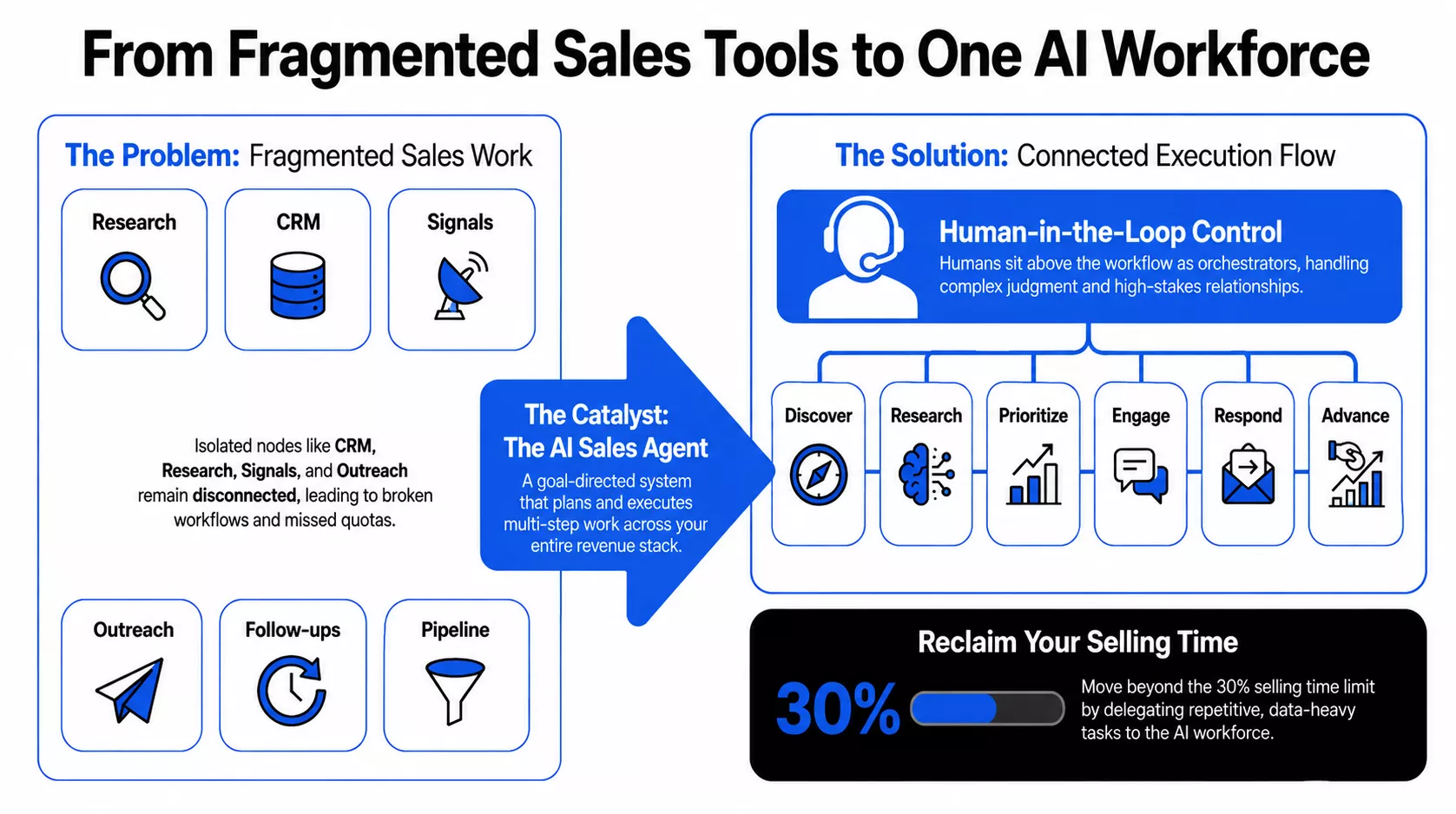
We’ve noticed that a surprising amount of a sales rep’s day is still spent preparing to sell rather than actually selling. Building lists, researching accounts, finding the right contacts, writing outreach and chasing follow-ups can consume hours before a mean…
Sales teams have more AI than ever, yet the productivity problem remains. Sales AI Agents can take repetitive work off your team's plate, but adding another tool does not automatically improve execution. In 2026, 78% of B2B sellers missed quota in 2025, w…