Why Every E Commerce Store Needs a Shopping Assistant Chatbot in 2026

Key Takeaways
- AI shopping assistants understand shopper intent, not just keywords, making product discovery faster and significantly more relevant.
- Always-on conversational support directly increases conversions and delayed responses cost sales, especially on mobile.
- Cart recovery works best when the intervention is personalized to the reason for abandonment, not just a blanket discount.
- Every post-purchase interaction is an opportunity to build loyalty, increase order value and drive repeat purchases.
- Brands without real-time conversational support are accumulating competitive debt that compounds harder to recover from each quarter.
Online retail is moving away from static search bars and filter-heavy product discovery toward conversational buying experiences powered by AI. Shoppers now want faster answers, personalized recommendations and help finding products without browsing endless pages. A modern conversational AI assistant for e-commerce helps customers discover products through natural language conversations, product comparisons and real-time guidance across websites, mobile devices and messaging channels. As AI-first commerce grows in 2026, e-commerce brands face rising pressure to improve buying experiences, increase conversions and keep shoppers engaged throughout the customer journey.
An AI shopping assistant is a conversational AI system that helps e-commerce businesses guide shoppers through product discovery, recommendations, comparisons, cart recovery and purchase decisions in real time. In 2026, AI assistants for e-commerce have become essential for delivering 24/7 personalized shopping experiences that improve conversions, increase average order value (AOV), reduce support costs and strengthen customer retention.
What an AI Shopping Assistant Chatbot Actually Is
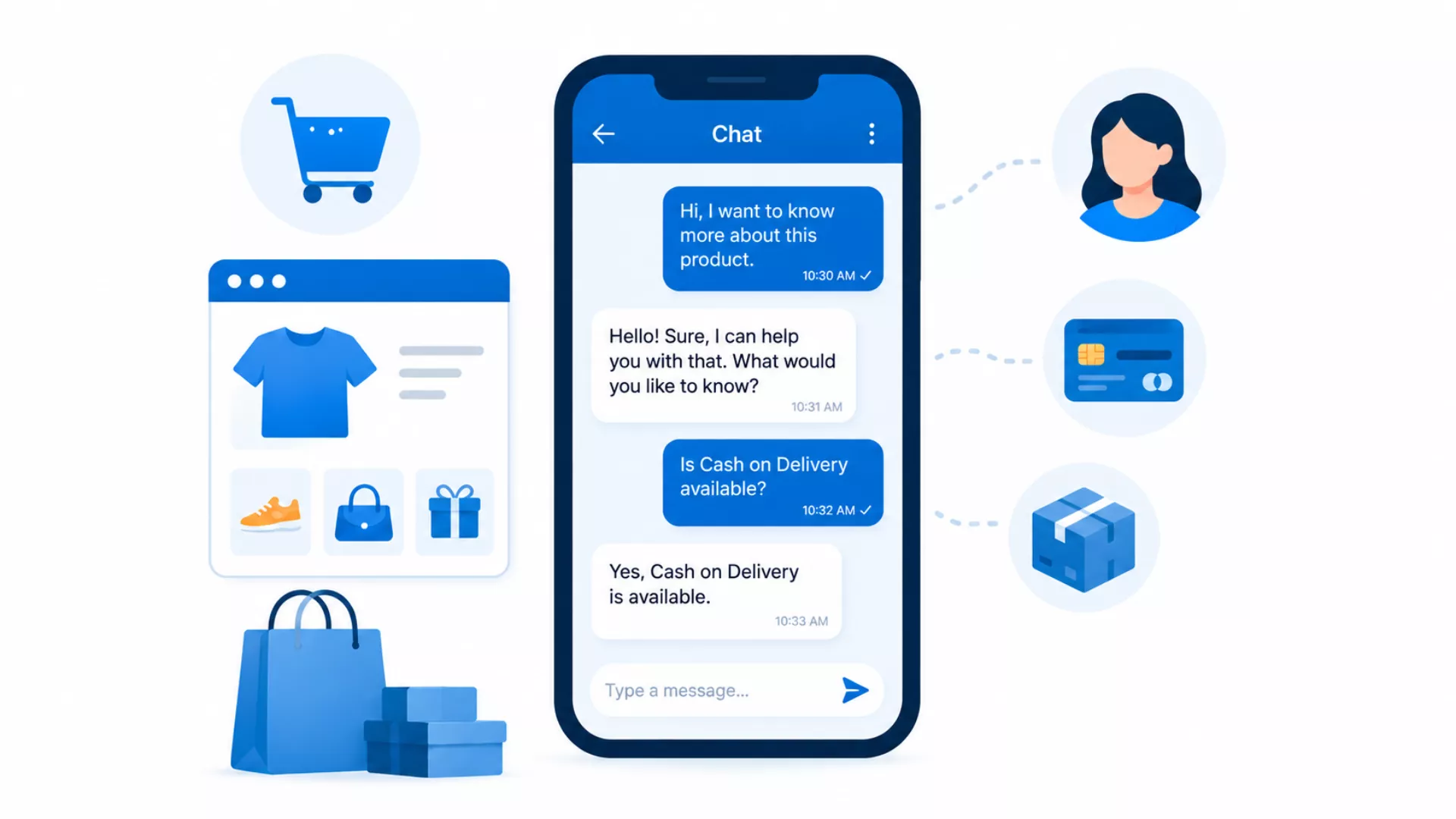
An AI assistant for online stores is a conversational system that helps shoppers discover, compare and purchase products through natural dialogue, acting like a digital retail associate rather than a search bar.
Unlike rigid, keyword-dependent chatbots, modern assistants understand intent, context and behavior. A shopper can say "something flowy for a summer wedding under $100" and receive relevant recommendations instantly, no filters, no guesswork.
These assistants handle product recommendations, comparisons, cart recovery, order tracking, FAQs and personalized offers, all within a single conversation.
What Makes AI Shopping Assistants Different?
The core difference is that intelligence overrules. Traditional chatbots follow fixed scripts that break the moment a customer goes off-path. AI assistants recognize meaning, not just keywords.
They also remember context. So if a shopper asks for matching shoes after browsing dresses, no repetition is needed. And they're proactive, detecting hesitation or abandonment signals and stepping in before a sale is lost.
The result: a smarter, more human shopping experience.
Why Shopping Assistant Chatbots Are Essential in 2026
E-commerce has never been more competitive and more demanding. Customers browse your website with higher expectations, shorter patience and more options than ever. Meanwhile, brands are caught between rising operational costs and shrinking margins, trying to do more with less.
Add mobile-first shopping behavior into the mix, where decisions happen fast and slow experiences lose sales. It has become clear that the stores winning in 2026 aren't just listing the best products. They're also providing smarter customer experiences with AI.
Customers Expect Instant Responses 24/7
Modern shoppers won't wait. If an answer isn't immediate, they move on. A 24/7 support chatbot works around the clock, keeping buyers engaged when it matters most. With 82% preferring chatbots over queues, always-on availability directly drives trust and conversions.
E-commerce Personalization Is Now Expected
Generic experiences lose sales. Shoppers expect relevance and an AI chatbot for e-commerce personalization delivers it by reading intent signals, behavior and purchase history. 76% of consumers expect personalization and brands that act on it are seeing 15–30% conversion lifts alongside stronger retention.
Always On, Always Selling
Your store should be converting at 2 AM just as well as 2 PM.
Cart Abandonment Requires Real-Time Intervention
Nearly 70% of carts are abandoned globally. Follow-up emails arrive too late. With abandoned cart recovery chatbot, e-commerce businesses are catching up as it happens, using exit-intent prompts and free shipping nudges to re-engage shoppers instantly. Brands are recovering 10–20% of otherwise lost carts this way.
Support Costs are Increasing, But Budgets aren't
Repetitive inquiries consume agent hours that belong elsewhere. AI assistants handle up to 80% of routine questions independently, delivering 30–40% operational savings and contributing to a projected $80 billion in industry-wide labor savings, while human agents focus on conversations that genuinely need them.
AI Shopping Assistants Increase Average Order Value (AOV)
When a shopper finds what they need, that is the right moment for a relevant suggestion. AI assistants use full session context to recommend complementary products and dynamic bundles naturally. Brands consistently report 10–20% AOV increases without any aggressive selling involved.
Omnichannel Shopping Requires Unified Conversations
Shoppers move between mobile, messaging apps and desktop constantly. AI chatbot integrations maintain full conversation context across every channel, so customers never repeat themselves. That continuity makes interactions feel seamless and builds the kind of consistency that keeps people coming back.
Top AI Shopping Assistant Chatbot Use Cases in E-commerce
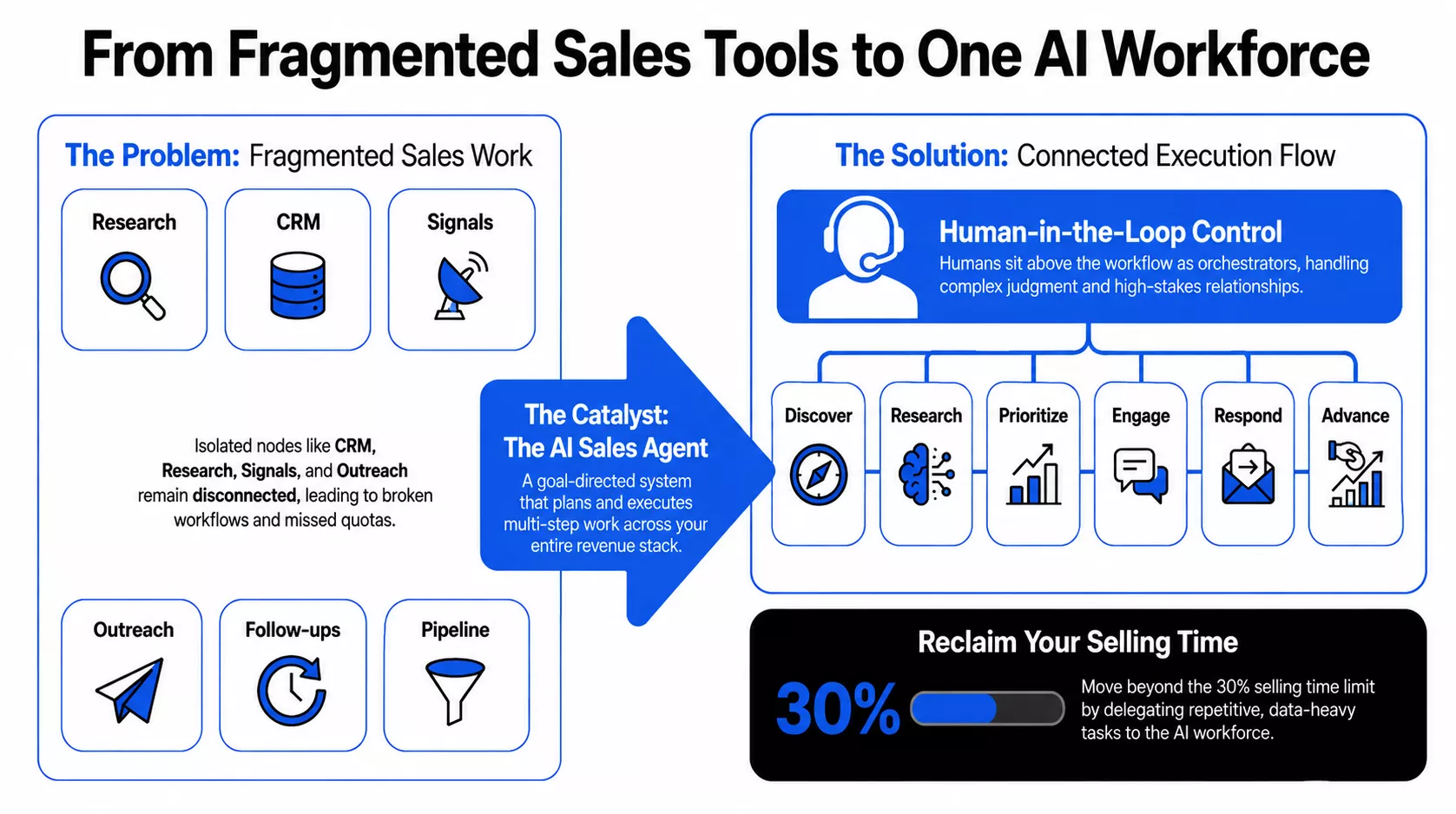
Most businesses deploy chatbots to cut support costs. That's the obvious use, not the best. The real AI chatbot use cases for e-commerce are all around revenue generation, conversion optimization and automation. Every interaction either moves a buyer forward or recovers one who was about to leave.
Here's what AI shopping assistants are now capable of.
1. Product Recommendations
AI chatbot for product recommendations has moved well past "customers also bought." In 2026, it's intent-aware discovery. The assistant reads what a shopper means, not just the word they type.
Instead of browsing 15 tabs to compare specs or looking at "People who bought this also bought..." suggestions, shoppers get guided directly to what fits their goal, budget and context. Semantic matching connects conversational descriptions to relevant products instantly.
- Personalized discovery based on live intent signals
- Guided recommendations that narrow choices without overwhelming
- Semantic matching between natural language and product catalogs
59% of online shoppers say AI-driven personalization makes it significantly easier to find products matching their purchase history and current intent.
2. Order Tracking
The post-purchase silence is where trust erodes. "Where is my order?" queries takes 40–70% of all support tickets and every single one is repetitive.
AI assistants eliminate that volume. More importantly, advanced integrations now monitor carrier data proactively, flagging delays before customers raises a ticket, giving them assurance and reliable information both before it worries them.
| Without AI | With AI |
| Customer contacts support | AI monitors shipment automatically |
| Agent looks up order manually | Exception events trigger proactive updates |
| Response delayed | Customer informed before asking |
62% of post-purchase contacts are status checks, a volume that is really easy to handle by using an AI chatbot to reduce support tickets.
3. Cart Recovery
Blanket discount codes are a margin problem disguised as a recovery strategy. Sending 10% off to every abandoning shopper trains buyers to leave carts just to get a deal.
AI assistants make the distinction between price sensitivity and simple distraction, then respond accordingly. A personalized reminder for one, an incentive for the other. Personalized CTAs convert at better rates than generic triggers. AI now recovers 1 in 5 carts without touching discount margins at all.
4. Customer Support Automation
An AI chatbot for customer support in 2026 acts. Return policy questions don't end with a link. The assistant initiates the return, generates the QR code and updates the CRM without a human in the loop.
This is agentic support with full resolution for the customer, not just information.
What gets automated:
- Shipping and delivery questions
- Return and refund requests
- Policy clarifications
- Stock availability checks
- Promotional FAQs
AI handles up to 79% of standard questions and 69% of consumers now prefer bots for quick, factual replies over waiting for a human agent.
5. Product Comparison Assistance
Comparison shopping is a stall for buyers, just a reason for delaying purchase. Opening multiple tabs, reading spec sheets, second-guessing choices. This is where decisions go to die.
AI assistants bring that process into a single conversation. A shopper can ask, "What's the difference between these two laptops for video editing?" and get a clear, context-aware answer immediately.
42% of shoppers prefer comparison-driven discovery when making considered purchases and those who get it convert faster with fewer returns.
Side-by-side feature breakdowns, use-case differentiation and honest trade-off explanations all happen within the same session, keeping buyers moving forward rather than bouncing elsewhere.
6. Personalized Offers
Generic promotions get ignored. Intent-based offers get acted on.
AI assistants identify where a shopper is in their decision, whether they are just browsing, comparing, or hesitating about something. E-commerce shopping assistants deliver the right incentive at the right moment. That might be a bundle discount, early access or a loyalty reward, depending on behavioral signals.
The result: 27% higher conversion efficiency compared to static promotional campaigns. Dynamic promotions tied to real-time behavior consistently outperform scheduled, one-size-fits-all offers because they feel earned rather than broadcast.
7. FAQ Automation
Simple questions asked at the wrong moment kill sales. A shopper ready to check out who can't quickly confirm a return policy will leave. AI assistants resolve that instantly, no wait, no ticket, no queue.
What shoppers ask most:
- Shipping timelines and costs
- Return and exchange policies
- Size guides and fit questions
- Payment options
- Promotional terms
69% of consumers prefer bots for quick factual replies. Self-service experiences built around instant answers reduce support load while keeping buyers on the path to purchase.
8. Post-Purchase Engagement
The checkout confirmation is not the finish line. It's the opening of the next conversation. Most retailers forget everything after the sale. AI assistants don't.
The unboxing moment is one of the highest-engagement windows a brand has. Using it to educate, like styling guides, care instructions and complementary product ideas, builds loyalty rather than leaving buyers to figure things out alone.
86% of customers are more likely to stay loyal to brands that invest in post-purchase education. Repeat purchase recommendations, reorder reminders and loyalty nudges all extend customer lifetime value without requiring new acquisition spend.
9. Lead Qualification
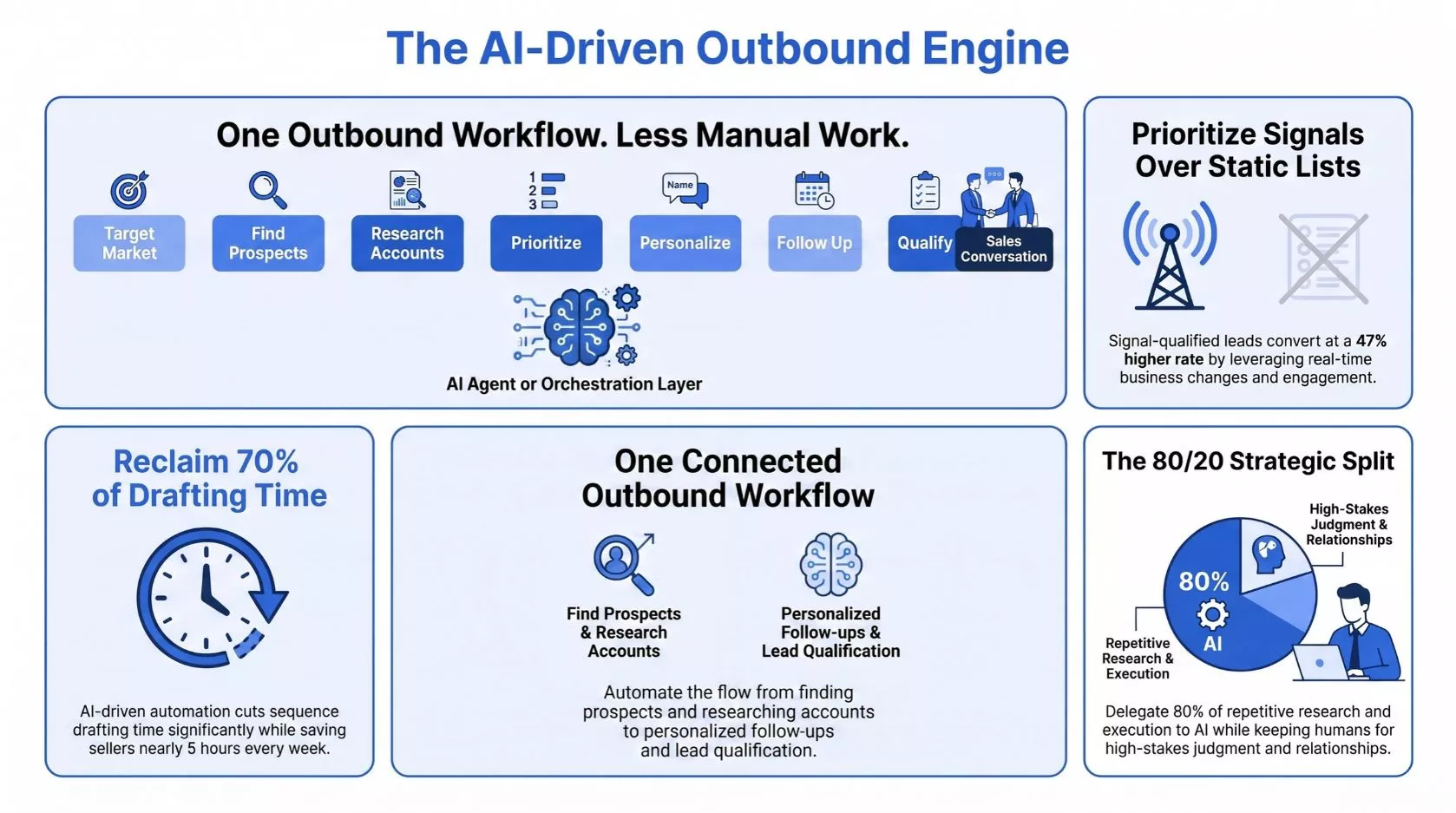
Long forms and delayed follow-ups lose buyers before the conversation even starts. An automated lead qualification chatbot replaces that waiting game with real-time intent filtering, identifying purchase-ready visitors through conversation and routing them accordingly.
How the qualification flow works:
- Visitor lands. AI initiates a conversation immediately
- Intent signals are captured: budget, timeline and product interest
- High-intent visitors are routed to sales or checkout; low-intent visitors receive relevant nurturing content
- Sales team receives qualified context, not cold leads
10. Multilingual Customer Support
An AI chatbot with multiple languages removes the ceiling on where an e-commerce brand can operate. A brand running campaigns in Brazil, the UAE, or Southeast Asia no longer needs separate support teams for each market. The AI handles it natively, in the shopper's language, without delay.
This isn't just translation. It's localized shopping experiences: region-specific sizing, local payment preferences, currency-aware pricing and culturally relevant product guidance.
| Market Capability | Without Multilingual AI | With Multilingual AI |
| Support coverage | English-primary | 50+ languages |
| Response time | Hours (human translation) | Instant |
| Localization depth | Basic | Region-specific context |
| Global scalability | Limited by hiring | Unlimited |
For brands targeting global e-commerce growth, multilingual AI support is the difference between entering a market and actually serving it.
See Every Use Case in Action
From cart recovery to multilingual support, see what your store could automate.
What E-commerce Brands Risk Without AI Shopping Assistants
Brands delaying investment in an e-commerce assistant chatbot are falling behind while competitors compound their advantages every quarter.
The risks are concrete:
- Lost Conversions: Shoppers with specific questions bounce within 10 seconds if answers aren't immediate. Brands without real-time support see 30% higher bounce rates on complex product pages.
- Scaling Costs: Without AI deflecting repetitive queries, support costs grow in direct proportion to sales volume, bottlenecking growth during peak seasons.
- Data Blindness: Traditional analytics show where users clicked, not why they left. An AI shopping assistant captures intent, preference and hesitation directly from the conversation.
- Broken Omnichannel Experiences: 74% of customers report frustration when repeating themselves across channels.
Every quarter without action is a quarter of compounding operational debt.
The Future of AI Shopping Assistants in E-commerce
The discovery-to-purchase journey is compressing into a single interaction. Shoppers no longer browse; they tell what they need, receive a synthesized answer and complete a transaction without ever visiting a product page.
An AI shopping assistant is becoming the transaction layer itself, operating across answer engines, messaging environments and autonomous procurement systems simultaneously.
What's emerging next moves beyond assisted commerce entirely. Conversational AI assistant for e-commerce infrastructure is evolving toward Agent-to-Agent commerce, where a consumer's AI communicates directly with a merchant's systems, from finding the product to purchasing autonomously. McKinsey projects this channel will drive between $3 and $5 trillion globally by 2030.
Brands preparing for this shift need to act on three fronts:
- Semantic product data: Machine-readable catalogs that AI crawlers can interpret and cite.
- Unified conversation continuity: Consistent context across mobile, voice and chat interfaces.
- Human verification layers: Governance frameworks ensuring autonomous actions remain attributable and controllable.
Your Ecommerce Store Deserves a Smarter Selling Partner
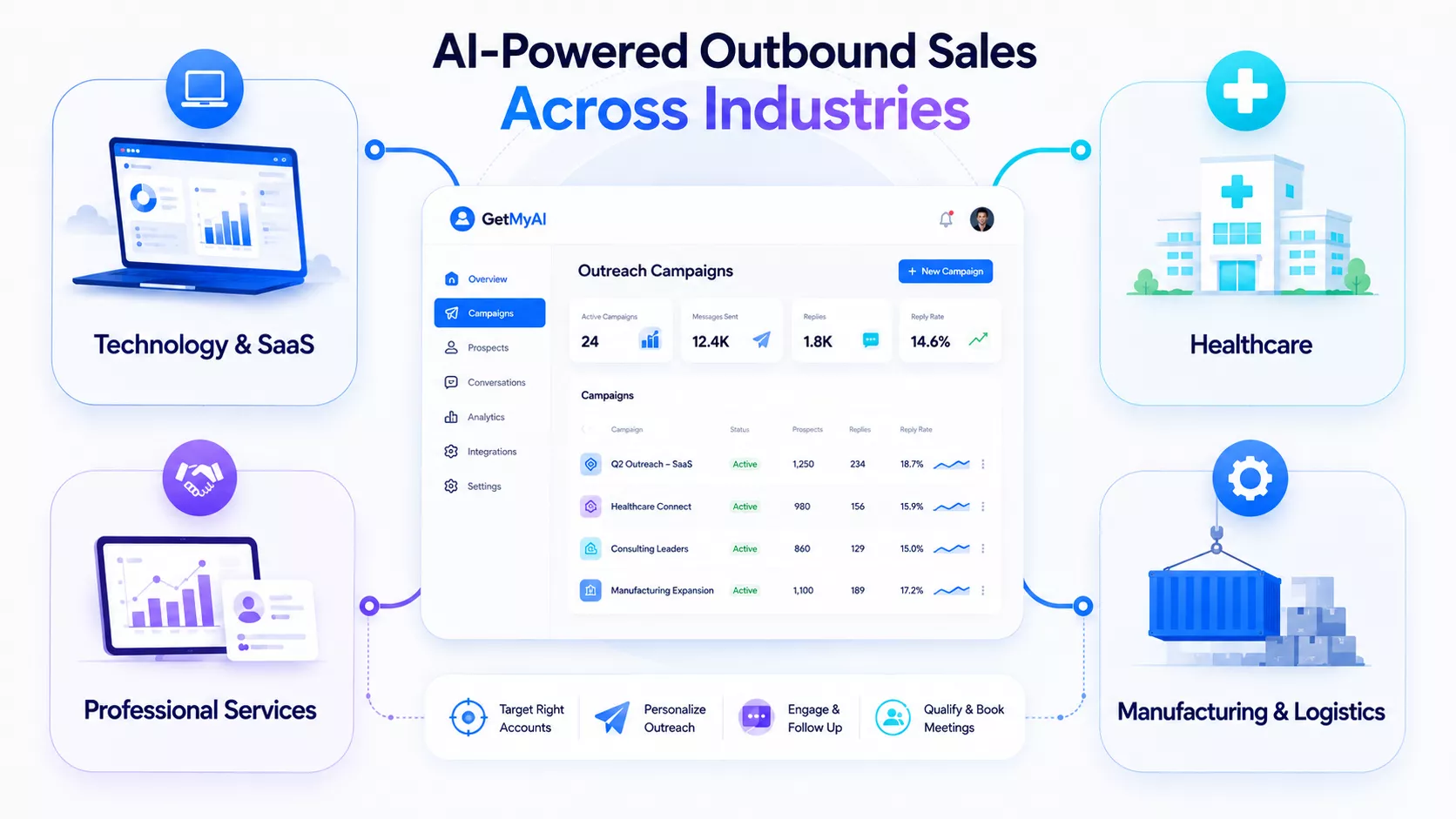
Imagine a shopper landing on your store at midnight, unsure whether the leather bag they're eyeing comes in a smaller size, how long shipping takes and whether it pairs well with anything else you carry. GetMyAI's Ecommerce Agent answers all three questions instantly, surfaces a product card, suggests a matching wallet and adds both to the cart without a single human involved.
This is what GetMyAI, with its Ecommerce Agent, does for your online stores. It connects directly to your product catalog on the website, combining shopping intelligence with your policies, FAQs and documentation inside one conversation. Shoppers get guided discovery, side-by-side product comparisons, personalized recommendations and a direct path to purchase, all within the chat window.
Lead generation runs alongside the shopping experience. When a visitor signals purchase intent like searching for pricing, asking about bulk orders, or requesting a consultation. The agent captures their details conversationally, qualifies them through smart triggers and can book a meeting directly through booking integrations with platforms like Google Calendar. No separate form. No dropped leads.
Beyond all this, the Ecommerce Agent also handles:
- Multi-channel deployment across WhatsApp, Instagram, Telegram and Slack using the same catalog and training
- Ecommerce analytics tracking product interest, comparisons and add-to-cart activity
- Unanswered question review and continuous improvement through the Activity feed
- Full brand customization, including chat style, prompts and display settings
- Localization support for region-specific store experiences
Built for Your Store, Ready Today
Our team will walk you through setup, catalog connection, and first deployment together.
FAQs
What is the difference between a regular chatbot and an AI shopping assistant?
Regular chatbots follow fixed scripts and break when questions go off-path. AI shopping assistants understand intent, remember conversation context and guide buyers through discovery, comparisons and purchase decisions naturally.
Can these assistants handle product questions and support queries in the same conversation?
Yes. Modern ecommerce agents combine product catalog intelligence with policy, shipping and FAQ knowledge, so shoppers get complete answers without being transferred, redirected, or asked to contact a separate support channel.
How does cart recovery actually work without sending blanket discount codes?
The assistant identifies whether a shopper left due to price sensitivity or distraction, then responds differently for each. One gets a reminder, the other gets an incentive, protecting margins while recovering the sale.
Does deploying an ecommerce agent require rebuilding the entire store or tech stack?
No. GetMyAI connects directly to existing Shopify or WooCommerce catalogs, pulling products automatically. The assistant trains on current store content and deploys without rebuilding anything from scratch.
Will the assistant perform the same way with WhatsApp, Instagram or the website?
Yes. The same product catalog, training and conversation logic runs across every channel, so shoppers get consistent, accurate responses regardless of where they choose to engage.