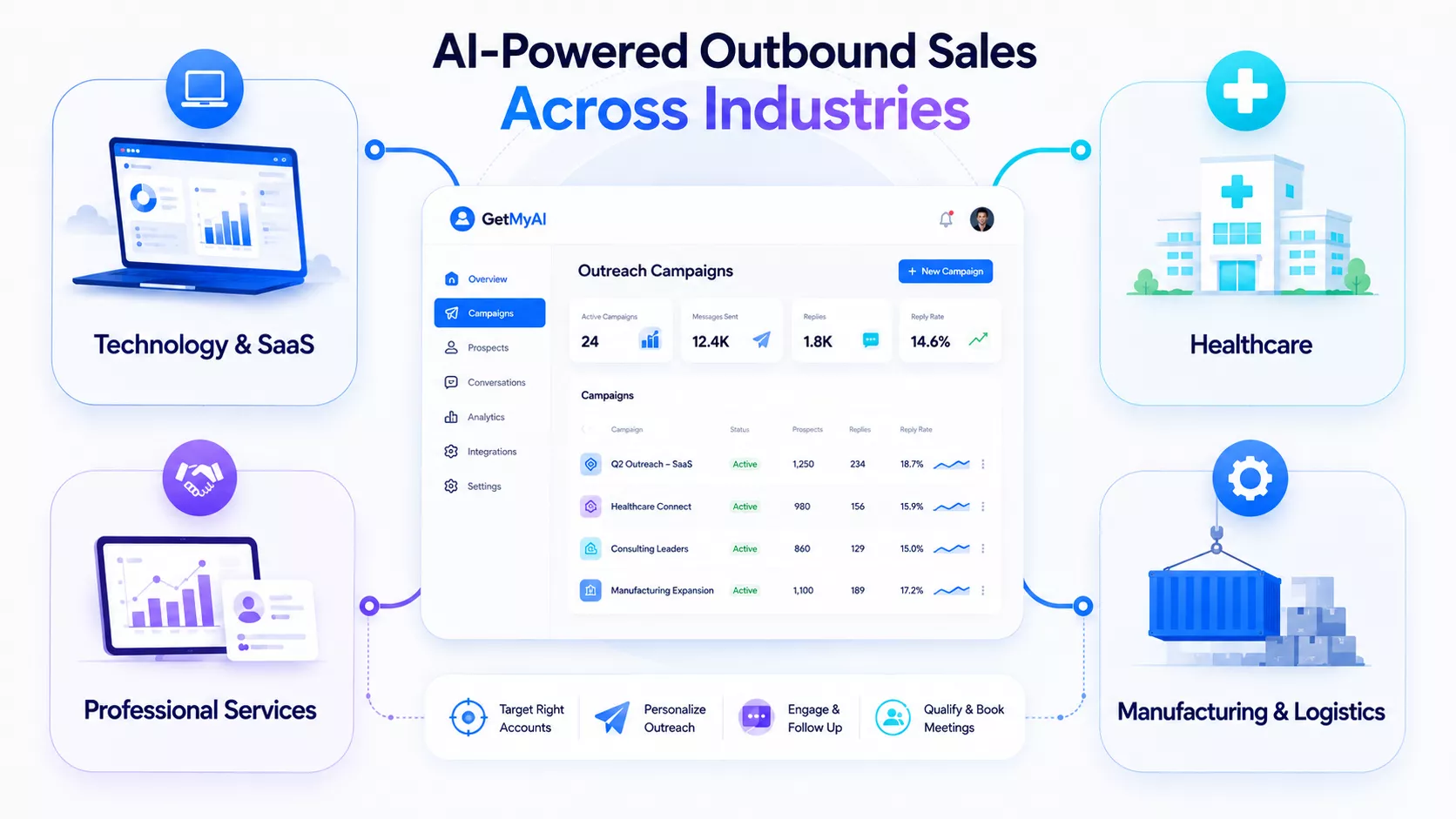
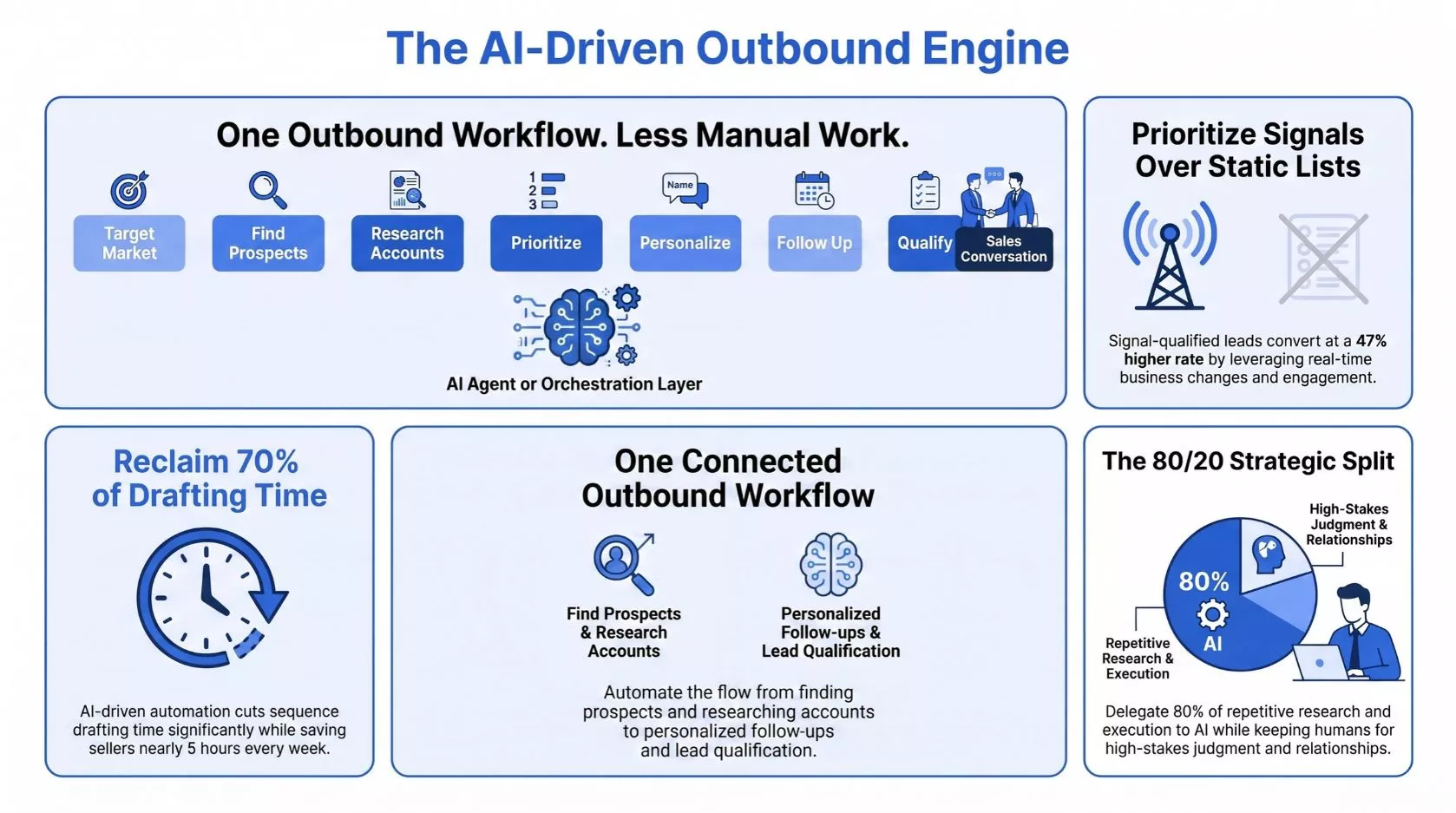
B2B outbound sales is becoming harder to manage manually. Sales teams still spend hours finding prospects, researching accounts, identifying decision-makers and keeping up with follow-ups. Benefits of AI in Sales go beyond saving time: better prospect research…
Experience Boost
Create. Deploy. Engage. With GetMyAI
Launch GPT-powered conversations that engage, support, and convert — all in one platform.
The Hidden Problem Behind Poor Performance of An AI Chatbot in E-commerce
getmyai
Apr 2, 2026
AI chatbot for ecommerce
ecommerce chatbot problems
ecommerce AI chatbot solutions
Key Takeaways
Chatbot performance problems are caused by poor system design, not by AI technology limits.
Weak intent understanding leads to broken chats, where users must repeat queries.
Bad data quality results in incorrect responses, reducing trust and affecting decisions.
Without backend integration, chatbots stop at answers and cannot complete real tasks.
Using Activity and Q&A for continuous improvement increases accuracy and supports better long-term results.
Poor performance of an AI chatbot in e-commerce is caused by system-level gaps, not just AI limitations. Most failures come from weak intent recognition, poor data quality, lack of backend integration, and no execution capability, which leads to broken customer journeys, low conversions, and unreliable automation.
Most businesses deploy them expecting faster support and higher conversions, but the reality often falls short. Instead of improving outcomes, many chatbots create friction, confusion, and missed opportunities. This happens because the focus stays on surface-level automation rather than system-level performance. To understand and fix these issues, it is important to look beyond the interface and examine how chatbots are built, trained, and integrated into the overall e-commerce experience.
Quick Diagnostic: Is Your Chatbot Underperforming?
Many businesses only see chatbot issues when sales drop or support work increases. The best way to spot e-commerce chatbot problems is not through analytics tools, but by looking at how users behave in chats and where the chatbot gives weak or unclear answers.
Inconsistent or incorrect answers reflect a weak data foundation
“Contact support” replies highlight AI chatbot integration issues
No task completion shows a lack of execution capability
Performance problems become clearer when traffic increases. Slow replies, dropped chats, or delays show deeper AI chatbot scalability issues. These issues happen when the system cannot handle real user demand. During peak buying times, this leads to broken conversations, missed responses, and lost opportunities to convert active users into customers.
Diagnostic Summary
Chatbot Behavior
Underlying Problem
Users repeat questions
Intent recognition failure
Wrong or inconsistent answers
Data quality breakdown
“Contact support” responses
No backend integration
Cannot perform actions
No execution capability
Slow or delayed replies
Scalability issues
The Real Business Impact
This is not just a user experience issue. Poor chatbot performance directly impacts revenue, conversion rates, and operational efficiency. Every delayed or inaccurate response weakens buyer intent, disrupts decision-making, and reduces the likelihood of completing high-value transactions in real time.
It is a revenue problem.
Faster responses significantly increase conversion rates: According to Chili Piper, responding to an inbound lead within sixty seconds can drive a 391% increase in conversion rates. Leads contacted within five minutes are 21 times more likely to convert and 100 times more likely to qualify than those who experience a 30-minute delay.
The first brand to respond captures most buyers: Statistics show that 78% of customers purchase from the business that responds first, regardless of whether they have the lowest price or the most features.
Poor customer experience from an AI chatbot leads to:
Cart Abandonment: The global average cart abandonment rate stands at 70.19%, representing $260 billion in recoverable lost orders; notably, 30% of buyers will abandon their purchase specifically due to slow website performance or lack of immediate support.
Lost High-Intent Leads: Buyer expectations have compressed; 82% of consumers rate an immediate response (within 10 minutes) as "important" or "very important". After just one hour of delay, the likelihood of making successful contact with a lead drops by 10x.
Increased Escalations: Every failed automated resolution shifts the workload to human agents, where costs skyrocket. A typical chatbot interaction costs approximately $0.50, whereas a human-assisted interaction averages $6.00.
Chatbot vs AI Agent: The Real Difference
This comparison explains why conversational AI vs traditional chatbot performance differs significantly, especially in handling context, executing actions, and delivering outcomes that directly impact conversions and overall business efficiency.
Fixing chatbot performance means going beyond small changes and solving deeper system gaps. Businesses using conversational AI for e-commerce should focus on data quality, intent clarity, system integration, and ongoing improvement to create chatbots that deliver steady, accurate, and conversion-driven outcomes.
Step 1: Fix Data First
Use structured product data
Ensure consistency across systems
Keep information updated
Step 2: Improve Intent Understanding
Use meaning-based retrieval
Add context awareness
Train using real conversations
Step 3: Enable System Integration
Connect chatbot to backend systems
Enable real actions, not just responses
Step 4: Add Execution Workflows
Booking (Calendly, Google Calendar)
Lead capture
Guided navigation
Step 5: Create a Continuous Improvement Loop
Track conversations (Activity)
Identify gaps
Update Q&A
Retrain
This is the base of an AI chatbot for e-commerce, where real user chats help improve the system. By reviewing conversations, finding gaps, and updating Q&A or training data, businesses help the chatbot deliver better accuracy, relevance, and performance over time.
Building a High-Performance AI Chatbot for E-commerce with GetMyAI
GetMyAI solves these problems by building a system, not just a chatbot. By combining training, execution, and continuous improvement into one unified platform. Instead of acting as a standalone support tool, it operates as a connected system that improves performance, accuracy, and outcomes across the entire customer journey.
Structured Training
It allows training using documents, links, and Q&A, so the chatbot gives accurate and context-based answers. This makes responses more reliable and helps the system match real business information.
Real Conversation Feedback Loop
Uses Activity to track real conversations and identify gaps in responses. By feeding unanswered queries into Improvement and updating Q&A, the system continuously evolves and improves over time.
Multi-Channel Execution
Ensures your chatbot delivers the same experience across website, Slack, Telegram, WhatsApp, and Instagram. This consistency reduces friction and keeps conversations connected across every customer touchpoint.
Action-Based Capabilities
Allows chatbots to capture leads, book appointments using Calendly and Google Calendar, and guide users through decision-making. This shifts the system from passive support to active conversion and real outcomes.
No-Code Control via Dashboard
It gives teams full control over chatbot behavior, interface, and deployment through the Dashboard. This reduces dependency on technical teams and enables faster iteration and optimization.
Scalable Performance
Handles high-volume interactions without slowing down, ensuring consistent response quality even during peak traffic and high-intent buying moments.
GetMyAI goes beyond basic chatbot tools by bringing data, training, execution, and improvement into one system. It helps fix common AI chatbot problems in online stores by making responses more accurate and actions more useful. This allows businesses to improve conversations, support users better, and achieve clear, measurable results across customer interactions.
Best Ways to Optimize an AI Chatbot for E-commerce
Use Structured Product Data for Better Accuracy
When product data is structured properly, the chatbot can read key details without confusion, which reduces unclear responses. This leads to more accurate answers, easier product comparisons, and stronger user trust during decisions, helping improve e-commerce AI chatbot solutions.
Train the Chatbot Using Real User Queries
Training with real conversations allows the chatbot to reflect actual user intent. This improves relevance, reduces repetitive queries, and ensures the system evolves based on real interaction patterns.
Integrate the Chatbot with Core Business Systems
Backend integration enables the chatbot to perform actions instead of just responding. This allows it to handle requests like order tracking or bookings, improving overall efficiency and user satisfaction.
Monitor Conversations Through Activity Regularly
Regularly reviewing Activity helps identify gaps in responses and recurring issues. This allows teams to refine answers, improve coverage, and ensure the chatbot aligns with real user expectations.
Improve Responses Continuously Using Q&A Updates
By adding answers to unanswered questions, the chatbot improves its understanding based on real conversations. This results in more accurate replies, fewer errors, and better interaction quality, strengthening e-commerce customer support automation over time.
Track Performance Trends Using Analytics
Analytics helps measure usage, engagement, and response quality over time. Tracking trends enables better decision-making, allowing teams to optimize chatbot performance based on real data insights.
These are the best ways to optimize an AI chatbot for e-commerce.
Summary
Poor chatbot performance in e-commerce is not caused by weak AI models but by flawed implementation. Most systems fail because they rely on unstructured data, lack integration with backend systems, and cannot execute real actions. Without ongoing updates, chatbots cannot improve and remain ineffective. This causes broken journeys, reduced conversions, and missed opportunities during high-intent interactions where response speed and accuracy shape purchase decisions.
To fix these issues, businesses need to shift from isolated chatbot tools to connected systems that combine data, execution, and ongoing optimization. GetMyAI achieves this by bringing together training, real conversation feedback, and action-based workflows into a single system. This setup allows chatbots to improve continuously, adapt to how users behave, and deliver better customer experiences while also supporting measurable results and stronger performance over time.
FAQs
1.Why do AI chatbots fail on e-commerce websites?
Most failures occur due to poor implementation, including weak training data, lack of integration, and inability to execute actions, which leads to incomplete user journeys and low conversion rates.
2.How to fix poor chatbot performance in e-commerce?
Improving performance requires structured data, better intent understanding, system integration, and continuous updates using real conversation data through Activity and Q&A workflows.
3.What are common AI chatbot problems in online stores?
Common issues include inaccurate responses, inability to handle complex queries, lack of backend access, poor personalization, and failure to guide users toward completing purchases.
4.How to improve e-commerce chatbot conversion rates?
Focus on faster responses, accurate answers, guided workflows, and integrating the chatbot with systems like inventory, orders, and booking tools to support real user actions.
5.AI agent vs chatbot performance in e-commerce
AI agents can execute tasks and handle workflows, while chatbots mainly respond to queries. This makes agents more effective in improving conversions and operational efficiency.
6.What causes AI chatbot accuracy issues?
Accuracy problems usually come from outdated or incomplete training data, a lack of context awareness, and the absence of structured knowledge sources.
7.How does chatbot performance affect customer experience?
Poor performance leads to delays, incorrect answers, and broken interactions, which reduce trust, increase frustration, and negatively impact customer retention.
8.Can AI chatbots replace human support completely?
No. The best approach balances automation and human support, where chatbots handle routine queries, and humans manage complex or sensitive interactions, aligning with automation vs human support in e-commerce.
We’ve noticed that a surprising amount of a sales rep’s day is still spent preparing to sell rather than actually selling. Building lists, researching accounts, finding the right contacts, writing outreach and chasing follow-ups can consume hours before a mean…
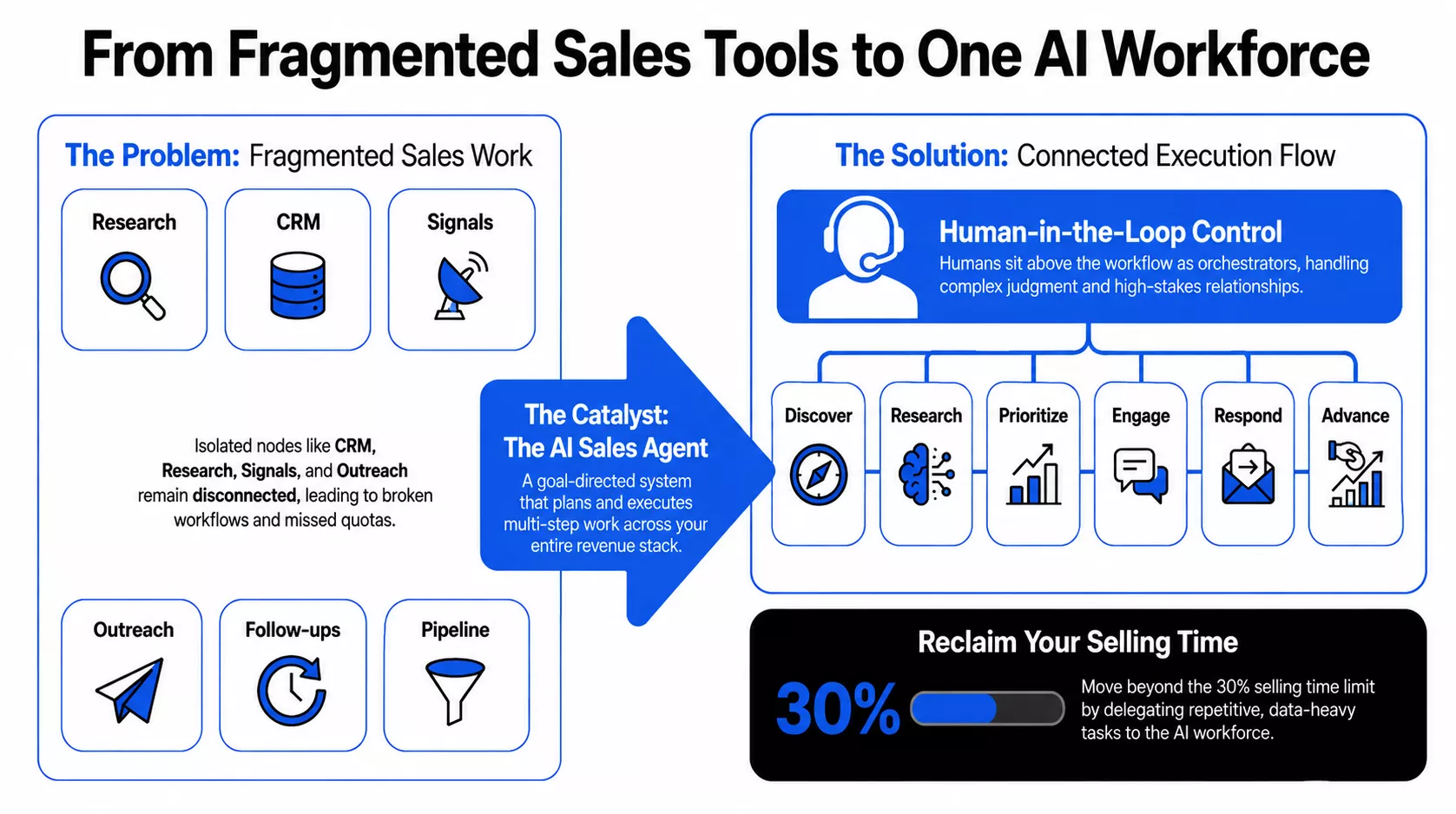
Sales teams have more AI than ever, yet the productivity problem remains. Sales AI Agents can take repetitive work off your team's plate, but adding another tool does not automatically improve execution. In 2026, 78% of B2B sellers missed quota in 2025, w…