How Telecom Companies Use AI Chatbots to Streamline Customer Service Operations


Key Takeaways
- Telecom AI chatbots help providers handle massive customer support traffic by automating common questions and reducing traditional call center pressure.
- Customer service automation in telecom cuts operational costs while maintaining fast response speed and dependable telecom service support.
- AI chatbots can resolve up to 80% of telecom support requests, including billing inquiries, plan changes, and troubleshooting assistance.
- Telecom companies use AI chatbots across website chat, WhatsApp, and Telegram to provide quick and accessible customer support.
- AI Chatbot Platforms allow telecom providers to deploy scalable AI chatbot solutions for automation, analytics tracking, and continuous service improvement.
Telecom companies run some of the largest customer service operations in the world. Millions of customers depend on telecom networks every day. These networks support mobile communication, internet services, digital payments, and connected devices. Because telecom services are used constantly, customers contact support teams very often. They ask about billing problems. They want help with internet connectivity. Some need help changing plans. Others need help with device setup or SIM activation.
This creates a huge support workload.
Traditional call centers struggle to keep up with this demand. Support teams often receive thousands of calls every hour. Long wait times can quickly appear. Customer frustration increases when responses take too long. To solve this challenge, telecom providers are adopting an AI chatbot for telecom support systems. These intelligent assistants can answer questions instantly. They guide customers through common tasks. They also reduce the number of calls reaching human agents.
Gartner expects that by 2026, conversational AI will manage most customer service conversations, lowering the need for human-led support operations. This strong growth shows how customer service automation in telecom is becoming a key part of digital change. With Telecom AI chatbots, telecom providers can solve more customer questions, lower support costs, and deliver faster service to millions of users.
Why Customer Support is a Major Challenge for Telecom Companies
High Volume of Customer Queries
Telecom companies handle an enormous number of customer questions every day. Customers contact support for many reasons. Some want to check billing statements. Others want to change their plans. Many ask about internet speed or connectivity issues. These requests happen again and again across millions of customers.
Research shows that AI chatbots can handle up to 80 percent of routine customer support requests without human help. This data comes from NextPhone AI Customer Service Statistics.
These routine questions usually include:
- Billing inquiries
- Account updates
- Plan upgrades
- SIM activation
- Troubleshooting connectivity issues
These customer requests happen frequently in telecom service centers. Most of them follow the same pattern each time. This makes them ideal for telecom support automation. Telecom AI chatbots allow companies to answer these questions quickly without human involvement. Customers receive help instantly. Human agents can focus on more complex support problems.
This is one of the main reasons telecom providers invest heavily in a chatbot for a telecom customer support technology.
Rising Operational Costs in Telecom Support
Operating a telecom support center is expensive. Large telecom companies run massive call centers across multiple countries. These centers require thousands of employees, support tools, training systems, and infrastructure. Handling every request through human agents creates high operational costs.
This means telecom companies can reduce support costs by up to ninety percent when automation is used for routine questions. Because of this major cost difference, telecom companies are investing in Operational cost reduction in telecom initiatives powered by AI-powered chatbot solutions for telecom providers. These automation systems help telecom providers manage millions of interactions without expanding their call centers.
Increasing Customer Expectations for Instant Support
Customer expectations have changed dramatically in recent years. People no longer want to wait on hold for customer support. They prefer fast digital conversations. Modern users expect answers immediately. Research from Giva Call Center Statistics shows that eighty-two percent of customers prefer interacting with a chatbot instead of waiting for a human agent.
This behavior change is driving the growth of AI customer support for telecom. Customers today prefer messaging. They expect companies to provide help through websites, chat apps, and mobile messaging platforms. To meet these expectations, telecom providers must deliver 24/7 automated customer support through digital channels. AI chatbots make this possible.
How Telecom Companies Use AI Chatbots for Customer Support
Streamlining Telecom Support with AI
One of the key Telecom chatbot use cases is automating everyday customer service tasks. AI chatbots quickly answer frequently asked questions. This allows customers to resolve simple service problems without needing help from a live support agent.
Typical requests handled by chatbot for telecom customer support systems include:
- Billing
- Data Usage
- Plan Info
- SIM Activation
- Password Resets
These requests represent a large portion of telecom support traffic. When these questions are automated, call center queues become shorter. Customers receive faster answers. Support teams can focus on difficult cases. Automation also enables telecom customer self-service AI experiences where users can solve problems on their own.
GenAI Agents Tackling Billing and Account Issues
Billing questions are one of the most frequent reasons customers contact telecom providers. Customers want to understand charges. They ask about invoices. They want to confirm payment status or check data usage. Generative AI chatbots can handle these tasks very well. These systems can read customer questions and provide clear explanations. They can guide users through billing statements. They can help customers update payment information.
This capability supports AI billing and payment automation within telecom support systems. By automating billing support, telecom companies reduce disputes and improve customer satisfaction. This type of AI-driven telecom support helps companies manage high demand while maintaining service quality.
Supporting Customers Across Multiple Digital Channels
Modern telecom support must exist in many places. Customers communicate through websites, messaging apps, and mobile platforms. AI chatbots allow telecom companies to support customers across multiple channels without increasing staff.
Common channels include:
- Website chat
- Telegram
- internal communication tools such as Slack
This form of telecom conversational automation allows telecom providers to provide reliable support wherever customers communicate. Users can send questions on the platform they choose. The AI chatbot responds instantly using the same knowledge base. This method creates a unified support experience.
Key Benefits of AI Chatbots for Telecom Customer Service
The AI-Powered Chatbot Advantage
AI chatbots offer several advantages for telecom companies. These systems can operate continuously. They do not require breaks. They can handle thousands of conversations at the same time.
Key advantages include:
- 24/7 automated customer support availability
- Instant responses to common queries
- Scalable customer interaction handling
Because AI chatbots scale easily, telecom providers can support millions of users without increasing staff numbers. This makes telecom support automation one of the most valuable technologies in telecom customer service.
Lower Customer Support Costs
One of the biggest advantages of AI-powered chatbot solutions for telecom providers is cost reduction. Human support interactions cost several dollars per request. AI interactions cost only a small fraction of that amount.
According to NextPhone AI Customer Service Statistics, chatbot interactions cost between twenty-five and fifty cents. Human interactions cost three to six dollars. This difference allows telecom companies to significantly reduce support expenses. Lower support costs allow companies to invest more resources into network improvements and new services.
Faster Response and Resolution Times
Speed is critical in telecom support. When network issues occur, customers want immediate assistance. Waiting for support agents creates frustration. AI chatbots solve this problem by responding instantly.
Automation also improves call center performance. According to the Natterbox Contact Center Benchmarks report, AI chatbots reduce customer routing time by fifty-four percent. This improvement helps customers reach solutions faster. Fast responses also improve telecom digital customer service experiences in telecom.
Major AI Technologies in Telecom Customer Support Automation
Natural Language Processing (NLP)
It enables AI chatbots to understand customer language clearly. Users can ask questions in plain everyday words rather than following strict command formats. The AI chatbot examines the message and responds with useful information. This technology supports telecom AI service agents operating in modern telecom support systems. NLP helps AI assistants recognize what customers need and provide helpful solutions.
Conversational AI and Generative AI
Modern conversational AI telecom systems use advanced language models. These models generate dynamic responses instead of relying only on prewritten scripts. This allows chatbots to respond naturally and answer a wider range of questions. Generative AI improves response accuracy. It also creates more helpful conversations for customers.
Agentic AI and Workflow Automation
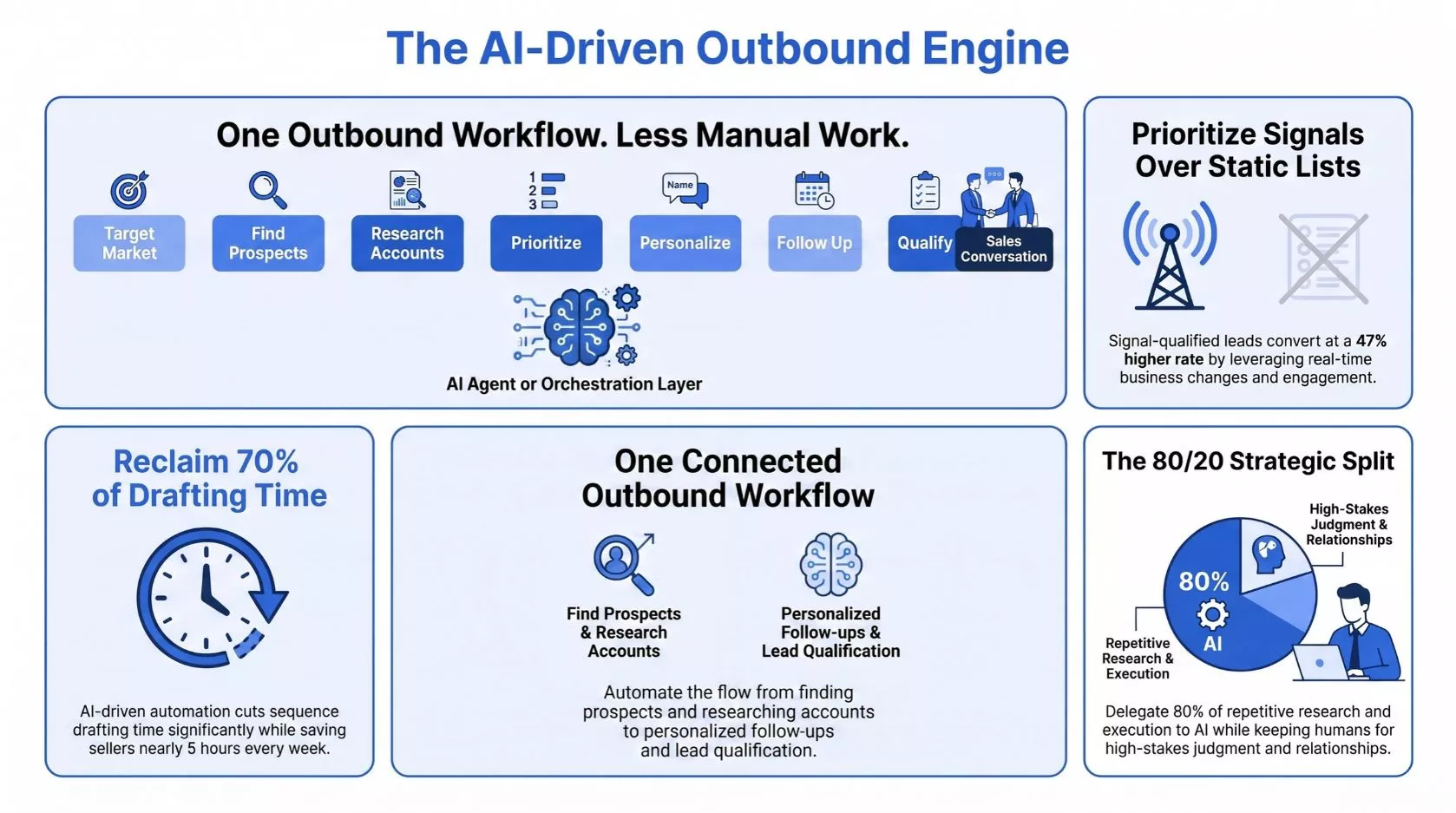
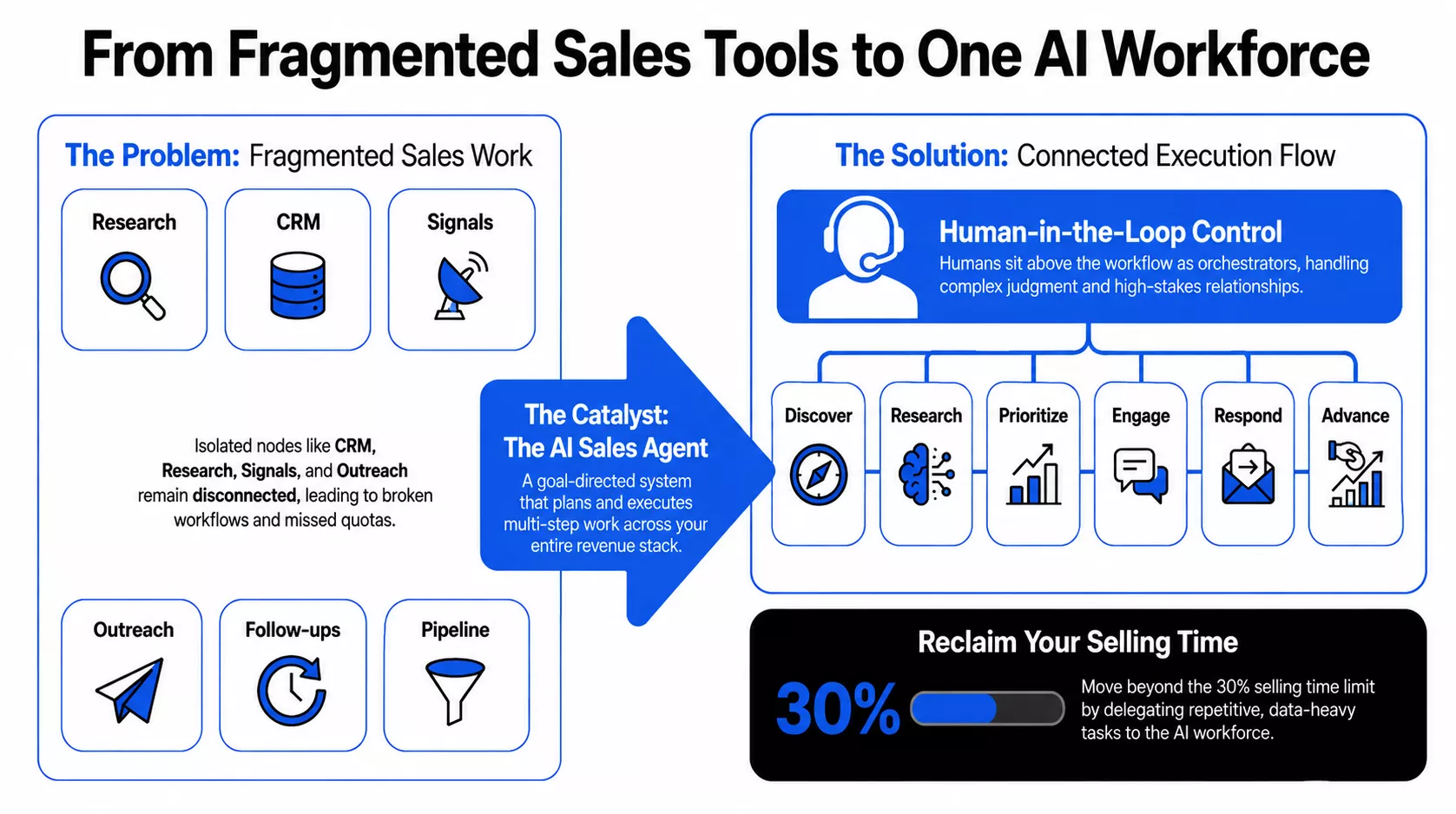
The next generation of telecom support AI assistant technology includes agentic AI systems. These AI agents can perform actions across telecom systems. They can execute multi-step workflows automatically.
Examples include:
- Updating customer account settings
- Activating new services
- Initiating troubleshooting procedures
This technology transforms simple chatbots into intelligent telecom service agents.
Summary Table:
| AI Technology | What It Does | Example Use in Telecom Support |
| Natural Language Processing (NLP) | Enables AI chatbots to understand everyday human language and interpret customer intent instead of relying on rigid command inputs. | Understanding customer questions about network issues, billing details, or plan information and providing relevant automated responses. |
| Conversational AI and Generative AI | Uses advanced language models to generate dynamic responses instead of only using predefined scripts, allowing for more natural conversations. | Answering varied customer questions, explaining service plans, and guiding users through troubleshooting steps in a conversational way. |
| Agentic AI and Workflow Automation | Allows AI agents to perform actions across telecom systems and complete multi-step tasks automatically. | Updating account settings, activating services, and initiating troubleshooting procedures without requiring manual agent involvement. |
Enhancing Customer Satisfaction Through Continuous Improvement
Learning from Customer Conversations
Every support conversation provides valuable information. Telecom companies analyze chat logs to understand common problems. These insights help identify service gaps and customer pain points. By studying these conversations, telecom companies improve their telecom AI self-service experiences.
Improving AI Responses Through Training Data
AI chatbots improve over time. Support teams update knowledge bases, documentation, and structured Q&A responses. These updates help chatbots give more accurate answers to new customer questions. This process helps an AI chatbot for a telecom support system stay updated as telecom services, plans, and products evolve.
Real-World Examples of Telecom AI Chatbots
AT & T AI Customer Support Tools
AT & T uses AI chatbot technology to support customers and service agents during telecom support interactions. The AI chatbot reviews customer questions, identifies helpful troubleshooting guidance, and directs agents toward accurate solutions. By automating information retrieval and answering routine requests, AT&T improves response speed and shortens the time needed to resolve common telecom problems.
Verizon’s AI-Driven Customer Personalization
Verizon applies AI chatbot systems to study customer behavior and service usage patterns. The AI chatbot examines how customers interact with telecom services and support channels. These insights help recommend relevant service plans, device upgrades, and data packages. By using this data, Verizon guides customers to better choices and improves the telecom's digital customer service experience.
T-Mobile Automation and AI Support Systems
T-Mobile uses large-scale AI automation to manage high volumes of customer service interactions. AI systems handle many routine service inquiries, allowing human agents to focus on more complex issues. According to Deutsche Telekom automation reports, these systems helped deflect approximately 3.4 million customer calls in 2025, demonstrating how telecom support automation can significantly reduce call center workloads.
Why choose GetMyAI for the AI Chatbot Deployment for Telecom
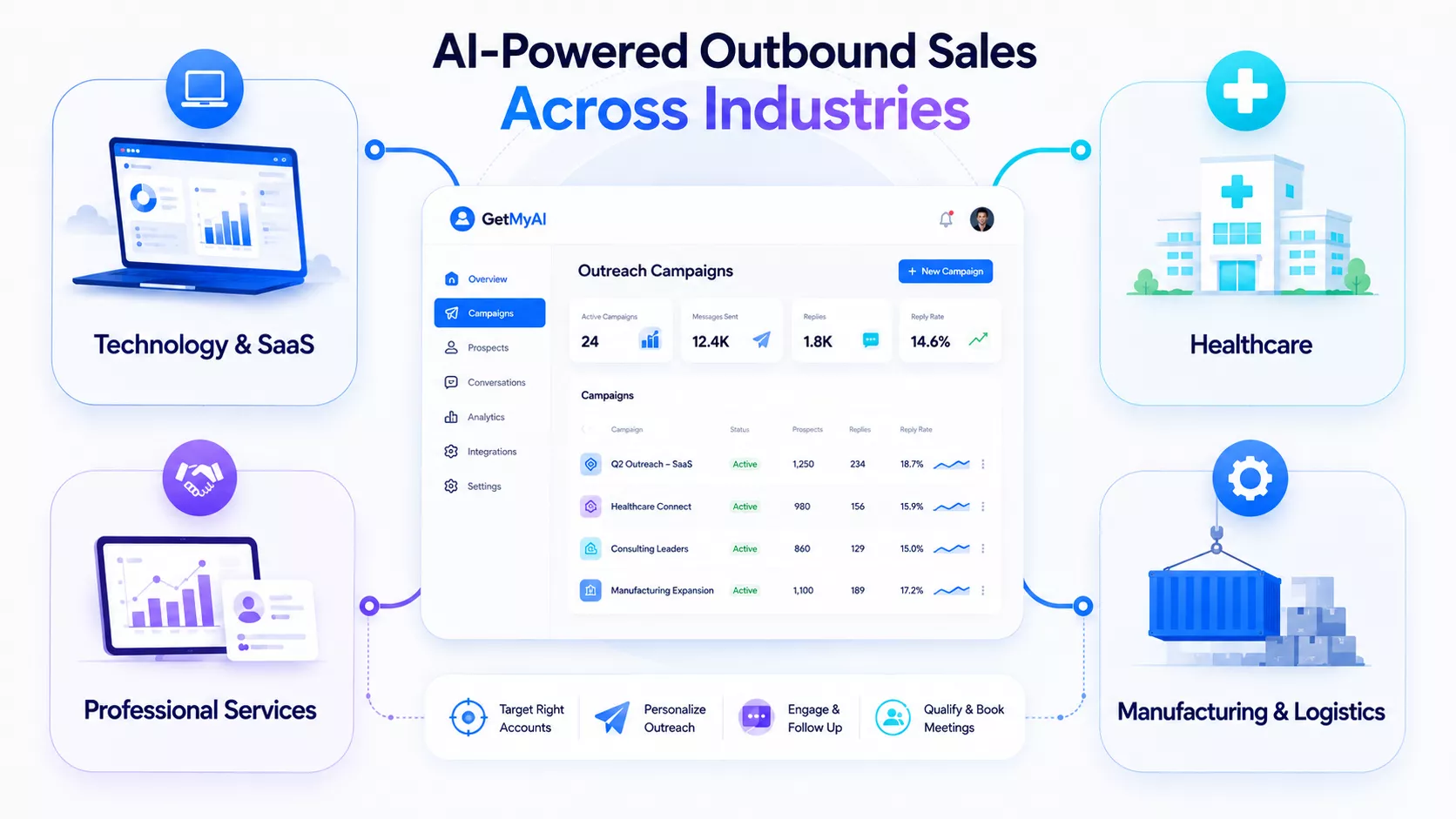
Telecom providers looking to deploy AI automation can use GetMyAI to build scalable chatbot systems. It allows companies to create AI agents trained on telecom documentation, product guides, troubleshooting materials, and service policies. Teams can manage AI agents through the Dashboard. They can also improve responses through Q&A training workflows.
Telecom companies can deploy AI agents across:
- website chat
- Telegram
Through these deployment channels, customers can interact with AI customer support for telecom using platforms they already know. GetMyAI also delivers analytics tools that allow telecom providers to monitor conversations, evaluate chatbot performance, and improve AI chatbot responses with better insights.
Conclusion
Telecom companies handle enormous customer support volumes. Millions of users rely on telecom networks every day. AI chatbots provide a powerful solution to this challenge. Through telecom support automation, companies can answer routine questions instantly. They can reduce operational costs and improve response times.
Research shows that AI chatbots can automate up to eighty percent of routine telecom inquiries. As conversational AI technology continues to evolve, Telecom AI chatbots will play an even larger role in modern telecom customer service. GetMyAI allows telecom providers to deploy scalable automation systems that improve efficiency, reduce costs, and enhance the customer experience.
FAQs
1.How are telecom companies using AI chatbots for customer support?
Telecom companies use an AI chatbot for telecom support to respond to routine customer questions, solve common service problems instantly, and provide digital help through website chat, WhatsApp, Telegram, and internal support channels.
2.Can AI chatbots replace telecom call centers?
AI chatbots cannot fully replace call centers. They manage routine customer questions while complicated issues are handled by human agents, improving service speed and increasing efficiency in telecom support automation.
3.What telecom customer queries can AI chatbots handle?
Common Telecom chatbot use cases include billing support, data usage checks, plan information, SIM activation assistance, and password reset guidance. These services help customers resolve basic issues without contacting agents.
4.How do telecom chatbots improve customer service?
Telecom AI chatbots improve service by providing instant answers, reducing wait times, enabling self-service support, and allowing telecom companies to deliver reliable 24/7 automated customer support across digital channels.
5.What are the benefits of AI chatbots in the telecom industry?
AI chatbots help telecom providers expand support capacity, reduce operational expenses, automate repetitive requests, improve response speed, and enhance AI customer support for telecom.