EU AI Act Compliance for AI Chatbots: A Practical Guide for Enterprises

Key Takeaways
- Strengthen EU AI Act enterprise compliance by classifying every AI chatbot according to its intended use, since deployment context determines regulatory obligations and business risk.
- Reduce regulatory exposure by embedding Article 50 transparency into customer and employee AI interactions through clear disclosures, ongoing governance, and documented operational oversight.
- Build scalable AI governance programs that maintain AI inventories, assign ownership, monitor performance, and retain audit-ready documentation throughout the entire AI system lifecycle.
- Prioritize compliance early because high-risk AI chatbots require extensive documentation, human oversight, conformity assessments, and continuous monitoring that significantly increase implementation costs and complexity.
- Enable responsible enterprise AI adoption by combining governance, transparency, and continuous monitoring, helping organizations scale conversational AI while protecting trust, operational resilience, and long-term business growth.
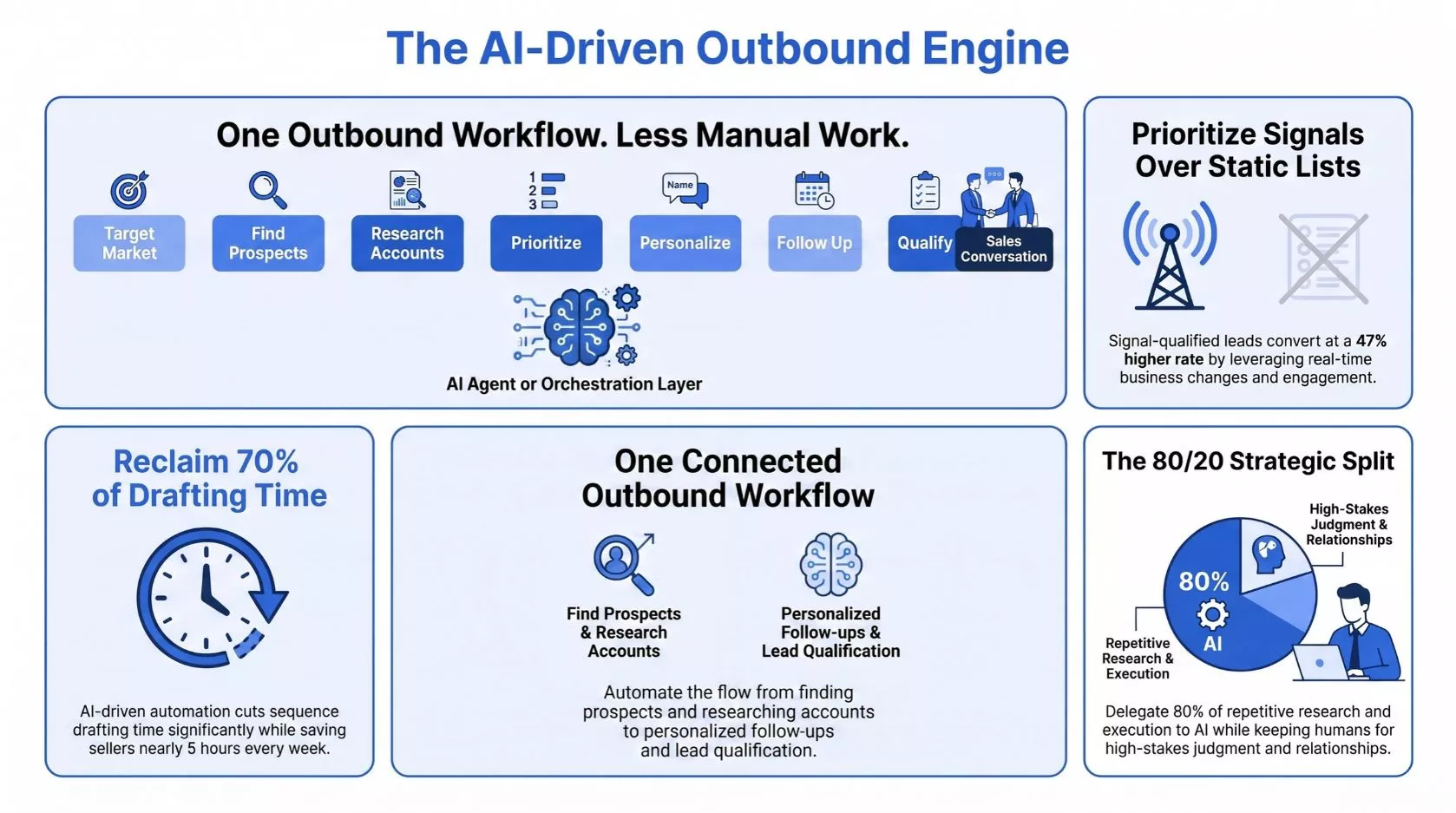
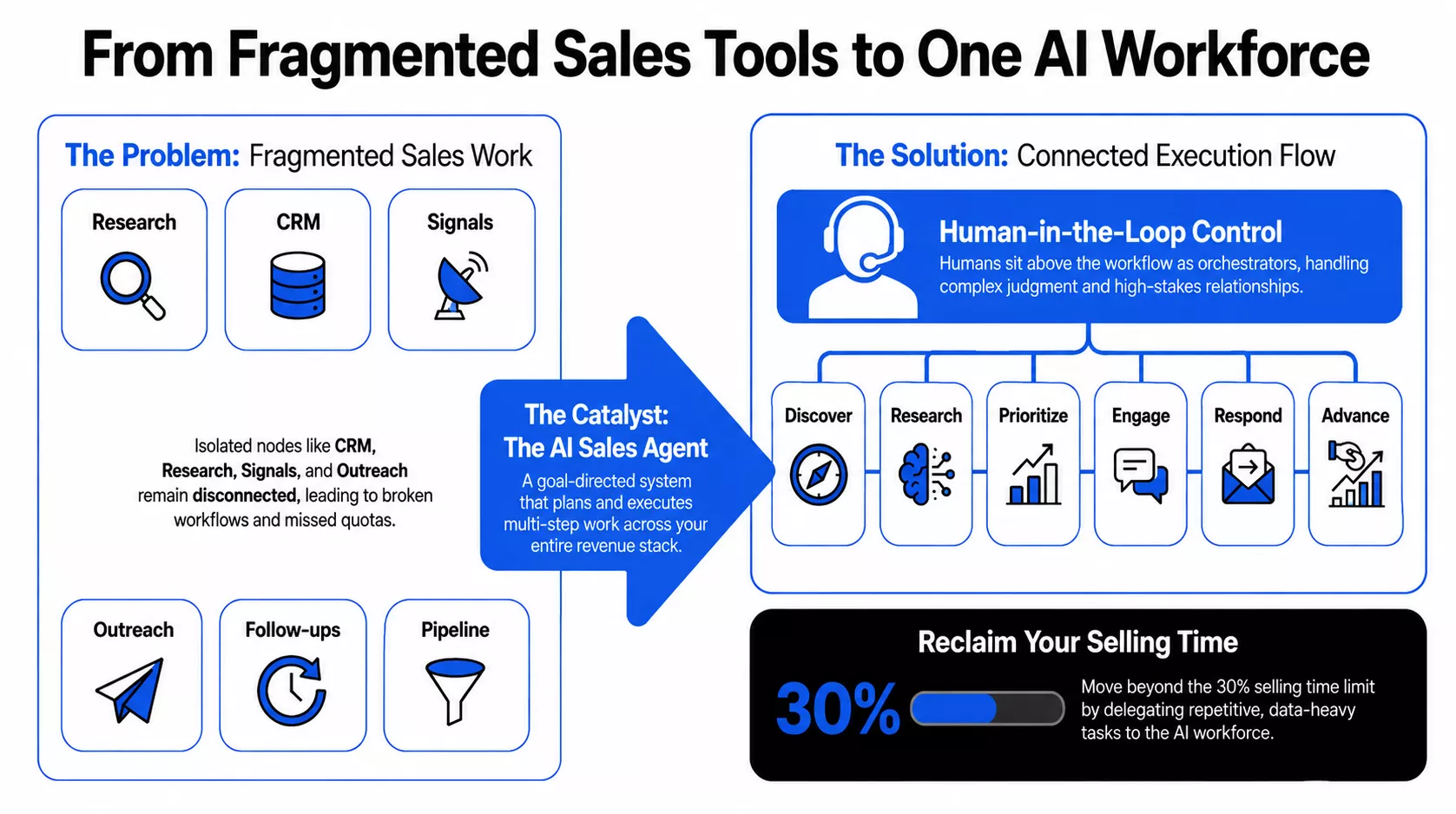
Artificial intelligence has moved beyond experimentation and become part of everyday enterprise operations. Organizations now deploy AI assistants and conversational systems across customer support, employee service desks, marketing, sales, and internal knowledge management. As AI adoption expands, governance is becoming just as important as innovation.
Adoption continues to accelerate. Around 20% of EU enterprises use AI technologies, with adoption rising to approximately 55% among large organizations. As AI becomes embedded in business processes, organizations are shifting from deploying AI tools to building structured EU AI Act enterprise compliance programs that reduce regulatory and operational risk.
The European Union responded with the EU AI Act for AI chatbots, introducing the world's first comprehensive legal framework for artificial intelligence. With key transparency obligations now in force, enterprises deploying conversational AI in the EU must address disclosure, governance, monitoring, and documentation throughout the AI lifecycle.
For organizations building conversational assistants, AI chatbot compliance in the EU is no longer just a legal consideration. It requires risk classification, transparent user interactions, continuous AI governance, and documented oversight to deploy enterprise AI responsibly while maintaining innovation and customer trust.
Understanding the EU AI Act: Why It Matters for Enterprises
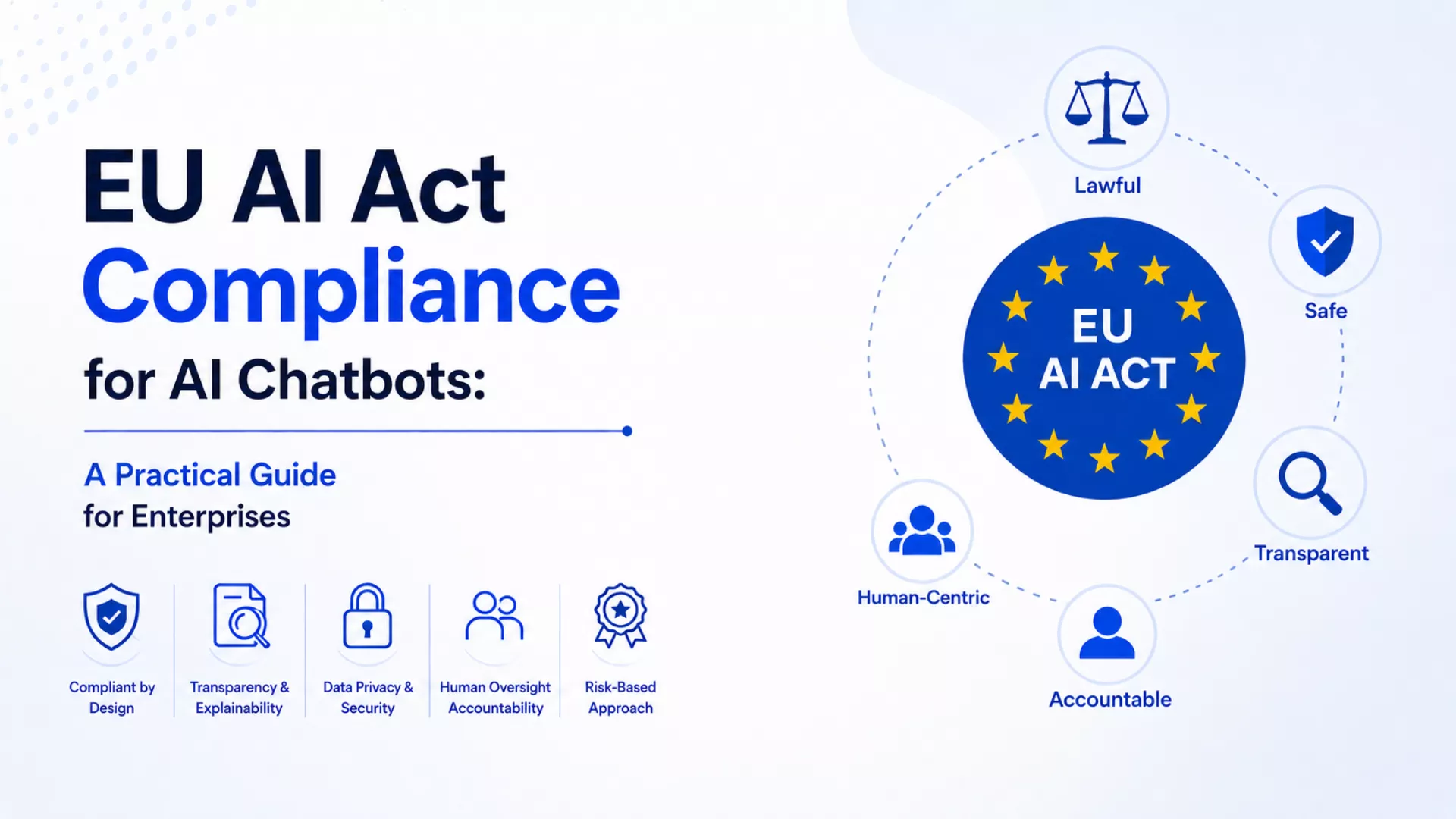
The EU AI Act, formally adopted as Regulation (EU) 2024/1689, is the world's first comprehensive legal framework for artificial intelligence. The regulation entered into force on August 1, 2024, and its key transparency obligations became enforceable on August 2, 2026, making AI governance an operational requirement for organizations deploying AI systems.
This legislation is designed to:
- Protect fundamental rights
- Prevent algorithmic discrimination
- Improve transparency, accountability, and human oversight in AI systems
The regulation follows a risk-based approach that classifies AI systems according to how they are used and the potential impact they can have on people. As risk increases, so do the compliance obligations, ranging from minimal-risk and limited-risk systems to high-risk and prohibited AI applications.
Another defining feature of the Act is its extraterritorial scope. Similar to GDPR, it applies to organizations that develop or deploy AI systems for people in the European Union, regardless of where the business is headquartered. Serving EU users, not the company location, determines whether many obligations apply.
As a result, SaaS providers, chatbot vendors, and global technology companies must prioritize EU AI Act enterprise compliance if their conversational systems or AI agents serve EU users. Whether an AI chatbot is developed inside or outside Europe, organizations remain responsible for meeting applicable transparency, governance, and compliance requirements under the Act.
Risk Classification: How the EU AI Act Categorizes AI Chatbots
A core principle of the EU AI Act is its risk-based classification framework, which determines the compliance obligations for every AI system based on its intended purpose and potential impact on people. Rather than regulating all AI equally, the Act classifies systems into four risk categories that guide how enterprises design, deploy, and govern AI chatbots.
| Risk Level | Example |
| Unacceptable Risk | AI chatbot using prohibited social scoring or manipulative practices |
| High Risk | HR chatbot screening job applicants |
| Limited Risk | Customer support or customer service chatbots |
| Minimal Risk | Internal productivity or knowledge management assistants |
This classification framework shapes the EU AI Act chatbot regulation and determines the obligations companies must follow.
Unacceptable Risk
Systems in this category are banned entirely under the EU AI Act. These technologies are considered harmful because they can manipulate behavior or undermine fundamental rights. Governments and organizations cannot deploy them within the European Union.
Examples include AI used for social scoring, where individuals are evaluated based on behavior or personal characteristics. Systems designed to exploit vulnerabilities or manipulate decisions also fall into this category and are strictly prohibited.
The purpose of banning these technologies is to protect citizens from unfair or deceptive practices. Regulators want to stop AI chatbot systems that might influence people’s choices without clear notice or permission.
High Risk
High-risk AI systems are subject to the most stringent obligations under the EU AI Act because they can significantly affect people's rights, opportunities, and access to essential services. The classification depends on how an AI chatbot is used, not simply on the underlying technology.
Examples include AI chatbots used for recruitment and candidate screening, creditworthiness assessments, educational admissions, healthcare triage, or access to public services. In these scenarios, conversational AI can materially influence decisions that affect individuals' lives.
Organizations deploying high-risk AI chatbot systems must implement robust risk management, maintain technical documentation, conduct conformity assessments where required, test for bias, establish human oversight, and continuously monitor system performance. These measures help ensure AI decisions remain fair, transparent, traceable, and accountable throughout the system lifecycle.
Limited Risk
Most enterprise conversational assistants fall into the limited-risk category under the EU AI Act. These AI chatbot systems primarily answer questions, provide customer support, assist employees, or guide users through routine tasks without making decisions that directly affect their legal rights or opportunities.
Customer service chatbots, onboarding assistants, product information bots, and internal helpdesk assistants are common examples. For these systems, the primary compliance obligation is transparency. Users must be clearly informed when they are interacting with an AI chatbot, in line with the AI chatbot transparency requirements in the EU outlined under Article 50.
Research from KPMG indicates that approximately 85% of enterprise AI systems fall into this category. Although compliance requirements are less extensive than for high-risk systems, organizations must still implement appropriate disclosures, governance processes, and ongoing monitoring to maintain responsible AI deployments.
Minimal Risk
Minimal-risk AI systems present little or no impact on people's rights and therefore face the fewest regulatory obligations under the EU AI Act. These tools typically automate routine activities without making or influencing important decisions.
Examples include spam filters, AI-powered productivity features, grammar assistants, and internal knowledge management tools that improve workplace efficiency without affecting employment, financial, or legal outcomes.
Although minimal-risk systems are not subject to mandatory compliance requirements under most provisions of the Act, enterprises should still follow responsible AI governance practices. Maintaining system inventories, monitoring performance, and conducting an AI chatbot risk assessment EU as deployments evolve helps organizations manage risk, strengthen trust, and prepare for future regulatory or operational changes.
Transparency and Disclosure Requirements for Chatbots
Transparency is one of the core requirements of the EU AI Act. Under Article 50, providers and deployers must clearly inform users when they are interacting with an AI system. Since these obligations became enforceable in August 2026, transparency is a legal requirement for many conversational AI deployments.
This requirement directly affects conversational assistants and forms the foundation of AI chatbot compliance with EU expectations, particularly for customer-facing and employee-facing AI chatbots.
Enterprises deploying chatbots must ensure:
- Users are clearly informed that they are interacting with an AI chatbot.
- AI-generated images, audio, or video are appropriately labeled where required.
- Synthetic or AI-generated content is identifiable through appropriate disclosures or technical measures.
These transparency obligations apply primarily to limited-risk AI chatbots and AI agents used for customer support, onboarding, product assistance, and internal employee services. From an enterprise perspective, compliance extends beyond adding an AI label. Organizations should embed transparency into the user experience through clear, first-interaction disclosures, documented governance processes, and ongoing monitoring, supporting broader goals of AI safety and ethical AI governance.
Provider vs. Deployer: Who Is Responsible for AI Chatbot Compliance?
Under the EU AI Act, compliance responsibilities depend on an organization's role. An AI Provider develops or places an AI system on the market, while an AI Deployer uses that system within its business operations. Using a third-party large language model does not transfer those responsibilities. Organizations remain responsible for how their AI chatbots and AI agents are configured, deployed, monitored, and presented to users.
| AI Provider | AI Deployer |
| Develops or markets the AI system | Uses the AI system in business operations |
| Responsible for provider obligations under the AI Act | Responsible for deploying AI in compliance with applicable requirements |
| Maintains model documentation and technical information | Implements transparency, governance, and human oversight where required |
For enterprises, compliance is determined not only by the AI technology they use but also by how they deploy and govern AI systems throughout their lifecycle.
Build AI Agent With Confidence
Explore platform capabilities that help teams monitor AI agents, manage knowledge, and maintain operational visibility.
High-Risk Chatbots: Where Compliance Becomes Complex
While many conversational assistants are classified as limited-risk, an AI chatbot can become high-risk depending on its intended use. Under the EU AI Act, systems that materially influence decisions affecting people's rights, opportunities, or access to essential services are subject to significantly stricter compliance obligations.
Examples include:
- AI hiring assistants screen job applicants
- Credit assessment chatbots evaluating loan eligibility
- Educational admission bots supporting student selection
For these use cases, AI chatbot legal requirements in the EU extend well beyond transparency. Organizations must establish documented risk management processes, maintain technical documentation, implement human oversight, evaluate bias and fairness, and complete conformity assessments where required before deployment.
Research from the European Banking Authority estimates that compliance for high-risk AI systems can cost €20,000 to €30,000 per system annually. These costs cover technical documentation, regulatory assessments, continuous monitoring, and governance activities. As a result, AI regulatory compliance in Europe has become a strategic business function involving legal, compliance, product, and engineering teams, not just software developers.
Enterprise Compliance Checklist for AI Chatbots
Organizations should establish structured AI governance programs that support ongoing compliance rather than one-time regulatory preparation. Below is a practical EU AI Act compliance checklist for AI chatbots.
1. Build a Complete AI Inventory
Create and maintain an inventory of all AI chatbots, conversational assistants, AI agents, and third-party AI services deployed across the organization, including internal tools, customer-facing applications, and shadow AI deployments.
2. Classify AI Systems by Risk
Evaluate every AI chatbot based on its intended use and classify it as minimal-risk, limited-risk, high-risk, or prohibited under the EU AI Act to determine the applicable compliance obligations.
3. Establish AI Governance and Oversight
Define clear governance policies, assign business and technical owners, implement human oversight where required, and document accountability for monitoring, approvals, risk management, and regulatory compliance.
4. Review Data Protection and Transparency
Verify that training data, AI outputs, and user interactions align with privacy requirements while implementing Article 50 transparency measures that clearly inform users when they interact with AI systems.
5. Continuously Monitor and Document AI Systems
Monitor chatbot performance, maintain audit logs, document system updates, review compliance regularly, and retain evidence that supports ongoing governance, regulatory audits, and responsible enterprise AI operations.
Using this framework helps organizations build a practical enterprise guide to EU AI Act compliance while strengthening AI governance, reducing regulatory risk, and supporting responsible AI deployment at scale.
Build Your AI Agent
Learn how to create and deploy AI agents with the right foundation for enterprise operations and governance.
Enterprise Insights for AI Chatbot Compliance
- Risk depends on the use case, not the AI model. The same AI chatbot or AI agent may be limited-risk in customer support but become high-risk when used for hiring, credit decisions, education, or healthcare.
- Transparency should be built into the user experience. Users should know they are interacting with AI from the first interaction, using clear disclosures instead of relying on privacy policies, terms of service, or hidden legal notices.
- AI governance is an ongoing process, not a one-time project. Maintaining AI inventories, monitoring system performance, documenting updates, and reviewing deployments regularly helps organizations remain compliant as AI systems and regulations continue evolving.
- Enterprise-wide visibility is essential for responsible AI adoption. Organizations should inventory AI chatbots, AI agents, and conversational AI tools across departments. UpGuard's State of Shadow AI report found that 81% of employees use unapproved AI tools, increasing governance and compliance risks.
How GetMyAI Helps Enterprises Deploy EU-Compliant AI Chatbots
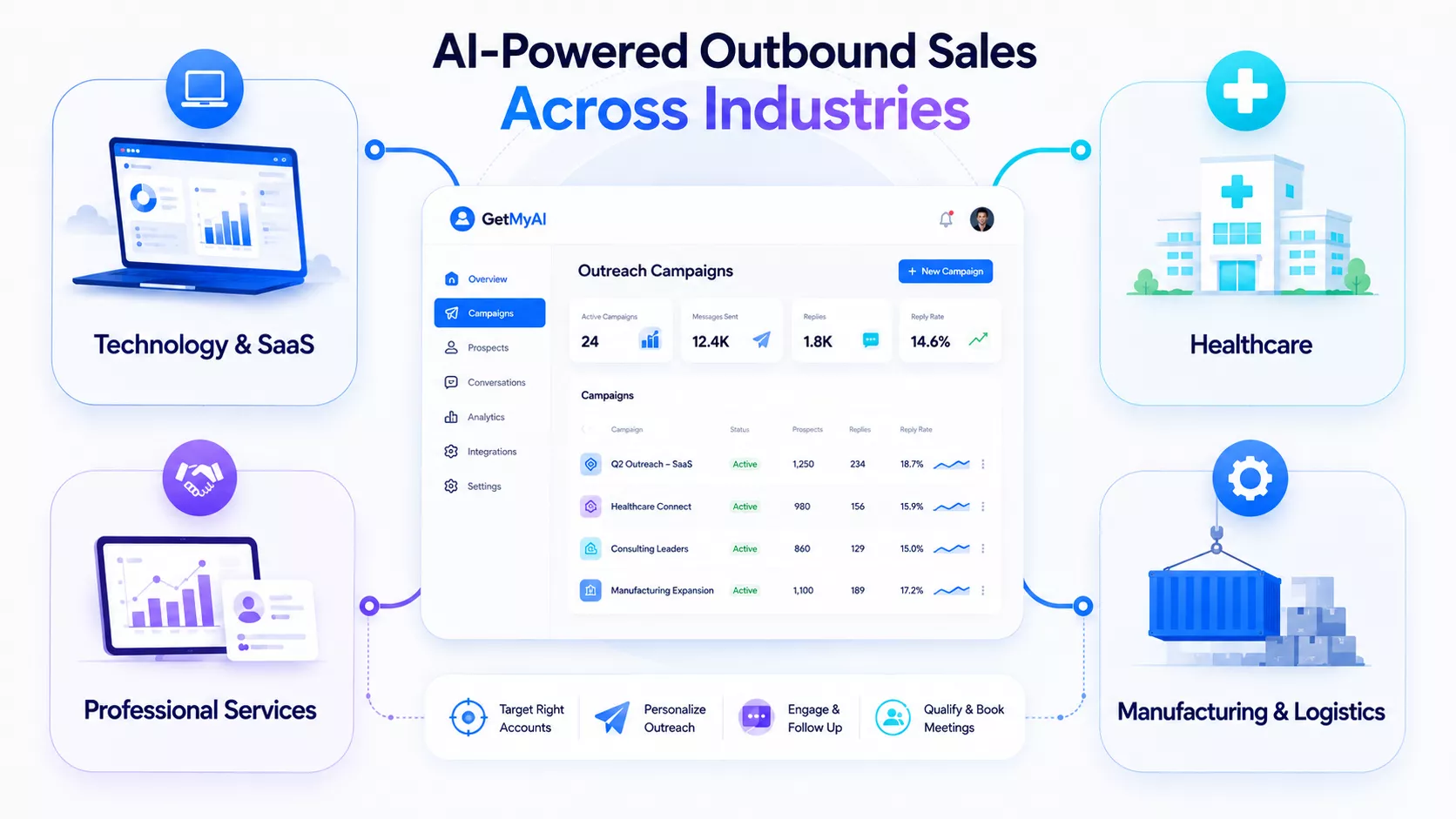
At GetMyAI, we help organizations build, deploy, and manage AI chatbots with agentic capabilities for customer support, sales, employee assistance, and other business workflows. As enterprises scale conversational AI, they need visibility into how AI systems perform, along with tools to monitor, improve, and manage conversations over time.
Our platform provides capabilities that can support enterprise AI operations, including:
- Detailed activity logs to review AI conversations
- Analytics and monitoring tools to track usage and engagement
- Secure infrastructure for enterprise AI deployments
- Human review and agent training workflows for continuous improvement
Inside the GetMyAI dashboard, teams can monitor how their AI chatbots and AI agents respond to users, analyze conversation trends, update knowledge through Q&A, and retrain agents as business information evolves. These capabilities help organizations maintain greater visibility into their AI deployments while supporting responsible AI management and continuous operational improvement.
Plan Your AI Deployment
Discuss your AI chatbot strategy with our team and explore enterprise-ready deployment options built for responsible growth.
Conclusion
As artificial intelligence becomes embedded across enterprise operations, EU AI Act chatbot requirements are evolving from a regulatory obligation into a core business capability. Organizations that establish governance, classify AI systems correctly, maintain transparency, and document decision-making processes will be better prepared to reduce compliance risks while building trustworthy, scalable conversational AI solutions.
Looking ahead, enterprise AI governance will play a central role in how organizations deploy AI responsibly and confidently. Rather than treating compliance as a one-time initiative, businesses should build continuous oversight, monitoring, and accountability into every stage of the AI lifecycle. This approach strengthens operational resilience, supports long-term innovation, and enables enterprises to scale AI with greater confidence and customer trust.
FAQs
1. Are AI chatbots regulated under the EU AI Act?
Yes. The EU AI Act regulates AI chatbots based on how they are used. Customer support chatbots are typically limited-risk, while chatbots used for hiring, finance, healthcare, or education may face stricter compliance obligations.
2. Do AI chatbots always qualify as limited-risk systems?
No. Risk classification depends on the chatbot's intended purpose, not the underlying AI model. Systems influencing employment, credit, education, or healthcare decisions can be classified as high-risk under the EU AI Act.
3. What transparency requirements apply to AI chatbots under the EU AI Act?
Organizations must clearly inform users when they interact with AI. AI chatbot transparency requirements in the EU also require certain AI-generated content or media to be appropriately identified where applicable under Article 50.
4. Who is responsible for compliance when using third-party AI models?
Using a third-party AI model does not transfer compliance responsibilities. Organizations deploying AI chatbots remain responsible for governance, transparency, monitoring, and meeting applicable EU AI Act enterprise compliance requirements.
5. How can enterprises prepare AI chatbots for EU AI Act compliance?
Organizations should inventory AI systems, classify chatbot risks, implement transparency measures, establish governance, maintain documentation, and continuously monitor performance to support responsible AI deployment and long-term regulatory compliance.