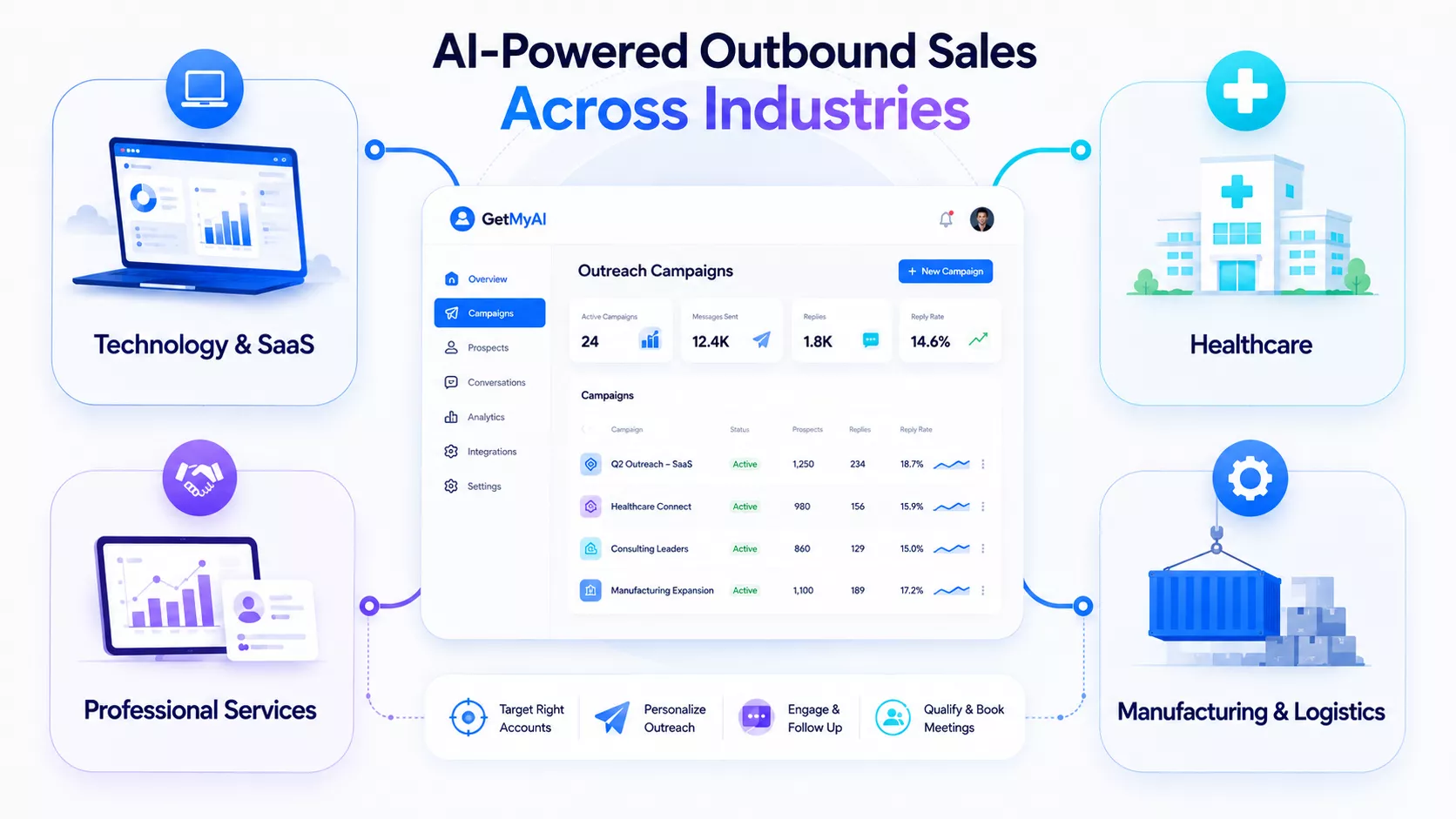
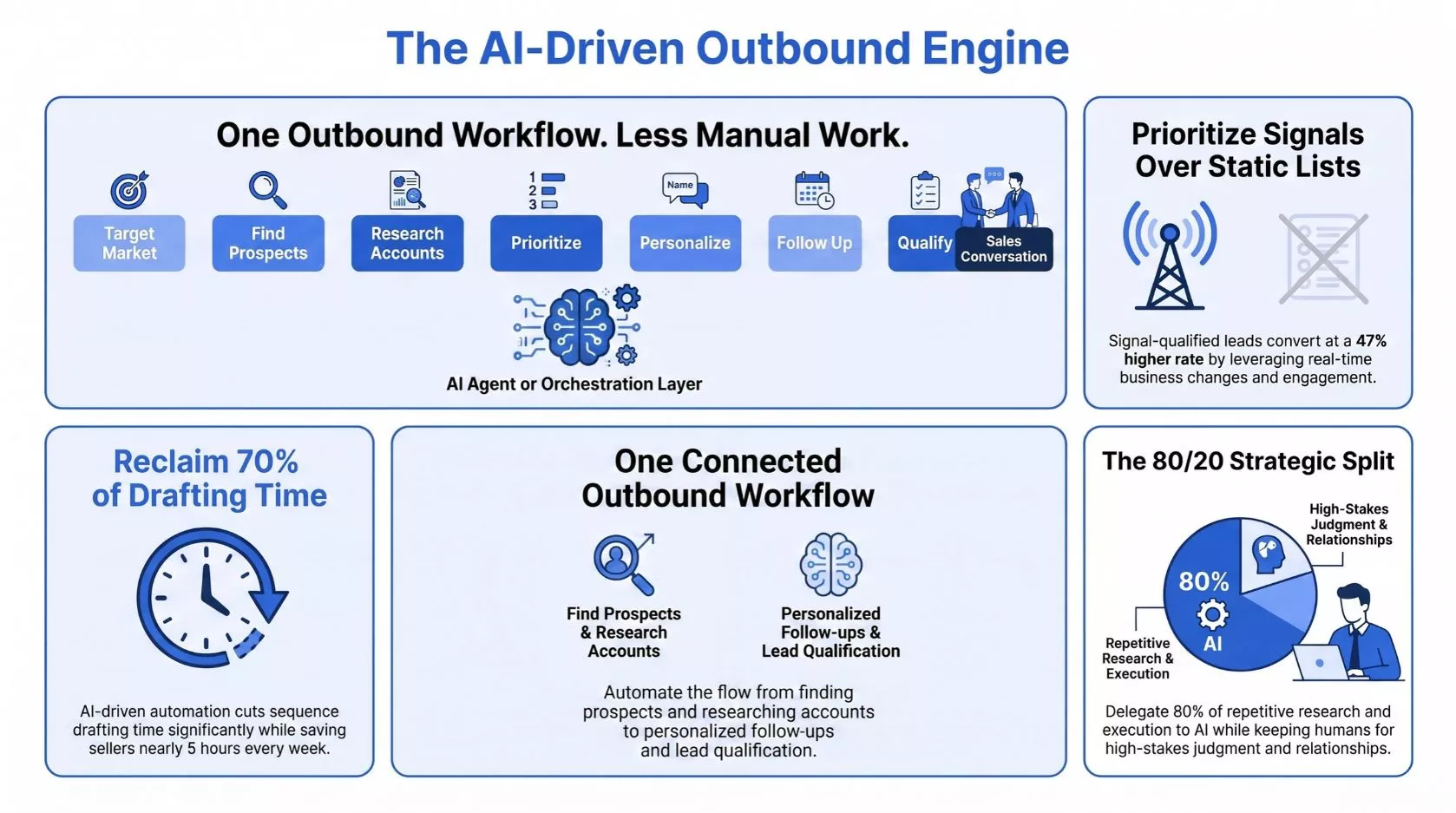
B2B outbound sales is becoming harder to manage manually. Sales teams still spend hours finding prospects, researching accounts, identifying decision-makers and keeping up with follow-ups. Benefits of AI in Sales go beyond saving time: better prospect research…
Experience Boost
Create. Deploy. Engage. With GetMyAI
Launch GPT-powered conversations that engage, support, and convert — all in one platform.
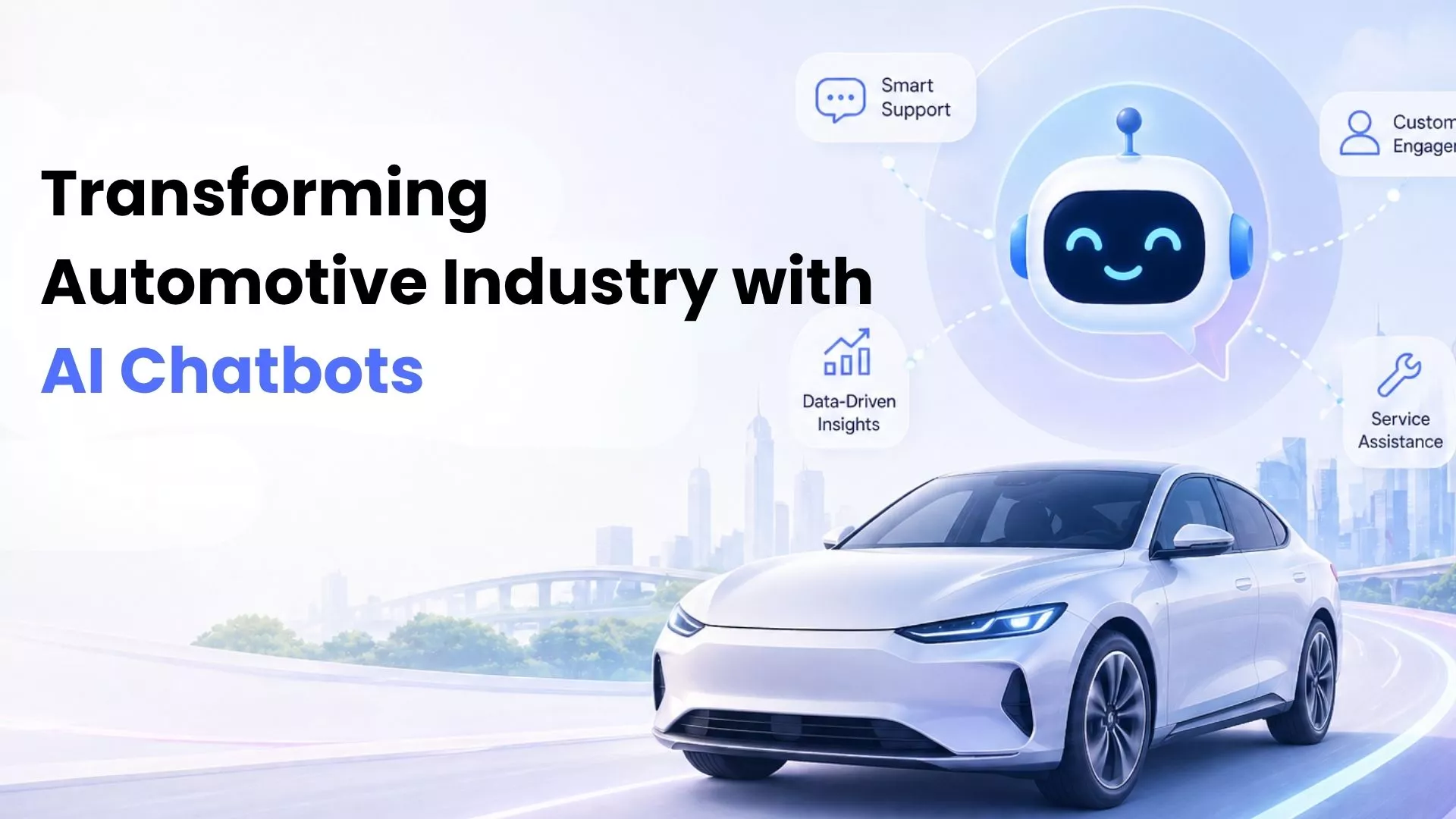
How AI Chatbots are Transforming the Automotive Industry
getmyai
Apr 30, 2026
AI chatbot for automotive industry
automotive AI chatbot
chatbot for car dealerships
conversational AI automotive
Key Takeaways
Speed directly impacts revenue in automotive sales. Faster response times significantly increase lead qualification and conversion, making instant engagement a competitive advantage rather than an operational improvement.
Most dealership inefficiencies come from manual workflows. Repetitive queries, delayed follow-ups, and disconnected systems reduce team productivity and create gaps in the customer journey.
Customers interact across platforms and expect conversations to continue without repetition, making unified communication essential for trust and conversion.
Automation improves both experience and efficiency. Handling routine interactions with AI reduces workload while ensuring customers receive timely, accurate, and relevant responses at every stage.
Dealerships that implement AI-driven systems gain measurable improvements in engagement, cost efficiency, and conversion, while others risk falling behind as expectations continue to rise.
A lot of dealership inquiries come in at different times and across different platforms. Keeping track of each one and responding quickly becomes harder as volume increases, especially during peak hours. Missed or delayed responses often mean lost opportunities. An AI chatbot for the automotive industry helps handle these interactions as they happen, guiding conversations, capturing intent, and keeping responses consistent, so teams can stay responsive without adding extra operational effort.
A chatbot for car dealerships answers questions instantly, captures and qualifies leads, schedules test drives or service appointments, and maintains consistent follow-ups across website and messaging channels. It improves conversion rates, reduces missed inquiries, and ensures customers receive timely, relevant responses without depending on human availability.
Challenges Car Dealerships Face That Limit Conversion and Profit
Most car dealerships struggle with response speed, fragmented systems, and inconsistent follow-ups, which directly reduce lead conversion and customer satisfaction. These problems persist because manual workflows cannot match real-time customer expectations across channels.
Lead Response Delays Reduce Conversion Rates
Dealerships struggle to maintain consistent response speed, especially during peak hours or outside business timings. As response time increases, buyer intent drops quickly, creating missed opportunities. Industry data shows that engaging within minutes significantly improves lead qualification, while slower replies reduce the chances of conversion.
This delay creates an immediate drop-off, especially when competitors respond faster. Conversational AI in automotive retail solves this gap by ensuring instant engagement, but most dealerships still rely on human availability.
Fragmented Customer Journeys Break Continuity
Customers interact across websites, calls, and messaging channels, but dealership systems rarely maintain context across these touchpoints. As a result, buyers must repeat information multiple times, which reduces trust and increases friction.
Industry data shows that 85% of buyers expect to continue where they left off, yet 97% end up repeating steps. This disconnect directly impacts buying confidence and slows down deal completion.
High Operational Workload Limits Team Efficiency
Sales and support teams spend significant time handling repetitive questions, follow-ups, and scheduling tasks. This creates bottlenecks and reduces time available for high-value interactions like closing deals.
In many dealerships, up to 70–80% of initial inquiries are repetitive, which makes manual handling inefficient and expensive at scale.
After-Hours Leads Go Uncaptured
A significant number of dealership inquiries occur when teams are offline, leaving potential buyers without immediate responses. These delayed interactions often lose momentum, as customers move on quickly when their intent is not addressed in real time, resulting in missed opportunities.
This creates a hidden revenue loss, as customers often move forward with the first dealership that responds.
These issues build on each other. Slow responses, broken journeys, and missed follow-ups lead to a steady drop in conversion rates. Over time, speed and consistency become essential to performance, shaping how effectively teams capture and convert opportunities.
Automate Your Dealership Conversations
Replace manual follow-ups with consistent, real-time engagement.
Conversational AI for automotive improves response speed, consistency, and operational efficiency, directly impacting lead conversion and customer experience. These benefits are measurable, and dealerships adopting them see clear gains in both revenue and process performance.
Faster Response Times That Increase Lead Conversion
AI chatbots respond instantly to every inquiry, removing delays that reduce lead quality. Studies show that responding within 5 minutes makes businesses 21x more likely to qualify a lead, while AI systems often respond in seconds.
This speed creates a first-mover advantage, where 78% of buyers choose the first responder, making response time a direct revenue driver.
Continuous Engagement That Captures More Leads
Chatbots for car dealerships remain active at all times, ensuring no inquiry is missed regardless of timing. Around 40% of dealership leads come after business hours, and AI ensures these interactions are captured and qualified immediately.
This shifts dealerships from limited availability to continuous engagement without increasing headcount.
Consistent Follow-Ups That Improve Conversion Rates
AI chatbots automate follow-ups across multiple touchpoints, ensuring no lead is ignored or forgotten. Since 80% of sales require 5 to 12 follow-ups, automation ensures consistency that manual teams often fail to maintain.
This reduces lead drop-off and increases the likelihood of moving prospects through the sales funnel.
Reduced Operational Load and Lower Costs
An automotive AI chatbot handles repetitive inquiries and routine interactions, allowing teams to focus on high-value conversations. In many dealerships, 70 to 80% of initial queries are repetitive, making them ideal for automation.
This reduces workload pressure and can lower support and sales operation costs significantly without affecting service quality.
More Relevant and Personalized Customer Interactions
AI chatbots analyze user behavior and context to provide tailored responses, recommendations, and next steps. Research shows that 84% of consumers say personalization influences their purchase decisions, making this a critical factor in automotive sales.
A chatbot for automotive customer support creates smoother buying journeys and improves customer confidence during decision-making.
These benefits are interconnected. Faster responses, consistent follow-ups, and continuous availability combine to create a system where every interaction is captured, qualified, and progressed, turning operational efficiency into a direct competitive advantage.
Core Use Cases for Car Dealerships
An AI chatbot for car dealerships operates across the sales process, handling real interactions as they happen. Each use case reflects a moment where delays, confusion, or missed follow-ups typically occur and replaces them with immediate action.
Lead Capture
A visitor lands on your website late at night and starts browsing SUVs. No one is available to respond, but the AI engages instantly. It asks what they are looking for, their budget, and when they plan to buy. AI lead generation for automotive captures this intent immediately and turns it into actionable data.
Collects name, contact details, and preferences
Filters high-intent buyers based on responses
Sends lead data for follow-up
Instead of losing the visitor, the conversation moves forward in real time.
Booking
A customer wants to schedule a test drive without waiting for a callback. The AI agents are used to automate appointment scheduling by showing available slots, confirming the booking instantly, and sending reminders, ensuring the entire process is completed in one seamless interaction without delays.
Displays real-time availability
Confirms bookings instantly
Sends reminders to reduce no-shows
The process becomes immediate and frictionless instead of delayed and manual.
Vehicle Search
A buyer is unsure which car fits their needs. Instead of browsing endlessly, they describe what they want. AI-powered vehicle recommendations guide the selection process by narrowing options based on preferences, price range, and usage.
Understands intent through simple questions
Filters inventory based on budget and usage
Recommends suitable options instantly
This reduces decision fatigue and keeps the user engaged.
Customer Help
A customer asks about pricing, availability, or service details. Instead of waiting on hold or for an email reply, the AI responds instantly with accurate, consistent information, resolving queries in real time and reducing dependency on human support teams.
Handles common queries without delays
Provides consistent answers across interactions
Reduces load on support teams
The experience feels immediate and reliable.
Service Follow-Up
After a purchase, most dealerships rely on manual reminders. An AI chatbot to automate dealership lead follow-up tracks service timelines, identifies when maintenance is due, and proactively reaches out with timely reminders, helping bring customers back for service without relying on manual follow-up.
Sends maintenance reminders automatically
Re-engages customers at the right time
Encourages repeat visits
This keeps customers connected instead of losing them after the sale.
Engage Visitors in Real Time
Start conversations at the right moment and capture buying intent instantly.
AI chatbots in car dealerships operate as interaction systems that capture intent, respond instantly, and move conversations toward results like bookings, inquiries, or purchases. With automotive CRM AI integration, they replace fragmented communication with a continuous flow, ensuring no lead or query is left unattended at any stage.
The chatbot engages users across channels, captures intent, processes queries, and delivers responses while maintaining conversation continuity without requiring users to repeat information or context.
It converts conversations into data by collecting preferences, contact details, and intent signals, enabling faster qualification and more focused follow-up actions by teams.
The system identifies gaps in responses, updates knowledge sources, and improves accuracy over time, ensuring future interactions become more relevant, complete, and reliable.
It tracks engagement, response time, and feedback patterns, helping teams measure performance, identify issues, and continuously optimize how conversations are handled.
A multilingual AI chatbot for automotive dealerships interacts with customers in multiple languages, communicating with diverse audiences without additional human resources.
This ensures conversations are not isolated interactions but part of an ongoing system that learns, adapts, and improves. The result is a more efficient, data-driven process where every interaction contributes to better performance and stronger business outcomes.
Breaking Down Sales Tasks Across AI and Human Handling
An AI chatbot for vehicle sales handles repetitive, time-sensitive tasks with speed and consistency that human teams cannot match at scale. It removes delays in response, follow-up, and coordination, allowing dealership staff to focus on high-value interactions like closing deals and building trust.
Task Area
AI Capability
Human Limitation
Lead Response
Replies within seconds, 24/7, across all inquiries
Delays due to workload, shifts, or after-hours gaps
Lead Qualification
Asks structured questions and scores intent instantly
Time-consuming manual filtering and inconsistent qualification
Appointment Scheduling
Books test drives or service slots in real time with confirmations
Requires back-and-forth communication and calendar coordination
Follow-ups
Sends consistent, multi-touch follow-ups without fatigue
Often inconsistent; many leads receive limited or no follow-up
Customer Queries
Answers FAQs instantly with consistent accuracy
Repetitive workload reduces efficiency and response quality
Data Capture
Collects and structures user data during conversations automatically
Manual entry increases errors and slows down processes
After-hours Engagement
Handles inquiries anytime, capturing late-night or off-hour leads
No availability outside business hours
Performance Tracking
Tracks engagement, response time, and feedback continuously
Requires manual reporting and delayed analysis
The key shift is not replacement but reallocation. An Automotive AI chatbot handles volume, speed, and repetition, while humans focus on judgment, negotiation, and relationship building, where it matters most.
Future Trend: What’s Pushing Automotive Teams Toward AI Chatbots
The shift from basic automation to agent-driven systems is already underway. An AI chatbot for the automotive industry no longer just answers questions. It executes actions, qualifies buyers, and moves deals forward. At the same time, customer expectations have changed. Buyers expect instant responses, seamless journeys, and zero repetition across channels.
The gap between expectation and reality is now measurable. Studies show 82% of customers expect immediate responses, while delays beyond five minutes can reduce conversion rates by up to 10x. Dealerships still relying on manual processes struggle to keep up, especially when 40% of inquiries happen after business hours. An automotive AI chatbot directly addresses this gap by ensuring speed, continuity, and availability.
Speed-to-lead now defines conversion: First responders win up to 78% of deals, making response time a competitive advantage, not just a service metric.
Buyers complete more steps online: Customers who save around 42 minutes in-store report higher satisfaction, raising expectations for digital continuity.
Agentic AI is replacing passive tools: Systems now act on intent, schedule actions, and guide decisions instead of waiting for prompts.
Competitive pressure is increasing: Early adopters report up to 30% more appointments and significant cost reductions, widening the gap with slower competitors.
Multi-channel is standard: Customers move between web, chat, and messaging, expecting conversations to continue without restarting or repeating context.
The timing is not early anymore. It is operational. Businesses that align now build speed, consistency, and control into their sales process before it becomes the baseline expectation.
Build and Deploy AI Agents for Your Dealership with GetMyAI
GetMyAI is a conversational AI platform that enables automotive dealerships to build, train, and deploy AI agents without writing a single line of code. You can launch an AI assistant directly on your website, WhatsApp, Slack, or Telegram, ensuring every customer interaction is captured and handled in real time.
The setup process is simple and controlled from a single Dashboard. You create an agent, upload your knowledge sources, customize the chat interface, and deploy instantly. This makes it one of the best AI chatbots for car dealerships in 2026 for teams that want speed without technical complexity.
No-code setup
Create, train, and deploy AI agents in minutes without engineering support, making it accessible for sales, support, and operations teams.
Multi-channel deployment
Connect your agent across website, WhatsApp, Slack, and Telegram to deliver consistent conversations wherever customers engage.
Dashboard control
Manage agents, monitor usage, and control performance from a centralized interface built for real operational visibility.
From Chat Activity to Analytics
Review real conversations, fix unanswered questions through Q&A, and track performance metrics to continuously improve accuracy and outcomes.
GetMyAI fits directly into your dealership’s operations by converting everyday conversations into qualified leads, booked appointments, and actionable insights. Instead of adding another tool, it strengthens how your team captures demand, responds faster, and improves outcomes across the entire customer journey without increasing workload.
FAQs
How do chatbots help car buyers research and compare models?
An automotive AI chatbot helps buyers compare models by asking about budget, usage, and preferences, then filtering inventory and presenting relevant options. It simplifies research, reduces decision time, and keeps buyers engaged with personalized, data-driven recommendations.
How does an AI chatbot handle car financing questions?
An AI chatbot for vehicle sales answers financing questions by explaining loan options, estimating monthly payments, and guiding users through pre-qualification steps. It provides instant clarity, helping buyers understand affordability without waiting for a sales representative or manual response.
How do chatbots improve automotive customer service?
A chatbot for automotive customer support improves service by providing instant responses, reducing wait times, and handling repetitive queries consistently. It ensures customers get accurate information quickly, which increases satisfaction while allowing human teams to focus on complex issues.
Which automotive brands are using AI chatbots successfully?
Leading brands are adopting conversational AI automotive solutions to handle customer interactions, support, and lead generation at scale. These implementations help improve response speed, personalize experiences, and streamline operations, giving brands a measurable advantage in customer engagement and conversion.
We’ve noticed that a surprising amount of a sales rep’s day is still spent preparing to sell rather than actually selling. Building lists, researching accounts, finding the right contacts, writing outreach and chasing follow-ups can consume hours before a mean…
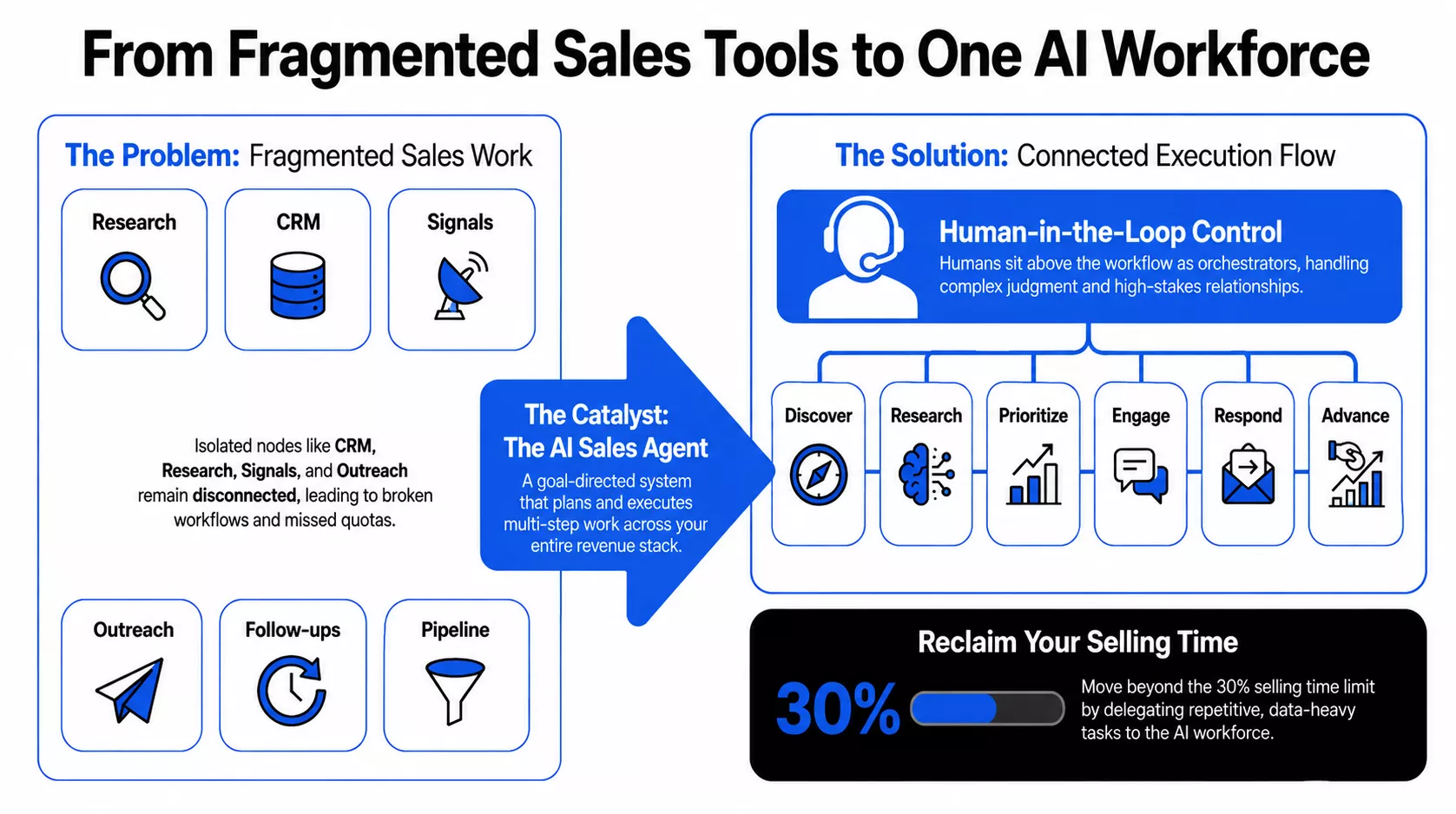
Sales teams have more AI than ever, yet the productivity problem remains. Sales AI Agents can take repetitive work off your team's plate, but adding another tool does not automatically improve execution. In 2026, 78% of B2B sellers missed quota in 2025, w…