10 Use Cases of AI Chatbots to be Implemented in the SaaS Industries

Key Takeaways
- AI chatbots help SaaS companies handle support, onboarding and lead vetting without their costs spiralling at the same pace.
- SaaS teams now use conversational AI to clear out routine tickets, smooth out the onboarding flow and get back to sales leads much faster.
- Context-aware bots keep customers interested by offering personalized tips and multilingual help right inside the product.
- Modern SaaS companies rely on these systems to see what’s happening in real-time, support their employees and track how customers actually feel.
- AI-native SaaS businesses are achieving stronger operational efficiency by embedding conversational systems directly into customer and internal workflows.
Every SaaS executive wants growth. Very few want the operational cost curve that comes with it. As acquisition channels become more expensive and customer expectations continue rising, enterprise SaaS leaders are under pressure to improve retention, reduce support dependency and scale customer operations without scaling overhead at the same pace. That pressure is driving serious investment in conversational AI for SaaS as this industry approaches a trillion-dollar trajectory.
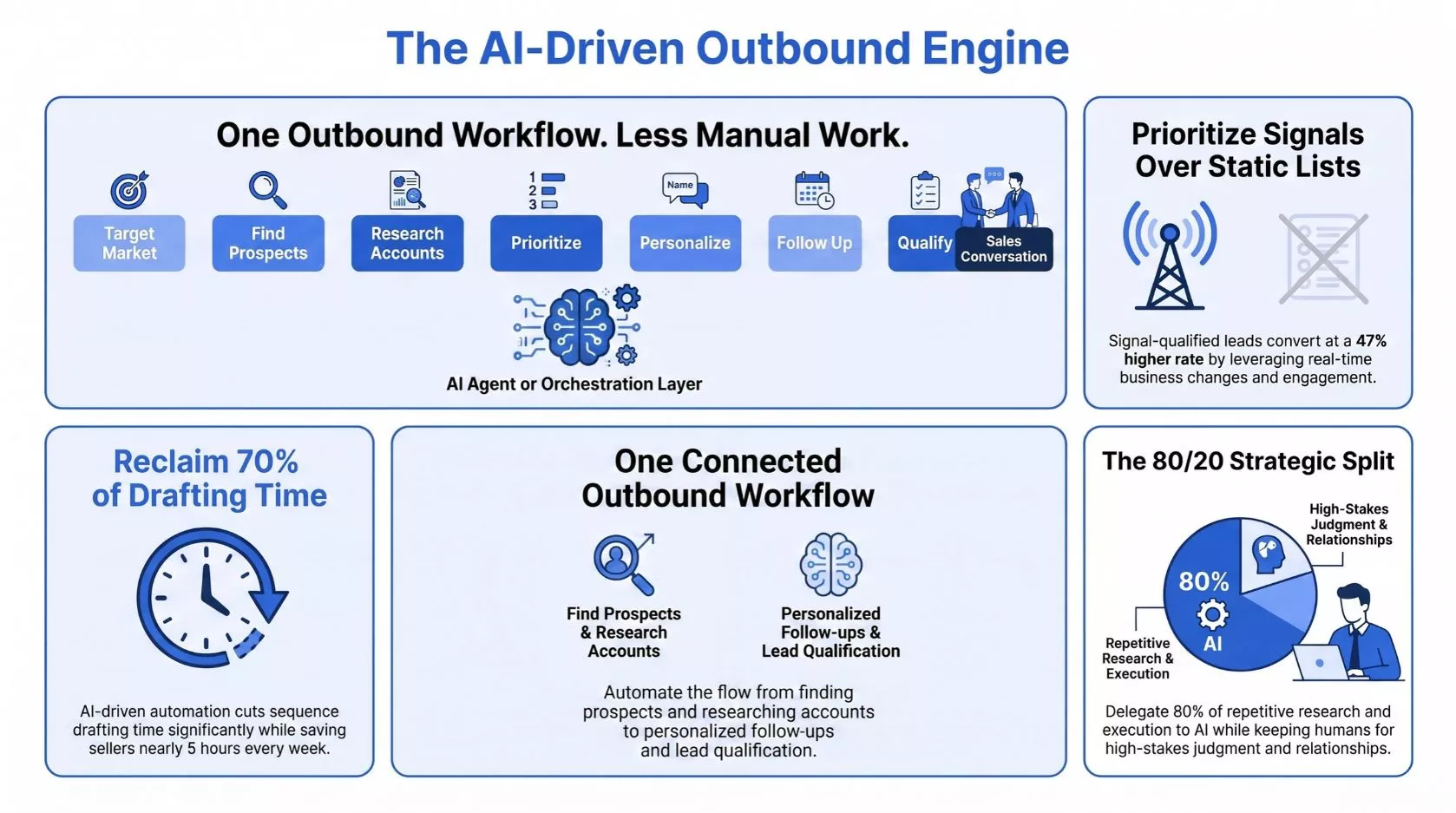
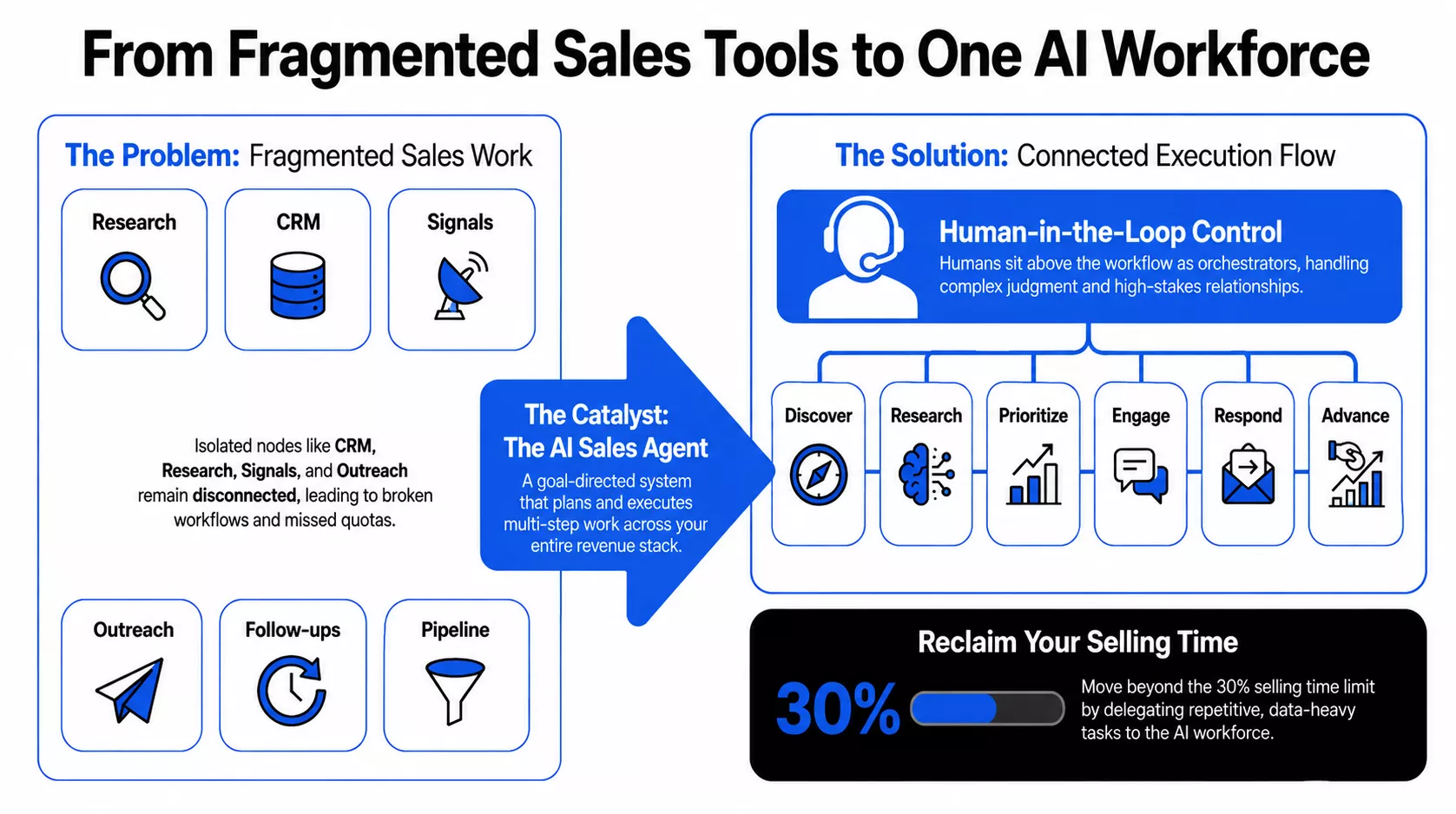
An AI chatbot for SaaS platforms is becoming a strategic operational layer across customer support, onboarding, lead qualification, and account expansion. With AI-native SaaS companies growing significantly faster than traditional SaaS vendors in an industry approaching trillion-dollar scale, conversational systems are now directly influencing retention metrics, onboarding velocity, conversion efficiency and operational scalability across high-volume SaaS environments.
Why AI Chatbots Have Become Core Infrastructure for SaaS Companies
AI chatbots are now the core of modern Software as a Service products as they depend on continuous user engagement, instant support, and scalable operations. AI-powered SaaS support now provides services across onboarding, retention, lead qualification and internal workflows instead of functioning only as a support layer.
Users expect immediate answers inside the product experience. Customer support AI for SaaS platforms helps businesses reduce dependence on human-only support models while maintaining fast response times across global user bases. This operational shift directly impacts efficiency, retention, and product adoption.
Starting with research from Nelson Advisors and Bessemer Venture Partners, it’s clear that AI-native SaaS firms are crushing it, bringing in between $500,000 and over $1 million per employee. Traditional SaaS companies, on the other hand, usually sit somewhere between $200,000 and $400,000. That’s a massive gap, and it really shows how much conversational AI has become the secret to scaling a SaaS business without bloat.
Most modern SaaS chatbots now use contextual retrieval and meaning-based search to deliver accurate answers from documentation, Q&A systems and internal knowledge sources instead of relying on simple keyword matching.
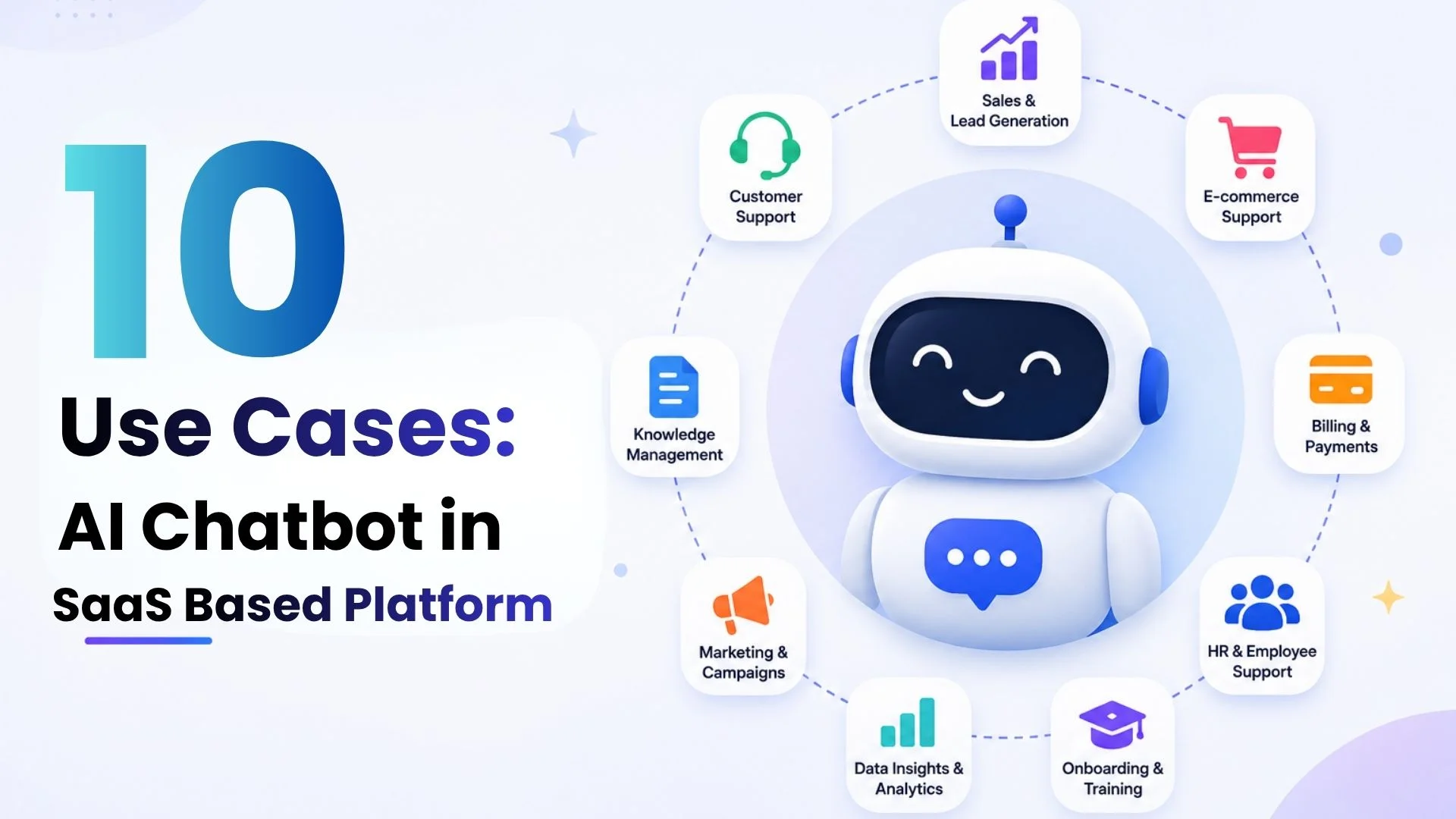
10 High-Impact AI Chatbot Use Cases in SaaS
AI chatbots now support multiple operational layers inside SaaS businesses, from customer support and onboarding to lead qualification and retention. The most effective implementations reduce repetitive workload, improve response speed and create scalable customer engagement without requiring proportional growth in support teams.
1. Automating Repetitive Customer Support Queries
One of the most common AI chatbot use cases for SaaS companies is automating repetitive customer conversations that consume large volumes of support resources daily. These include password resets, billing issues, subscription plan questions, feature availability and account access requests.
AI customer support for SaaS platforms helps businesses provide instant assistance without requiring users to wait for human agents. This becomes especially important for global SaaS products operating across multiple time zones. An AI chatbot for after-hours customer support ensures users continue receiving answers even when internal teams are offline.
Industry research shows many SaaS companies now automate more than 80% of routine support interactions using AI-driven support systems trained on documentation, FAQs and product knowledge. The operational impact includes lower ticket volumes, faster response times, reduced support costs, and improved customer satisfaction.
Automate SaaS Support Without Expanding Teams
Reduce repetitive SaaS tickets and deliver instant support responses across multiple customer interaction channels.
2. Interactive User Onboarding for Faster Product Adoption
Many SaaS users abandon products early because onboarding feels confusing, technical, or time-consuming. An AI chatbot for SaaS onboarding automation helps reduce this friction by guiding users through setup and activation in real time.
Common onboarding problems in SaaS:
- Users skip important setup steps
- Product workflows feel overwhelming
- Feature discovery happens too late
- Support teams spend time answering repetitive onboarding questions
How SaaS chatbots solve this:
- Guide users step-by-step during account setup
- Explain workflows contextually inside the product
- Trigger help based on user behavior
- Direct users toward activation milestones faster
A SaaS AI chatbot for user engagement keeps onboarding interactive instead of static. This improves feature adoption, shortens time-to-value and increases the likelihood that trial users become long-term customers.
3. Real-Time Lead Qualification on SaaS Websites
An AI lead generation chatbot for SaaS helps businesses engage high-intent visitors before they leave the website. Instead of waiting for form submissions, the chatbot starts conversations instantly and guides prospects through a qualification flow.
How the qualification funnel works
Visitor Engagement: The chatbot proactively starts conversations when users visit pricing, demo or feature pages.
Qualification Questions
It asks questions about:
- Company size
- Budget
- Current tools
- Use case requirements
- Timeline
Lead Capture: The chatbot collects contact details and stores business requirements automatically.
Sales Routing: Qualified prospects are routed to the right sales or onboarding team immediately.
For example, a project management SaaS platform can use a chatbot to identify whether a visitor is a startup, agency, or enterprise buyer before recommending the correct product tier or booking a demo.
4. Booking Product Demos and Sales Meetings Automatically
A lot of SaaS companies still lose good leads because booking a demo takes too long. People fill out forms, wait for email replies, or go back and forth trying to find the right meeting time. An AI chatbot for scheduling appointments makes this much easier by letting prospects book meetings directly during the conversation.
Instead of sending users through multiple pages and calendars, the chatbot asks a few simple questions, understands what the visitor needs and suggests available demo slots right away. This helps sales teams connect with interested prospects much faster.
Industry benchmarks from 2026 show that AI-native SaaS companies close deals faster than traditional SaaS businesses. One reason is that AI tools help shorten qualification and scheduling steps, which keeps the sales process moving.
An AI sales assistant can also connect with scheduling platforms to check availability and confirm bookings automatically. If one calendar option does not work, the system can try another connected scheduling tool without interrupting the booking process.
5. Personalized Upselling and Feature Recommendations
AI-powered customer engagement helps SaaS companies increase expansion revenue by recommending upgrades and premium features based on actual product usage instead of generic sales campaigns.
| User Behavior Trigger | AI Chatbot Action | Business Outcome |
| User repeatedly hits plan limits | Suggests higher-tier subscription | Increases upgrade conversions |
| User explores advanced features | Recommends premium add-ons | Improves feature adoption |
| User compares pricing pages frequently | Offers contextual plan guidance | Reduces purchase hesitation |
| User uses one workflow heavily | Suggests complementary tools or integrations | Expands account value |
An AI chatbot works especially well inside SaaS dashboards because recommendations happen during active usage instead of through disconnected marketing emails. This increases customer lifetime value while keeping upselling relevant, contextual, and less intrusive for users.
6. Intelligent Technical Troubleshooting Inside the Product
Today’s SaaS users want support directly inside the product experience. AI-driven support ticketing helps companies fix login problems, feature-related questions, setup issues, and workflow mistakes through chatbot conversations linked to product documents and help resources.
Research shows AI systems can now solve over 80% of routine L1 and L2 support interactions in many SaaS environments. The chatbot first guides users with step-by-step troubleshooting and only transfers complex issues to human support teams when required.
7. Collecting Product Feedback and User Sentiment in Real Time
It’s tough to pinpoint why users ghost a feature or skip an upgrade. Instead of guessing, use an AI chatbot for lead generation to catch them right after they finish a task or a support chat. Capturing their thoughts in the moment while the experience is top-of-mind gives your product team the "why" behind the data.
For instance, a quick "How was the setup?" right after a user builds their first dashboard can reveal a clunky workflow before it turns into a reason to churn.
- Spot friction before it hurts retention.
- Fix onboarding by listening to real-time frustrations.
- Build what matters using actual user sentiment, not hunches.
8. Supporting Global SaaS Customers Across Multiple Languages
Most SaaS companies underestimate how much language friction costs them internationally. Users who cannot get clear answers in their own language disengage quickly and no product feature compensates for that. An AI chatbot with multilingual support helps businesses close this gap without building regional support teams from scratch for every market.
Real-time multilingual support allows users to ask questions, troubleshoot issues and complete onboarding flows in their preferred language. This improves communication clarity, reduces friction during support interactions and builds customer confidence during product adoption across diverse regions.
For global SaaS deployments, consistency across websites, dashboards and messaging channels becomes operationally important at scale. Businesses can expand into new markets faster while maintaining the same support quality across every language and user segment they serve.
9. Internal IT and Employee Support Automation
Scaling a SaaS company is hard enough without your IT and HR teams being buried under the same five questions every day.
- Instant Answers: Grab HR docs or IT guides in seconds, not hours.
- Slack-First: Resolve issues where your team actually hangs out.
- End the Busywork: Automate the repetitive stuff like access requests and resets.
Keep your workflows fast and your headcount lean by making your internal knowledge work for you.
10. Proactive Churn Reduction and Customer Retention
SaaS companies now use AI systems to identify churn risks before users cancel subscriptions. Modern AI chatbots for SaaS focus heavily on behavioral monitoring, contextual intervention, and proactive customer engagement.
How the Retention Flow Works
If a user stops using your features or keeps hitting a wall, they’re on their way out. AI cuts through the noise by flagging low engagement and negative vibes in real-time.
- Spot the Slump: Identify inactivity before it becomes a habit.
- Kill Friction: Drop in contextual help exactly where they’re stuck.
- Protect Your Bottom Line: Top SaaS teams aren't just surviving; they’re hitting 130% NRR by staying two steps ahead of every user.
This highlights how AI chatbots in SaaS businesses increasingly influence long-term customer value and expansion revenue.
What SaaS Companies Should Look for in an AI Chatbot Platform
Choosing the best AI chatbot for SaaS companies requires evaluating operational scalability, knowledge quality, deployment flexibility, and long-term usability instead of only comparing automation features.
Buyer Evaluation Checklist
- Context-aware retrieval and knowledge training: The platform should retrieve answers based on conversational meaning while supporting PDFs, documents, URLs, Q&A entries, and knowledge bases for continuous improvement.
- User Interaction and Analytics monitoring: SaaS teams need visibility into conversation history, unanswered questions, engagement metrics, response quality, and usage trends to improve AI performance using real interaction data.
- Human escalation and control: Enterprise AI chatbot for SaaS companies should support escalation workflows, teammate permissions, visibility settings, and controlled access management.
- Multi-channel deployment and integrations: Businesses increasingly need deployment across websites, communication channels, scheduling tools, and customer interaction environments to maintain consistent support experiences.
- No-code deployment and management; Modern SaaS teams prefer platforms that allow non-technical users to create, customize, deploy, and manage AI agents without depending heavily on developers.
Choose a No-code AI Chatbot Platform for Long-Term SaaS Scalability
Deploy no-code AI chatbot workflows without depending heavily on engineering resources or technical implementation teams.
Why SaaS Companies Are Moving Toward AI-Led Customer Operations
SaaS businesses are moving toward AI-led customer support because traditional engagement models cannot keep up with growing user needs. Modern users expect answers as fast as possible, easy onboarding instructions, proactive assistance, and consistent engagement across the entire product lifecycle.
What Is Driving This Shift?
| Operational Need | How AI Supports It |
| Faster customer support | Instant responses through SaaS customer service chatbot systems |
| Scalable onboarding | Guided product education and contextual assistance |
| Lead capture and qualification | Automated conversational engagement |
| Retention and engagement | Proactive support based on user behavior |
| Internal operations | Faster access to documentation and workflows |
AI automation solutions are now becoming embedded operational infrastructure instead of standalone support tools. This allows SaaS teams to improve customer experience without increasing operational headcount proportionally.
Why Choose GetMyAI for SaaS Customer Operations
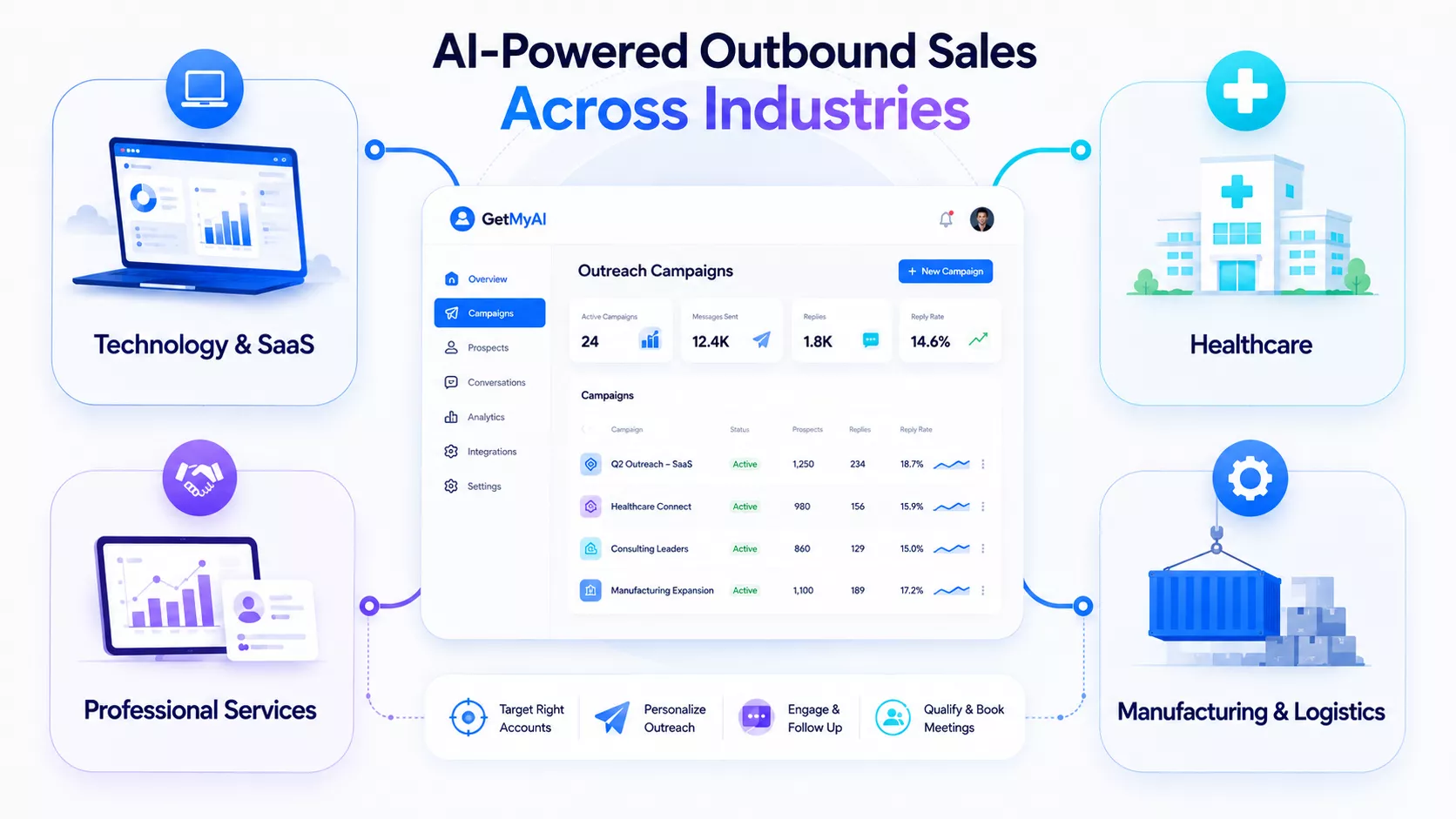
SaaS businesses need more than a basic chatbot to support onboarding, customer engagement, lead qualification, and operational scalability. GetMyAI helps companies build and deploy AI agents that operate across customer support, internal workflows, and revenue-focused interactions from one centralized environment.
Built for SaaS Operations
- Context-aware responses trained on documents, URLs, PDFs, and Q&A
- Activity tracking and unanswered question improvement workflows
- Multi-channel deployment across websites, Slack, WhatsApp, and Telegram
- Meeting booking through Calendly, Google Calendar, and Cal.com
- No-code deployment and customization
Operational Visibility and Continuous Improvement
- Analytics for conversations, engagement, response quality, and channels
- Chat logs and Improvement workflows for ongoing optimization
- Controlled access management and deployment visibility settings
GetMyAI lets SaaS teams build conversational tools at scale without leaning so hard on their engineering resources. As customers start to expect instant and personal support, using AI-driven systems is becoming a must for any SaaS company that wants to keep growing.
Simplify SaaS Customer Support
Manage customer support, lead qualification and engagement workflows through flexible AI-powered operational systems.
FAQs
How can AI chatbots improve SaaS customer support?
AI customer support for SaaS platforms helps businesses automate repetitive queries, reduce ticket volumes, provide 24/7 assistance, and improve response speed using context-aware answers connected to product documentation and internal knowledge sources.
Why do SaaS companies need conversational AI?
Conversational AI for SaaS helps businesses improve onboarding, automate customer engagement, qualify leads, and support users in real time without increasing operational workload proportionally as the customer base grows.
What are the top SaaS chatbot use cases?
Common AI chatbot use cases in SaaS businesses include customer support automation, onboarding guidance, lead qualification, technical troubleshooting, multilingual support, appointment scheduling, feedback collection, and proactive churn reduction.
Which AI chatbot is best for B2B SaaS?
The best conversational AI platform for SaaS should support contextual retrieval, document training, analytics visibility, human escalation, multi-channel deployment, and scalable no-code management for customer-facing and internal operations.
What are the AI chatbot benefits for SaaS startups?
AI automation solutions help SaaS startups reduce support costs, improve onboarding experiences, automate lead capture, shorten response times, and scale customer engagement without requiring large operational teams.