Conversational Marketing Examples That Drive Real Revenue


Traffic does not close deals. Conversations do. Many companies invest in ads, SEO, and content, but their websites still depend on static forms and delayed email replies. When a buyer has a question, waiting hours or days breaks the momentum. Buying intent fades fast. Real-time chat removes that delay and moves decisions forward while attention is still close.
This is why conversational marketing examples matter. They show how structured chat replaces passive contact forms and scattered follow-ups. Instead of waiting, brands guide, qualify, and capture data inside the same session. A well-trained AI agent asks focused questions, collects intent, and triggers actions instantly.
Here, we focus on practical use cases and measurable outcomes. They rely on real-time interaction, trained knowledge, structured responses, and performance tracking to improve over time. The goal is simple. Capture serious buyers when they are ready to engage. Guide them clearly. Reduce delay. Help them move from interest to decision in the same session.
What Makes Conversational Marketing Work
Conversational systems work because they reduce friction. A user asks a question. The system answers immediately. No waiting. No email chains. Context-driven responses matter. A trained chatbot for lead generation does not ask random questions. It qualifies the budget, timeline, and use case with a purpose.
At the same time, Conversational AI for customer engagement keeps users moving through the buying journey. It provides product answers, handles objections, and triggers automated tasks when specific intent signals appear. When a visitor requests pricing, an Action can log the request, notify sales, and capture contact data in seconds.
6 Conversational Marketing Examples
1. GetMyAI for AI Chatbots for Lead Qualification
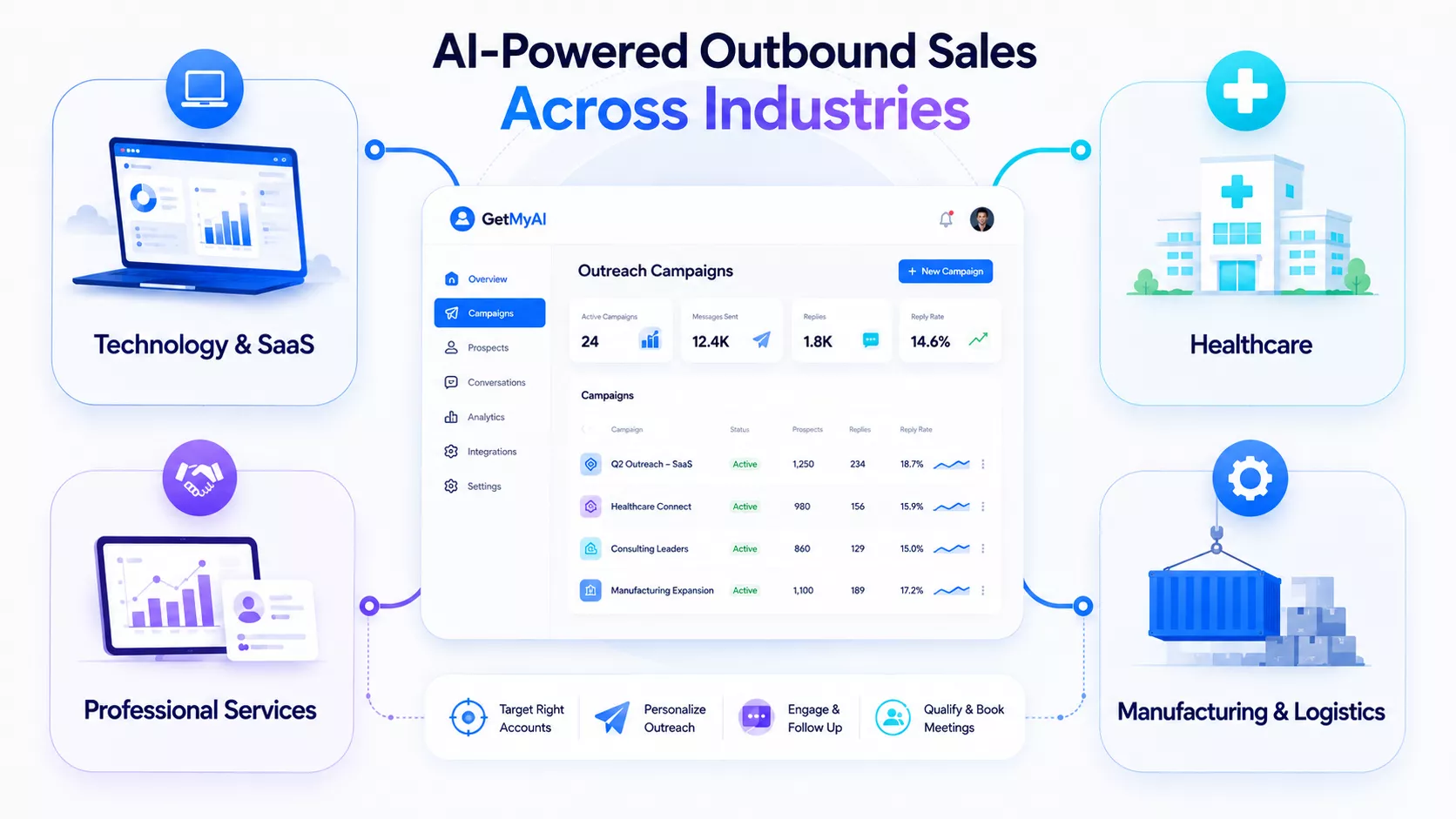
GetMyAI changes a basic website chat into a powerful lead screen tool. Instead of asking users to fill out long forms, the bot welcomes them and asks simple questions. It collects important details and checks if the visitor matches your target customer. This system works as an AI chatbot for lead generation and allows teams to spend time only on serious prospects.
How it works:
The chatbot moves through clear questions step by step and stores every reply. When a visitor meets the set requirements, they are routed to sales. If they do not match, the bot shares useful content to help them further. Teams upload documents and update Q&A for better answers. Automated triggers can send alerts or store lead data.
Why it works:
- Screens lead quickly
- Saves team effort
- Uses performance data to improve
How to use it:
Install it on your site, connect messaging channels, review chats often, and refine Q&A for stronger accuracy.
2. Sephora For Messenger-Based Engagement
Sephora talks to customers through instant chat on its site. Shoppers can ask about shades, prices, and new launches in one simple window. The tool helps answer questions while moving users toward a purchase. It highlights how Conversational AI for customer service improves speed and clarity during shopping.
How it works:
A customer sends a message online. The bot asks about skin tone, needs, and favourite brands. It then recommends products and shares simple guides within the same conversation.
Why it works:
- Chat messages are seen quickly
- Advice feels made for the customer
- Instant answers increase purchase comfort
How to use it:
Place chat on your site or messaging apps. Design clear question flows and link responses directly to product listings.
3. Indochino For Conversational Forms
Indochino uses a smart chatbot for website experience to replace long, confusing forms. Instead of asking customers to fill out many fields at once, the process feels like talking to a personal tailor. The system asks for body measurements one step at a time. This removes pressure and helps users complete the task with confidence.
How it works:
Customers see one question at a time. If they need to measure their neck, a short video shows how. The same happens for the chest and other steps. Each question has a clear input box below it. The flow moves forward only after the answer is added.
Why it works:
- Makes long forms feel easier
- Guides users with helpful visuals
- Raises from completion numbers
How to use it:
Split long forms into small steps. Add clear visuals to guide users. Use a chatbot to gather answers step by step and keep people engaged until they finish.
4. King Living For AI Agents for Customer Support
King Living uses an AI chatbot for customer support to answer product and delivery questions instantly. Customers do not wait in long queues or send emails that take days. The AI works all day and night, giving fast and clear answers about sofa sizes, materials, customization, and shipping timelines.
How it works:
King Living trained the system inside a Conversational AI platform using product guides, FAQs, and support documents. When a customer sends a message, the AI gives a reply within seconds. If the issue needs a human expert, the system forwards the entire conversation to the right team member for a clear and smooth response.
Why it works:
- Answers common questions right away
- Lowers support load and saves time
- Helps customers decide faster
How to use it:
Add your product guides and FAQs, place the chatbot on your website, and set simple rules for when human support should step in.
5. Domino’s Voice-Based Conversational Commerce
Domino’s uses voice assistants to make ordering simple. Customers can say, “Order my usual,” and the system handles the rest. No app. No website. Just a short command. This is a strong example of an AI platform used in real buying moments. It reduces steps and speeds up repeat purchases.
How it works:
Customers link their Domino’s profile to a voice tool. The assistant stores past meals and payment info. Customers can reorder their favourite pizza, change toppings, or track delivery using voice commands. The system confirms the order details and sends updates after the order is completed.
Why it works:
- Removes typing and menu searching
- Speeds up repeat purchases
- Makes ordering simple during busy times
How to use it:
Start with popular voice platforms. Connect them to your ordering system. Allow customers to save preferences. Use structured conversational flows to support quick reorders and confirmations.
6. Function of Beauty For Interactive Product Recommendations
Function of Beauty uses a guided quiz to build custom hair care products for each customer. Rather than searching through long product lists, customers respond to short questions about their hair and style goals. This builds a Conversational chatbot for the e-commerce journey that feels helpful and clear. The step-by-step format reduces confusion and makes buying decisions easier.
How it works:
Users answer focused questions such as “What type of hair do you have?” and “What are your main goals?” The system reads each response and adjusts recommendations. With a Conversational chatbot for e-commerce, the experience feels guided instead of confusing. The path is short and clear. Customers receive tailored results in just a few steps.
Why it works:
- Makes personalisation simple
- Reduces form fatigue
- Guides users to clear purchase decisions
How to use it:
Design a brief quiz that reflects your product options. Connect it to your catalog. Keep the flow direct and easy to follow.
A Quick Comparison Table of the Above Examples
| Strategy | Best For | Key Benefit | Brand Example |
| AI Chatbots for Lead Qualification | B2B, SaaS, growth companies | 50–70% reduction in manual qualification time for sales teams. | GetMyAIs |
| Messenger/WhatsApp Marketing | Retail, beauty brands | 80% open rates (compared to 20% for traditional email marketing) | Sephora |
| Conversational Forms | DTC brands | 30–50% increase in form completion rates vs. static forms. | Indochino |
| AI Agents for Customer Support | Product-based businesses | 60–80% of support queries are automated. | King Living |
| Voice Assistants for Ordering | Food, QSR | 160% increase in voice-driven orders since the launch of their AI assistant, "Dom." | Domino’s |
| Interactive Product Recommendations | Beauty, lifestyle | 90% less hair breakage reported by users following their customized AI-driven routines. | Function of Beauty |
Each of these strategies represents modern conversational marketing platforms in action. The difference lies in execution and control. Some brands use chat only as a basic FAQ responder. Others build it into a structured sales system with performance tracking, conversation review, and automated task triggers inside a unified conversational AI platform.
Industry-Specific Applications of Conversational AI
Different industries use chat systems in different ways, but the goal is the same. Answer questions fast. Guide users clearly. Capture real intent. A structured AI chat will reduce manual work, improve conversion rates with chatbots, and increase response speed. When trained on accurate documents and supported by conversation review and automated task triggers, it becomes a practical tool for growth, onboarding, and lead qualification.
Education
Schools use Conversational AI in education to answer questions about programs, costs, schedules, and enrollment. Students no longer wait hours for email replies. They start a chat and get simple answers at once. The system checks saved files and official rules to give the right details. This saves staff time and helps students get quick support during admission and while studying.
SaaS
In SaaS companies, Conversational AI for customer engagement helps users get started faster. It walks new users through setup, explains features, and answers pricing questions. If users seem confused, the system sends alerts or follow-up tasks. This lowers support tickets and helps customers see value without waiting for a support team.
B2B
A Conversational chatbot for e-commerce helps online stores direct shoppers to the best products. It asks simple questions about style, price range, and needs. The answers it suggests matching items and special deals. This makes shopping easier and clearer. It also spots buying intent before checkout. Because of this, stores reduce cart abandonment and increase completed purchases from serious buyers.
Why These Marketing Examples Work
These Conversational marketing examples work because they change how buyers move through a website. Instead of waiting for forms or emails, users get answers right away. That speed keeps attention high and helps people decide faster. The system listens, responds, and acts in the same session. It removes delay and captures intent when it is strongest.
- Remove friction from the buying journey.
- Answer questions before users leave the page.
- Guide users with simple and clear step-by-step prompts.
- Start automated follow-up tasks when clear buying signals show up.
- Track performance data and insights to improve results over time.
Conclusion
Conversational marketing is not about placing a chat box on a website. It is about building structured conversations that capture real buying intent and guide users step by step. A strong system uses trained content, clear responses, and smart automation to help users move forward without delay. The goal is to replace slow forms and email replies with fast, helpful interactions.
Growth depends on control and structure. Teams need visibility, usage limits, design control, and performance tracking in one place. Start small. Train your chatbot with accurate information. Review conversations and improve answers. Scale based on real data, not guesswork. A Free conversational AI platform allows businesses to test, learn, and expand without heavy upfront risk.
FAQ
1. What is conversational AI?
Conversational AI is a technology that enables computers to understand, process, and respond to human language through text or voice. It combines natural language processing (NLP), machine learning, and large language models (LLMs) to deliver human-like conversations across websites, messaging apps, and customer support channels.
2. What are some common examples of conversational AI?
Common conversational AI examples include AI customer support chatbots, virtual assistants, appointment booking assistants, ecommerce shopping assistants, banking support bots, healthcare virtual assistants, HR helpdesks, travel booking assistants, and AI-powered voice agents. These solutions automate conversations while providing fast and accurate responses.
3. How is conversational AI different from a traditional chatbot?
Traditional chatbots rely on predefined rules and scripted responses, while conversational AI understands user intent, remembers context, and generates natural responses using artificial intelligence. This allows conversational AI to handle more complex conversations and deliver a better customer experience.
4. Which industries benefit the most from conversational AI?
Conversational AI is widely used in ecommerce, healthcare, banking, education, real estate, telecommunications, travel, insurance, and SaaS. Businesses in these industries use conversational AI to automate customer support, improve response times, generate leads, and streamline operations.
5. Can conversational AI improve customer support?
Yes. Conversational AI provides instant responses, resolves common customer queries, offers personalized assistance, and operates 24/7. It also reduces support workloads by automating repetitive tasks while allowing human agents to focus on more complex issues.
6. Can conversational AI generate leads and increase sales?
Yes. Conversational AI engages website visitors, answers product questions, recommends relevant solutions, qualifies leads, and captures customer information. By providing immediate assistance during the buying journey, it helps businesses improve conversion rates and sales opportunities.
7. Is conversational AI suitable for small businesses?
Absolutely. Modern conversational AI platforms offer no-code deployment, affordable pricing, and easy integrations, making them accessible for startups and small businesses. They help automate customer interactions without requiring a large support team.
8. What features should businesses look for in a conversational AI platform?
An effective conversational AI platform should offer natural language understanding, multilingual support, knowledge base integration, CRM connectivity, analytics, workflow automation, human handoff, omnichannel deployment, and enterprise-grade security. These capabilities help businesses deliver consistent and scalable customer experiences.
9. Can conversational AI integrate with existing business tools?
Yes. Most conversational AI platforms integrate with websites, CRM systems, helpdesk software, ecommerce platforms, calendars, and business applications. These integrations enable automated workflows, real-time data access, and seamless customer interactions.
10. What is the future of conversational AI?
The future of conversational AI is moving beyond answering questions to completing tasks and automating business workflows. As AI models become more capable, conversational AI will deliver deeper personalization, multilingual conversations, predictive assistance, and tighter integration with enterprise systems, making it a core technology for customer engagement and business automation.