Pharmaceutical organizations now face rising support costs, increasing data volume, and growing demand for real-time engagement. Traditional human-led support models struggle to scale efficiently, while AI-driven systems offer automation, speed, and consistenc…
Experience Boost
Create. Deploy. Engage. With GetMyAI
Launch GPT-powered conversations that engage, support, and convert — all in one platform.
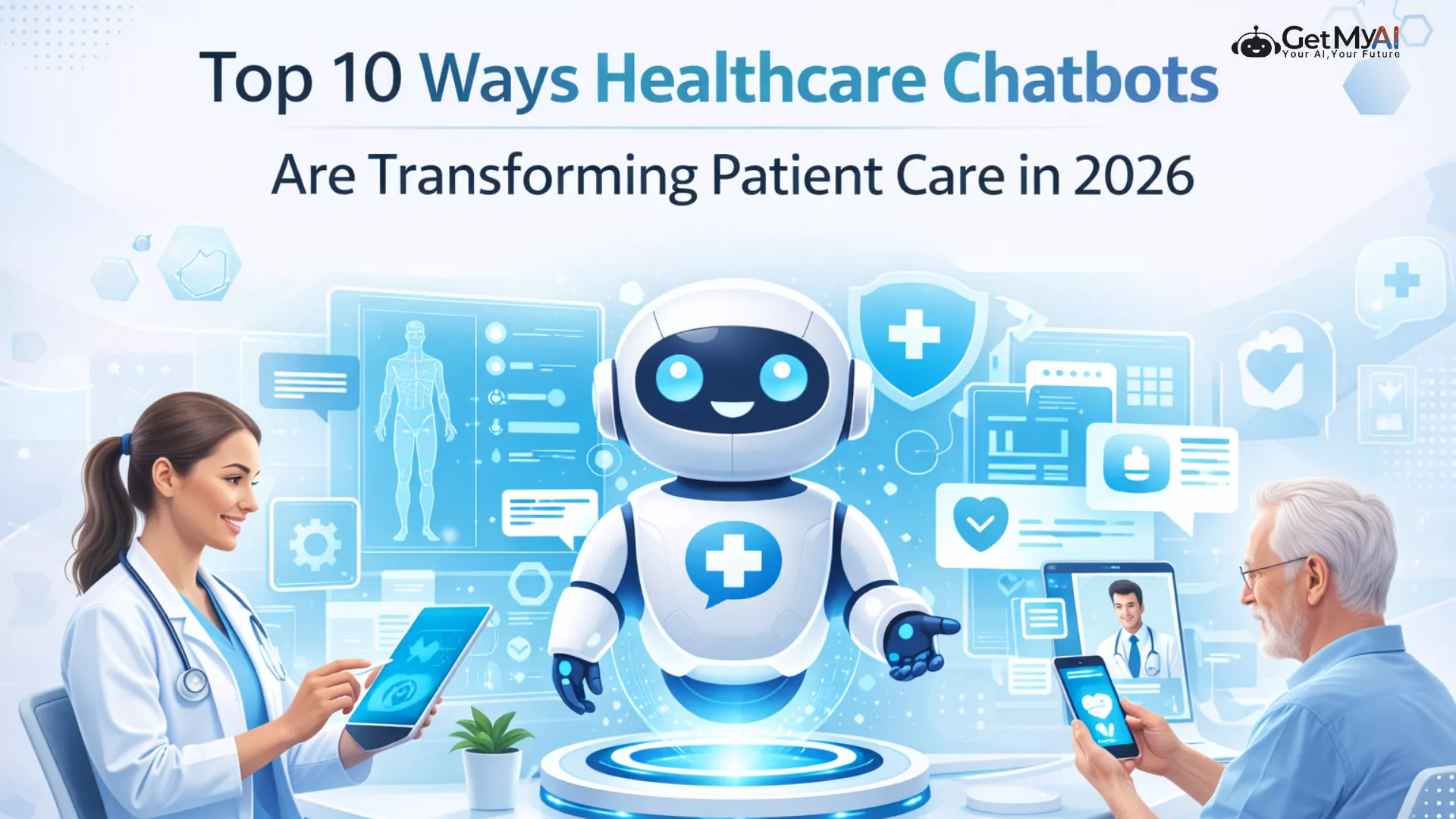
Top 10 Ways Healthcare Chatbots Are Transforming Patient Care in 2026
getmyai
Mar 6, 2026
chatbots in healthcare
chatbot in healthcare
AI chatbot technology in healthcare
ai chatbots in healthcare
Key Takeaways
Healthcare AI Chatbots help hospitals manage growing patient demand while reducing the workload on doctors and staff.
Modern AI chatbot technology in healthcare supports triage, scheduling, follow-up care, and patient education.
Patient care chatbots and Medical virtual assistants provide quick responses, which improve AI patient engagement and patient satisfaction.
Automate routine tasks such as appointment scheduling and patient communication.
HIPAA-compliant chatbots are important to protect patient data and maintain trust.
When deployed correctly, chatbots in healthcare improve access to care, reduce administrative burden, and help hospitals deliver faster support to patients.
Healthcare is changing fast. Hospitals have more patients than before. At the same time, there are not enough doctors and nurses.
The Association of American Medical Colleges (AAMC) says the United States could face a shortage of up to 104,900 doctors by 2030. This makes it harder for hospitals and clinics to serve patients quickly. There is another problem. A big part of a healthcare worker’s day is spent on paperwork and system tasks. Research published in Health Affairs Scholar shows administrative work takes about 25 percent of healthcare spending in the United States.
Because of this, hospitals are adopting AI chatbots to support patients and assist healthcare staff. These tools are not simple chat windows anymore. Modern AI healthcare chatbots can answer patient questions, guide triage decisions, schedule visits, and support doctors and nurses.
Today, hospitals use Patient care chatbots, Healthcare AI assistants, and Medical virtual assistants to support patient care and lower the daily workload for hospital staff.
Core Challenges of Using Chatbots in Healthcare
Even though AI chatbots in healthcare provide many benefits, hospitals must manage several challenges. Healthcare organizations must ensure patient safety, protect sensitive medical data, and maintain trust when using chatbot systems. Care teams also need proper monitoring, clear workflows, and reliable technology so chatbots support medical staff without creating confusion or risk.
Patient trust
Patients need to feel secure when using AI chatbots. If people do not trust the system, they may avoid sharing symptoms or private health information. Hospitals should explain how the chatbot works and when a doctor takes over. Clear escalation steps help patients understand that medical professionals are ready to help.
AI accuracy
Accuracy is very important when using AI chatbots in healthcare industry. Sometimes AI systems can generate wrong or confusing answers. To prevent this, hospitals should train chatbots with trusted medical knowledge and verified guidelines. Human review also helps. Doctors and nurses should monitor chatbot responses so patients receive correct information and safe guidance.
Data security
Health data must always stay private. When hospitals use AI chatbots, they must protect patient records and conversations. This is why many providers choose HIPAA-compliant chatbots with strong encryption and strict access control. Secure systems make sure only authorized healthcare staff can view patient information and chatbot interaction data.
System integration
Healthcare teams can deliver faster responses and better patient communication. A chatbot in healthcare must connect with hospital systems like:
Electronic health records
Scheduling platforms
Telehealth services
When these issues are handled the right way, the AI chatbot's benefits for hospitals and clinics become easier to see. Hospitals can improve patient support, reduce staff workload, and deliver faster help through reliable AI chatbot systems.
Why AI Chatbots in Healthcare Are Becoming Essential?
Healthcare providers must answer patient questions quickly while managing more requests every day. To keep up with this demand, many hospitals are using AI chatbots. These AI chatbots give patients fast answers, help schedule visits, and improve patient engagement without long phone wait times.
1. AI-Powered Clinical Triage and Symptom Assessment
Healthcare chatbots are becoming the digital front door for patient care. Patients share symptoms through a chat interface, and the chatbot checks how serious the issue may be before guiding them to the right medical service.
Hospitals using triage chatbots have reported 30% faster triage speeds and a 40% reduction in call center volume.
Clinical AI systems also show impressive accuracy. In clinical evaluations, AI triage tools achieved 100% sensitivity for identifying high-acuity emergency cases and 85.6% agreement with expert physicians.
This allows healthcare systems to quickly identify severe conditions like sepsis or respiratory distress while reducing unnecessary ER visits.
2. Automated Post-Discharge Follow-Ups
Hospital discharge is one of the most vulnerable moments in the patient's journey. AI voice agents now conduct automated follow-up calls after discharge, checking medication adherence and monitoring symptoms.
Hospitals that use these AI systems report up to a 25% decrease in hospital readmissions. Patients gave automated follow-up calls a satisfaction score of 9 out of 10. The systems remind patients about follow-up visits, recovery instructions, and medication times. This keeps care teams in touch with patients during the important days after leaving the hospital.
3. Intelligent Appointment Scheduling and No-Show Reduction
Healthcare scheduling is often inefficient. Patients frequently miss appointments because they cannot easily reschedule or contact the clinic when they need help with their booking.
Conversational AI agents now manage appointment booking, insurance verification, and waitlists automatically, helping clinics respond faster while reducing front desk workload and delays.
Healthcare providers using chatbot scheduling systems have achieved:
37% reduction in no-show rates
52% fewer staff phone calls
Check-in wait times reduced from 18 minutes to 4 minutes
Across the US healthcare system, reducing missed appointments could save up to $150 billion every year by improving clinic workflow and helping hospitals fill open appointment slots that would otherwise go unused.
4. Chronic Disease Monitoring and Coaching
AI chatbots are helping patients manage chronic diseases like diabetes and hypertension through continuous digital engagement, giving patients consistent support outside regular doctor visits.
Instead of relying solely on periodic clinic visits, patients receive daily guidance and reminders through conversational AI.
Clinical trials show that 31.7% of patients in AI-led diabetes prevention programs met CDC risk-reduction benchmarks, nearly identical to results achieved by human coaches in structured lifestyle intervention programs.
Integration with wearable devices also allows chatbots to monitor health data and provide personalized advice in real time, helping patients watch their health trends and make better daily care decisions.
5. Expanding Access to Mental Health Support
Mental health care continues to be one of the most underserved areas in healthcare, with many patients forced to wait weeks or even months before receiving professional help.
AI mental health chatbots now offer evidence-based methods like cognitive behavioral therapy exercises and mindfulness training, allowing patients to receive fast and simple mental health support without waiting for an appointment.
Clinical studies show impressive outcomes:
51% reduction in depression symptoms
31% reduction in anxiety symptoms
3x higher engagement compared to traditional phone check-ins
Many patients, particularly younger adults, prefer the anonymity and availability of AI-based mental health tools.
6. Multilingual Support and Healthcare Access
Language barriers are a major cause of misdiagnosis and poor treatment outcomes in the US healthcare system, especially when patients cannot clearly describe symptoms or medical history during doctor visits.
Healthcare chatbots now provide real-time multilingual patient communication, enabling patients to interact in their native language while automatically translating summaries for clinicians and improving clarity during patient consultations.
These systems remove the 15–30 minute wait usually needed to reach human interpreters while improving health literacy for diverse populations and enabling quicker communication between patients and healthcare teams.
7. Medical Coding and Revenue Cycle Automation
Healthcare administration is one of the largest cost centers in the industry, with hospitals spending significant time and resources managing paperwork, billing tasks, and insurance processing.
AI chatbots and machine learning systems are now automating parts of medical billing and coding workflows, helping healthcare staff process claims faster and reduce manual administrative work.
Research from Mayo Clinic found AI systems could:
Achieve 92% accuracy for complex emergency department billing codes
Automate 57% of clinical charts with 99% precision
This dramatically reduces administrative workload and accelerates reimbursement cycles.
8. Faster Clinical Trial Recruitment
Recruiting patients for clinical trials is one of the biggest bottlenecks in drug development, often delaying research timelines and slowing the introduction of new treatments.
Healthcare chatbots embedded in patient portals now analyze medical histories and recommend relevant trials, helping eligible patients discover studies they may qualify for.
These systems also manage enrollment paperwork and medication reminders.
Clinical trials that use chatbot engagement tools have reduced participant no-show rates by 25–35%, helping research teams keep trials on schedule and improve consistency in how participants take part in studies.
9. Pharmacy Support and Medication Adherence
Pharmacists are increasingly using AI chatbots to assist with medication counseling and adherence monitoring, helping patients understand prescriptions and follow treatment instructions correctly.
By 2026, 41% of pharmacists report using generative AI weekly for patient support and medication management tasks, showing how digital tools are becoming common in pharmacy workflows.
Chatbots can answer medication questions, schedule vaccinations, and remind patients about prescriptions, reducing missed doses and improving treatment outcomes while supporting pharmacists in daily patient communication tasks.
10. Population Health Monitoring and Preventive Care
Healthcare chatbots are also transforming population health management. Predictive AI systems analyze patient records to identify individuals at risk of hospitalization and proactively intervene, allowing care teams to support patients before conditions become severe.
For example, Geisinger Health System used predictive AI to identify high-risk patients and initiate preventive outreach, leading to a 10% reduction in avoidable emergency department visits and hospital admissions while improving care coordination.
This shift toward proactive care improves long-term health outcomes while lowering overall healthcare costs and helping healthcare providers focus on prevention instead of emergency treatment.
Impact of AI Chatbots on Patient Satisfaction
One of the most visible benefits of chatbots in healthcare is higher patient satisfaction. Patients do not have to stay on hold or travel to a clinic for simple questions. Instead, real-time patient support bots give quick answers. These chatbot systems reply instantly, guide patients through common tasks, and help people find the right information without waiting.
Healthcare organizations report several improvements with AI patient engagement systems:
Faster response time Patients receive responses in seconds through chat interfaces. This instant AI chatbot help lets people review symptoms, read health information, and continue their care journey without waiting for hospital staff.
Easier appointment booking Patients can schedule visits directly through chatbot conversations. The system checks available time slots and confirms bookings quickly, which reduces the need for phone calls.
Better follow-up care Chatbots send reminders, recovery instructions, and simple health checks after visits. This keeps patients connected with their care plan and helps them stay on track.
Reduced patient frustration When patients receive quick responses and simple guidance, they feel less stressed. Chatbot conversations make healthcare communication easier and more convenient.
These improvements show the real impact of AI chatbots on patient satisfaction. When patients ask health questions and receive quick chatbot answers, hospitals provide faster digital support that helps patients feel informed, supported, and better connected with their care teams.
How Healthcare Providers Can Deploy AI Chatbots with GetMyAI
Healthcare organizations that want to deploy HIPAA-compliant chatbots need platforms built for healthcare workflows. GetMyAI helps hospitals and clinics launch conversational AI systems safely.
Healthcare teams can use GetMyAI to build chatbots in healthcare that:
Answer patient questions on hospital websites
Provide online consultation through a chatbot
Guide triage and symptom screening
Automate appointment scheduling
Support multilingual communication
These Healthcare AI assistants can also send difficult questions to human medical staff when needed. This helps patients receive correct information while doctors still guide final care decisions. With GetMyAI, hospitals can improve patient communication automation in healthcare and keep patient data protected.
Conclusion
Healthcare systems face strong pressure from more patients and fewer available staff. To handle this situation, hospitals are using AI chatbot technology in healthcare. Today, chatbots in healthcare support triage steps, send follow-up messages, manage scheduling, assist chronic care patients, and provide simple patient education.
They also support doctors and nurses by reducing administrative workload. From Patient care chatbots to Healthcare AI assistants, these tools are changing how modern medicine works. As technology improves, AI chatbots in healthcare will play a bigger role in delivering fast, easy, and more personalized patient care.
In the coming years, healthcare providers will continue expanding the use of chatbot systems for patient communication and support. Many hospitals will soon rely on Medical virtual assistants and smart chat systems to support patients, respond to routine questions, and assist healthcare staff. With better AI patient engagement tools, healthcare organizations can expand patient access while improving workflow efficiency in clinics and hospitals.
FAQ
1. What are the biggest challenges of using chatbots in healthcare?
The biggest challenges include patient trust, AI accuracy, system integration, and data security. Hospitals must deploy HIPAA-compliant chatbots and maintain human oversight.
2. Are healthcare chatbots accurate and safe?
Modern, well-trained healthcare chatbots are designed with medical guidelines and safety protocols. Many systems also escalate complex questions to clinicians.
3. How do healthcare chatbots enhance patient engagement?
AI patient engagement tools provide instant responses, reminders, follow-ups, and health education. This improves communication between patients and healthcare providers.
4. What is the future of chatbots in healthcare?
Experts expect AI chatbot technology in healthcare to expand into predictive care, remote monitoring, and personalized treatment guidance.
Interview scheduling is no longer a coordination task managed through emails and manual follow-ups. It has become an automated workflow where AI agents handle availability matching, booking, reminders, and rescheduling in real time. Instead of recruiters manag…
HR teams are dealing with continuous employee queries, hiring coordination, and internal support requests across multiple systems. An HR automation chatbot handles these tasks by answering questions instantly, managing scheduling, and reducing dependency …