Choosing an AI Chatbot Platform You Won’t Need to Replace in a Year

Choosing an AI chatbot platform often feels exciting at first. The demo looks smooth. The answers sound smart. Everyone in the room agrees it is the right move. The chatbot goes live, and early results look promising. Customers start chatting. Teams feel relieved. For a moment, it feels like a problem has been solved. But then time passes. Content changes. Products evolve. New questions show up. Slowly, the cracks appear. The chatbot starts giving old answers. It struggles with updates. Costs rise as usage grows. Fixes take longer than expected. Teams stop checking the bot because they no longer trust what it says.
Around six months in, a familiar feeling sets in. Many teams quietly call it the six-month itch. Nothing is fully broken, but nothing feels right either. The platform still works, yet it no longer fits. Conversations about improvement turn into conversations about replacement. Switching platforms suddenly feels easier than fixing the one you chose.
This blog is about avoiding that situation completely and choosing a platform built to last.
Why Chatbot Replacement Is So Expensive
Replacing a chatbot is never just swapping software. It affects people, time, and money. Teams must retrain. Old flows break. Documents get uploaded again. Integrations need fixing. Trust has to be rebuilt. By early 2026, 85 percent of businesses expect to use AI chatbots by 2027, which shows one thing clearly. Chatbots are no longer tests or side projects. They are part of core operations.
That shift changes the risk. Enterprise chatbot projects now cost $25,000 to $85,000 or more. Replacing one within a year means losing that investment and starting over. Migration work alone can take 45 days or longer, especially when custom integrations are involved. This slows teams down and drains momentum.
That is not progress. That is rework. So the real question changes. You stop asking which chatbot sounds smartest.
You start asking which AI chatbot platform will still work when your business grows, changes, and scales.
The Market Is Proving One Thing Very Clearly
Big names do not guarantee long-term fit. The market itself is showing this shift. In January 2026, ChatGPT’s market share dropped from 87 percent to 68 percent, while Google Gemini rose to 18.2 percent. That change sends a clear signal to buyers. The future favors platforms that can adapt, change direction, and stay flexible as models and needs evolve.
What this shift clearly tells decision makers:
- Market leaders can change fast
- Model popularity is not permanent
- Lock-in increases long-term risk
- Flexibility protects your investment
- Adaptable platforms last longer
The best AI chatbot software is not built around one model or one team. It is designed to adjust without forcing a rebuild.
The Real Cost of Getting It Right
When chatbot projects succeed, the results are strong and measurable. Many businesses report a 30 to 40 percent drop in customer support costs and an average ROI of 340 percent in the first year. Response times improve. Customer satisfaction rises. But success now comes with a higher bar.
Now, the industry has moved toward a Zero-Hallucination expectation. Only 15 percent of platforms meet it today. If a chatbot guesses instead of knowing, teams lose trust. And when trust fades, replacement becomes inevitable.
The Shift Most Buyers Miss
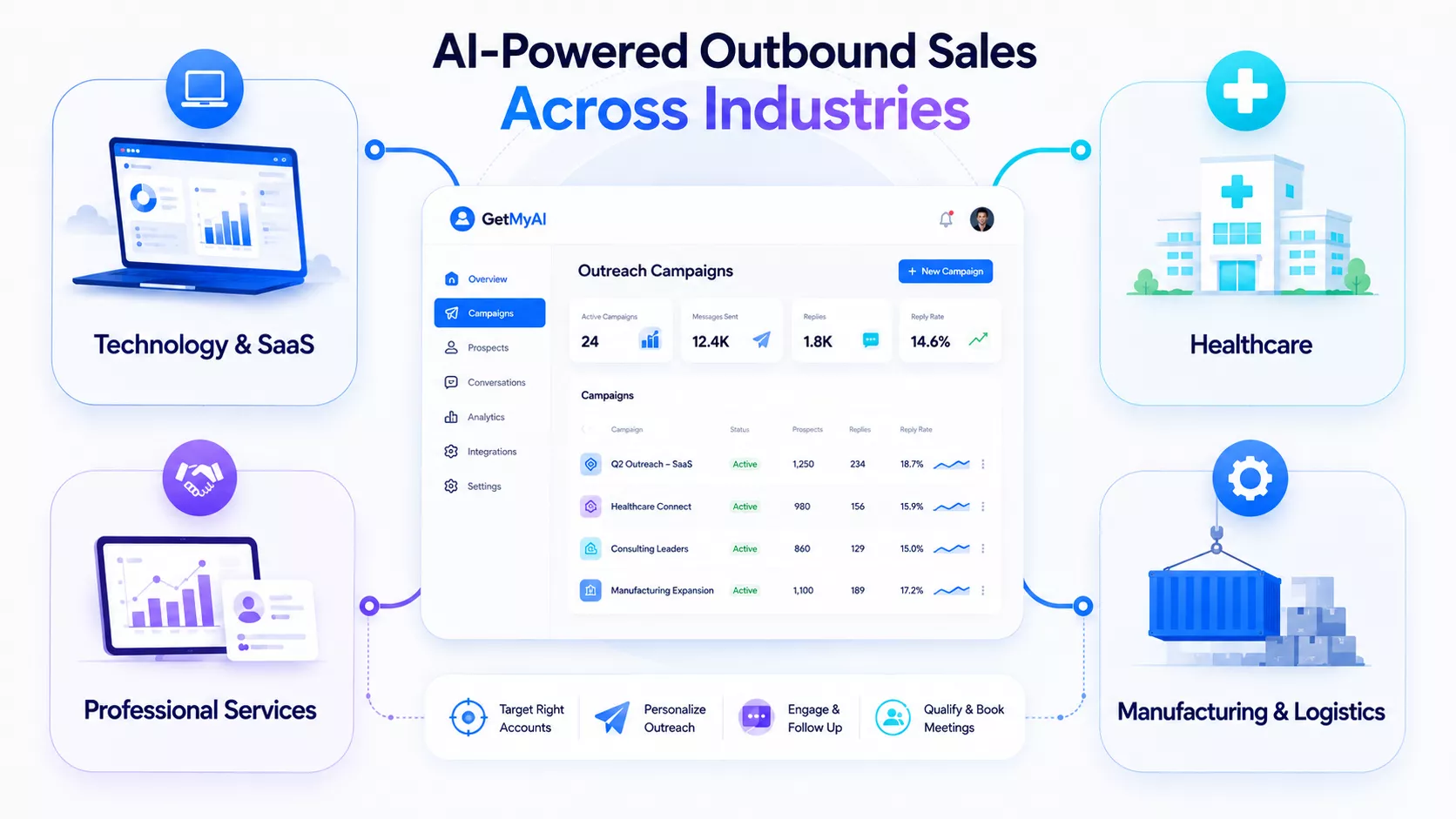
Choosing a chatbot today is not about how smart it sounds. It is about how well it fits into your systems. A bot that gives clever answers but cannot connect with your tools stays stuck in demo mode. A bot that integrates cleanly becomes part of daily work. Many teams focus on replies instead of structure. The platforms that last five years work quietly in the background. That is where GetMyAI stands apart.
How GetMyAI Is Built for the Long Run
We did not build GetMyAI to be a novelty chatbot that looks good for a short time. We built it as a long-term AI chatbot solution that grows with your organization. From day one, we assume change will happen. Content will update. Teams will evolve. Usage will rise. Instead of resisting those shifts, our platform is designed to absorb them and keep working without forcing rebuilds or complex fixes.
What we plan for from the start:
- Your documents will change, and updates should be simple
- Your teams will grow, and control should stay clear
- Your conversations will scale, and performance should stay stable
At its core, GetMyAI is an AI chatbot platform focused on durability, not shortcuts. We believe tools should adapt to businesses, not the other way around. That belief shapes every decision we make, from training to improvement to daily use.
The Four Pillars of a Platform You Won’t Replace
Let’s break this down clearly.
1. Model Flexibility Without Rebuilds
The AI market changes fast. What’s best today might not be best tomorrow.
GetMyAI allows businesses to choose models based on their plan and needs, without exposing complexity. This protects you from betting everything on a single provider.
You are not rebuilding the bot every time the “brain” changes.
That flexibility alone extends the life of your platform by years.
2. Document-Driven Knowledge That Ages Well
Rule-based bots break when businesses change. Document-based systems age better.
GetMyAI relies on meaning-based retrieval from your documents, not fragile rules or keyword tricks. When policies change, you update the file. When products change, you upload new content.
No flows to redesign. No logic trees to untangle. This is why it works as an AI chatbot for business environments that move fast.
3. Improvement Without Technical Friction
Most platforms fail quietly because no one fixes them.
GetMyAI surfaces unanswered questions inside the Dashboard through Activity. Teams can add Q&A, update documents, and improve accuracy without code.
The system assumes it will be wrong sometimes. And it makes fixing easy. That is how systems survive long-term use.
4. Visibility Before Analytics
Many tools jump straight to dashboards and charts. GetMyAI prioritizes conversation review first.
Teams see real interactions.
- They see confusion.
- They see gaps.
Analytics then confirm patterns. This approach is critical for any scalable AI chatbot platform. You fix problems before they grow. This is where most buyers get clarity.
Below is a practical comparison of short-term tools versus long-term platforms.
| Evaluation Area | Short-Term Chatbots | Built-to-Last Platforms |
| Knowledge Updates | Manual rebuilds | Simple document updates |
| Scaling Costs | Increase unpredictably | Controlled by plan limits |
| Error Handling | Hidden or ignored | Visible in Activity |
| Team Ownership | Developer-dependent | Managed in Dashboard |
| Model Changes | Require migration | Supported by design |
| Longevity | 6–12 months | Multi-year use |
Deployment and Pricing Built to Grow With You
We believe a chatbot should not be limited to one place. Growth never stays in one lane, and tools should not either. That is why we designed GetMyAI to work wherever your customers and teams already are. A chatbot that only lives on one page or one channel will eventually slow you down. Our goal is to remove that risk from the start.
We support deployment across websites and WordPress, along with conversational channels like WhatsApp, Instagram, and Slack. We keep it simple on purpose.
- Same agent across every channel
- Same knowledge, always updated
- Same behavior, no matter where the chat starts
- One experience, not fragmented conversations
This consistency is critical when you are running an AI chatbot for growing businesses. As traffic increases and touchpoints expand, teams need reliability, not more tools to manage.
We also believe pricing should never punish success. Too many platforms start cheap and become unpredictable as usage grows. We designed our AI chatbot pricing plans to be clear from day one. Plans align with usage, models, and scale in ways teams can understand. When finance asks hard questions six months in, the answers are already there. Clarity builds confidence. Surprises lead to replacements.
Many chatbot projects fail for simple reasons. The setup is rushed. The process is unclear. Teams struggle to improve what they launch. Over time, small problems turn into big ones. Choosing the right platform early helps avoid that path. A strong AI chatbot platform should be easy to implement, simple to improve, and flexible enough to keep up as your business changes.
Making the Right Choice Before It Becomes Costly
A surprising number of chatbot failures start at setup. When implementation feels heavy, mistakes creep in early. GetMyAI simplifies AI chatbot implementation into a clear and repeatable flow that teams can follow without stress. There is no guesswork and no technical barrier slowing progress.
The process stays simple:
- Create the agent
- Train it using documents
- Customize behavior and appearance
- Deploy it
- Review Activity
- Improve accuracy using Q&A
No coding is required. There are no fragile dependencies to manage. There are no long onboarding cycles. This makes the platform practical for large teams and just as usable for teams launching their first serious chatbot.
What Industry Leaders Keep Saying
This shift is not theoretical. It is already happening. Garry Kasparov said it clearly: “AI won’t replace humans, but those who use AI will replace those who don’t.” The same logic applies to tools. Platforms that adapt replace platforms that do not. Christie Pitts from Verizon Ventures also noted that chatbots are now essential to digital transformation, not optional extras. That is why choosing the right enterprise AI chatbot platform matters.
The Question That Actually Matters
Instead of asking how smart a chatbot sounds today, ask whether it will still fit when your business looks different. GetMyAI is built on the belief that change is constant. It is designed for longevity, not demos, and for growth without replacement.
A Chatbot That Grows Up With Your Business
Most chatbot regret does not come from choosing the wrong tool at the start. It comes from choosing a platform that could not keep up as the business changed. Growth exposes limits. New content tests flexibility. Higher usage reveals weak foundations. GetMyAI is built with those moments in mind. It is designed to grow as your teams grow, adapt as your needs evolve, and stay reliable as volume increases. When you choose a chatbot that can mature alongside your business, replacement stops being a future concern and becomes a problem you never have to face.
FAQ
1. How do I choose the right AI chatbot platform for my business?
Choose an AI chatbot platform that offers accurate AI responses, document-based knowledge management, workflow automation, business integrations, analytics, security, and scalability. The right platform should support your business today while adapting to future growth without requiring a complete migration.
2. Why do businesses replace AI chatbot platforms within the first year?
Many businesses select a platform based on an impressive demo instead of long-term performance. As products, policies, and customer needs evolve, some chatbots become difficult to update, expensive to scale, or unable to integrate with business systems, leading organizations to replace them.
3. What features should a long-term AI chatbot platform include?
A reliable AI chatbot platform should provide:
- AI-powered conversations
- Document-based knowledge management
- CRM and business software integrations
- Workflow automation
- Human handoff
- Conversation analytics
- Role-based security
- Easy knowledge updates
- Multi-channel deployment
These capabilities help businesses maintain accurate, scalable customer experiences.
4. Why is document-based knowledge better than rule-based chatbots?
Document-based AI chatbots retrieve answers from your latest business content instead of relying on fixed decision trees. This makes it easier to update products, policies, and FAQs without rebuilding chatbot flows whenever your business changes.
5. Can an AI chatbot platform grow with my business?
Yes. A scalable AI chatbot platform supports increasing conversation volumes, multiple teams, additional integrations, and expanding knowledge bases. This allows businesses to continue using the same platform as their operations grow instead of migrating to a new solution.
6. Why are chatbot integrations important?
Integrations connect your AI chatbot with CRM systems, helpdesk software, calendars, websites, and other business applications. This enables the chatbot to access real-time information, automate workflows, and deliver more accurate, personalized customer support.
7. How can businesses keep their AI chatbot accurate over time?
Businesses should regularly update training documents, review customer conversations, monitor unanswered questions, and improve responses based on new products, services, or policies. Continuous optimization helps maintain chatbot accuracy and customer trust.
8. What are the hidden costs of replacing an AI chatbot platform?
Replacing a chatbot platform often involves rebuilding workflows, retraining AI models, reconnecting integrations, migrating knowledge bases, retraining employees, and managing operational downtime. Choosing a scalable platform from the beginning helps reduce these costs.
9. Which businesses benefit the most from an enterprise AI chatbot platform?
Enterprise AI chatbot platforms are valuable for ecommerce, SaaS, healthcare, banking, education, telecommunications, real estate, manufacturing, and professional services. Any organization managing large volumes of customer or employee interactions can improve efficiency through AI-powered automation.
10. What is the biggest mistake businesses make when selecting an AI chatbot platform?
The biggest mistake is evaluating only the chatbot's responses during a demo. Businesses should also assess long-term scalability, ease of knowledge updates, integrations, security, analytics, implementation, and ongoing maintenance to ensure the platform continues delivering value as the business grows.